Pros And Cons of Home Cooking: Delicious Savings or Time Drain?

Pros and Cons of Home Cooking: Home cooking can save money and ensure healthier meals. It requires time, effort, and culinary skills.
Home cooking offers numerous benefits and challenges. Preparing meals at home can lead to significant financial savings. It allows control over ingredients, making it easier to create nutritious dishes. Home-cooked meals can foster family bonding and enhance culinary skills. On the flip side, cooking at home demands time, effort, and planning.
Shopping for ingredients and meal preparation can be time-consuming. Not everyone enjoys or excels at cooking, which can make the process frustrating. Home cooking also requires a clean and organized kitchen, adding to household chores. Balancing these pros and cons helps in making informed decisions about home cooking.
Benefits Of Home Cooking
Home cooking offers many advantages. You can save money, eat healthier, and spend time with family. Let’s explore these benefits in detail.
Cost Savings
Cooking at home is cheaper than eating out. You control the portions and ingredients. Buying groceries in bulk also reduces costs.
Here is a simple comparison:
| Meal | Restaurant Cost | Home Cooking Cost |
|---|---|---|
| Pasta | $12 | $4 |
| Salad | $8 | $2 |
Healthier Meals
Home-cooked meals are healthier. You can use fresh ingredients. You avoid added sugars and fats.
- Fresh vegetables and fruits
- Lean meats and fish
- Whole grains
You also control the cooking methods. Steaming, baking, and grilling are healthier than frying.
Family Bonding
Cooking together strengthens family bonds. It is a fun and educational activity. Kids learn valuable skills and traditions.
- Plan meals together
- Shop for ingredients
- Cook and enjoy the meal
Sharing a meal brings everyone closer. It creates lasting memories and traditions.
Financial Impact
Home cooking can change how you spend money. It has both benefits and drawbacks. Let’s explore the financial impact of home cooking.
Grocery Expenses
Buying groceries is necessary for home cooking. Fresh produce, meats, and pantry items add up. The initial cost might seem high, but it often lasts longer. Here’s a breakdown of weekly grocery costs:
| Item | Cost |
|---|---|
| Fruits and Vegetables | $20 |
| Meat and Seafood | $30 |
| Dairy | $10 |
| Pantry Staples | $15 |
Bulk buying can reduce costs. Look for sales and discounts. Use a shopping list to avoid unnecessary items.
Dining Out Costs
Eating out can be expensive. A single meal at a restaurant costs more than a home-cooked meal. Here’s a comparison:
- Home-cooked meal: $5 - $10 per person
- Restaurant meal: $15 - $30 per person
Dining out often leads to higher expenses. Cooking at home saves money over time.
Budgeting Tips
Budgeting helps manage grocery expenses. Here are some tips:
- Plan your meals for the week.
- Make a shopping list and stick to it.
- Buy in bulk when items are on sale.
- Use coupons and loyalty programs.
- Cook in batches and freeze meals.
These tips help in saving money and reducing waste. A budget-friendly approach makes home cooking more economical.
Health And Nutrition
Home cooking offers numerous benefits, especially in terms of health and nutrition. By preparing meals at home, you have complete control over what goes into your dishes. This can significantly impact your overall well-being. Let's explore the pros and cons of home cooking through the lens of health and nutrition.
Control Over Ingredients
One of the biggest advantages of home cooking is the control over ingredients. You can choose fresh, organic produce and avoid harmful additives.
- Use fresh vegetables and fruits.
- Avoid artificial preservatives and chemicals.
- Select lean proteins and whole grains.
But sometimes, sourcing high-quality ingredients can be time-consuming and expensive. Not everyone has easy access to fresh, organic produce.
Portion Sizes
Home cooking allows you to manage portion sizes. You can serve just the right amount of food, avoiding overeating.
| Benefit | Details |
|---|---|
| Portion Control | Manage the amount of food you eat. |
| Healthier Eating | Reduce the risk of obesity. |
Yet, some people might struggle with portion control, leading to either overeating or undereating.
Nutritional Balance
Home cooking helps you achieve a nutritional balance in your diet. You can include a variety of food groups to ensure a balanced intake of nutrients.
- Include proteins, fats, and carbohydrates.
- Add vitamins and minerals from different food groups.
- Ensure a mix of colors and textures in your meals.
However, without proper knowledge, it can be easy to miss out on essential nutrients. Some might lack the skills to create nutritionally balanced meals.
Time Commitment
Home cooking has many benefits, but it requires time. Understanding the time commitment helps you decide if home cooking fits your lifestyle. Let's explore the different aspects of time involved in home cooking.
Meal Planning
Meal planning is crucial for home cooking. Planning meals can save time and reduce stress. Yet, it needs dedication.
- Pros: Saves time during the week, ensures balanced meals.
- Cons: Initial planning can be time-consuming.
Use a weekly planner to organize meals. This helps streamline grocery shopping and avoid last-minute decisions.
Preparation Time
Preparation time is the time spent getting ingredients ready. It includes washing, chopping, and measuring.
| Pros | Cons |
|---|---|
| Fresh ingredients, control over quality. | It can be tedious and requires patience. |
Set aside specific times for prep work. Prepping ahead can make cooking more enjoyable.
Cooking Efficiency
Cooking efficiency refers to the actual cooking process. Efficient cooking saves time and energy.
- Pros: Can be faster than dining out, and healthier meals.
- Cons: Requires skill and practice, potential for mistakes.
Use techniques like batch cooking or one-pot meals. These methods help improve efficiency and save time.
Skill Development
Home cooking offers an excellent opportunity for skill development. Through regular cooking, individuals can enhance various abilities. This section explores the benefits of skill development in home cooking.
Culinary Skills
Developing culinary skills is a key advantage of home cooking. Regular cooking helps in mastering basic techniques. Skills like chopping, sautéing, and baking improve with practice.
Home cooks can learn to handle different ingredients. This includes understanding their flavors and textures. Over time, they become more confident in the kitchen.
Recipe Experimentation
Home cooking encourages recipe experimentation. Trying new recipes can be exciting and educational. It allows cooks to explore different cuisines and flavors.
Experimentation helps in discovering personal preferences. It also leads to the creation of unique dishes. This creative process is both fun and enriching.
Problem-solving
Home cooking enhances problem-solving skills. Cooking often involves unexpected challenges. Ingredients may be missing, or the dish might not turn out as planned.
Cooks learn to adapt and find solutions. This could mean substituting ingredients or adjusting cooking times. Overcoming these obstacles builds resilience and creativity.
:max_bytes(150000):strip_icc()/brava-oven-ft-blog0319-6673e736439c4edda37c1899bfbe5597.jpg)
Social And Emotional Benefits
Home cooking has a range of social and emotional benefits. Cooking at home can strengthen family bonds, relieve stress, and provide a creative outlet. Each of these benefits contributes to a healthier and happier lifestyle.
Family Interaction
Home cooking encourages family interaction. Everyone can participate in meal preparation. This creates special moments and memories. Cooking together allows family members to talk and share stories. These conversations can help build stronger relationships. It also teaches children valuable life skills.
Stress Relief
Cooking at home can be a great way to reduce stress. The process of preparing a meal can be meditative. It allows you to focus on the task at hand. This can help take your mind off worries. The smell of delicious food cooking can also improve your mood.
| Activity | Benefit |
|---|---|
| Chopping vegetables | Calms the mind |
| Mixing ingredients | Relieves tension |
| Following a recipe | Improves focus |
Creative Outlet
Home cooking offers a wonderful creative outlet. You can experiment with different ingredients. You can try new recipes and techniques. This can be a fun and rewarding experience. Cooking allows you to express yourself through food. You can create dishes that reflect your personality and taste.
- Experiment with flavors
- Customize recipes to your liking
- Try new cooking methods
These creative activities can boost your confidence. They can also make meal times more exciting and enjoyable.
Challenges Of Home Cooking
Home cooking has many benefits. Yet, it comes with its own set of challenges. These can make the cooking experience less enjoyable. Let's explore some common issues faced by home cooks.
Time Constraints
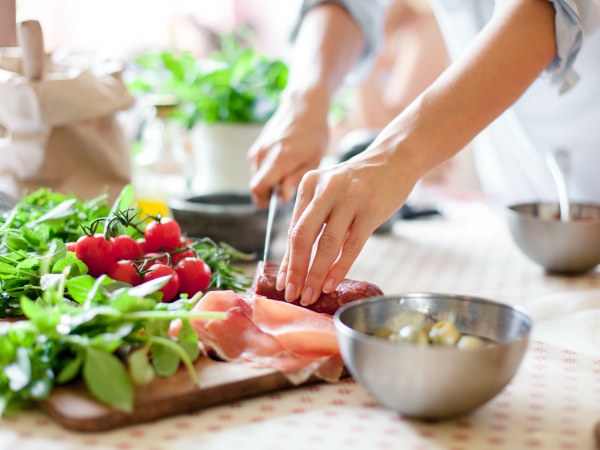
Cooking at home can be time-consuming. Preparing meals involves several steps. First, you need to plan the menu. Then, you have to gather all the ingredients. Cooking itself takes time, especially for complex recipes. Finally, there's the clean-up. This can be a lot for someone with a busy schedule.
Grocery Shopping
Getting the right ingredients can be tricky. Grocery shopping requires planning and effort. You need to make a list of everything you need. Sometimes, ingredients are not available. This means visiting multiple stores. Shopping can also be expensive. Fresh and organic items often cost more.
Cleaning Up
After cooking, there's always a mess. Cleaning up is one of the least favorite tasks. You need to wash pots, pans, and dishes. The kitchen counters and floors need cleaning. This adds to the time spent on home cooking. Many find this part very tiring.
Balancing Act
Home cooking offers numerous benefits, such as healthier meals and cost savings. Yet, it often requires a delicate balancing act to manage time and resources effectively. This section delves into the art of balancing home cooking with a busy lifestyle, focusing on time management, meal prep strategies, and utilizing leftovers.
Time Management
Managing time efficiently is crucial for successful home cooking. A busy lifestyle demands effective time management skills. Here are a few tips:
- Create a weekly meal plan. This saves time and reduces stress.
- Set aside specific times for grocery shopping. Stick to your schedule.
- Use a timer to keep track of cooking tasks. This ensures nothing gets overcooked.
Meal Prep Strategies
Meal prep can save valuable time during the week. Consider these strategies:
- Batch Cooking: Cook large quantities of food and store them.
- Chop Ahead: Prepare vegetables in advance. Store them in airtight containers.
- Freezing: Freeze pre-cooked meals for quick future use.
These strategies help streamline the cooking process.
Utilizing Leftovers
Using leftovers effectively can minimize waste and save time. Here are some ideas:
- Repurpose Leftovers: Turn last night's dinner into a new dish.
- Store Properly: Use airtight containers to keep food fresh.
- Label and Date: Always label and date leftovers. This helps track freshness.
Properly utilizing leftovers maximizes resources and reduces waste.
Frequently Asked Questions
What Are The Disadvantages Of Home Food?
Home food can be time-consuming to prepare and may lack variety. It might also lead to overconsumption of certain ingredients.
What Are The Pros And Cons Of A Cook?
Pros: Cooks create delicious meals, enhance culinary skills, and provide job satisfaction. Cons: Long hours, physical strain, and high stress levels.
Is Cooking At Home Actually Healthier?
Yes, cooking at home is generally healthier. You control ingredients, avoid excess additives, and manage portion sizes. Home-cooked meals often include fresh, whole foods, leading to better nutrition. Eating at home can reduce calorie intake and promote healthier eating habits.
What Are the Benefits of Home Food?
Home cooking offers healthier meals, saves money, and allows control over ingredients. It promotes family bonding and reduces processed food intake.
Conclusion
Home cooking offers many benefits, including healthier meals and cost savings. Yet, it also requires time and effort. Balancing these pros and cons can help you decide if home cooking suits your lifestyle. Embrace the joy of cooking and make informed choices for your well-being.
Subscribe to our LinkedIn Newsletter or Visit our Website
The Next-Gen Robot Vacuum Cleaners: Roborock Saros 10 & Saros 10R
Daily Life Game Changers List Below:

Similar Posts