How to Get a Home Kitchen License in Illinois: Step-by-Step Guide
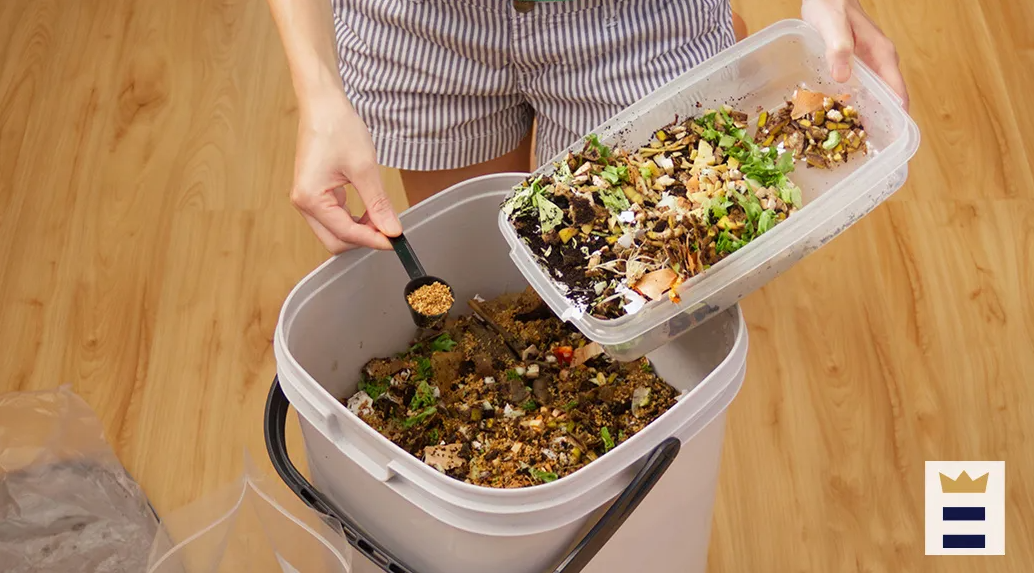
To get a home kitchen license in Illinois, apply through your local health department. Ensure your kitchen meets state health and safety standards.
Starting a home-based food business in Illinois requires meeting specific regulations. The Illinois Cottage Food Law allows individuals to produce and sell certain low-risk foods from their homes. This law aims to support small businesses while maintaining public health standards.
To obtain a home kitchen license, you must follow guidelines set by your local health department. This includes a thorough inspection of your kitchen to ensure it meets all health and safety requirements. Additionally, you need to complete a food safety course. Meeting these requirements ensures your home kitchen is licensed to operate legally and safely.
Eligibility Criteria
To get a home kitchen license in Illinois, you must meet specific eligibility criteria. Understanding who can apply and the basic requirements is essential. Let's break down these criteria to help you navigate the process smoothly.
Who Can Apply?
Not everyone can apply for a home kitchen license in Illinois. To be eligible, you must:
- Be at least 18 years old.
- Own or rent the home where the kitchen is located.
- Do not operate a commercial food establishment.
Meeting these conditions ensures that only eligible individuals can apply for the license.
Basic Requirements
Before you apply, ensure you meet the following basic requirements:
| Requirement | Details |
|---|---|
| Sanitation | Your kitchen must meet local health and sanitation standards. |
| Storage | Ingredients and equipment should be stored safely and separately from household items. |
| Inspection | Your home kitchen will need to pass a health inspection. |
| Labeling | All products must be correctly labeled with ingredients and allergens. |
Ensure your kitchen meets these standards to avoid any application issues.
Meeting the eligibility criteria is the first step to obtaining your home kitchen license in Illinois. Make sure you meet all the requirements to move forward smoothly.
Initial Preparations
Starting a home kitchen business in Illinois requires careful planning. The first steps involve setting up your kitchen and gathering the necessary equipment. These preparations ensure you meet health and safety standards.
Kitchen Setup
Your kitchen layout must be clean and organized. This helps you maintain hygiene. Create separate areas for preparation, cooking, and storage. Use non-toxic materials for countertops and shelves. Ensure there is enough lighting and ventilation.
Follow these steps to set up your kitchen:
- Install a handwashing sink with hot and cold water.
- Ensure the kitchen has a three-compartment sink for washing, rinsing, and sanitizing.
- Set up a dry storage area for non-perishable items.
- Use food-safe containers for ingredient storage.
- Designate a separate area for cleaning supplies.
Necessary Equipment
Having the right equipment is crucial for your home kitchen. This ensures you can handle all cooking tasks efficiently.
Here's a list of essential equipment:
| Equipment | Purpose |
|---|---|
| Commercial-grade stove | For cooking and baking. |
| Refrigerator | To store perishable items. |
| Freezer | For long-term storage. |
| Food processor | For chopping and blending. |
| Mixing bowls | For mixing ingredients. |
| Measuring cups and spoons | To measure ingredients accurately. |
| Cutting boards | For chopping vegetables and meat. |
Invest in high-quality utensils and appliances. This ensures your kitchen runs smoothly and meets safety standards.
Health And Safety Standards
Securing a home kitchen license in Illinois requires adhering to specific health and safety standards. These standards ensure that your kitchen is clean and your food is safe for consumption. Let's explore some key areas to focus on.
Sanitation Guidelines
Your kitchen must be spotless. Cleanliness is crucial to avoid contamination. Follow these basic sanitation guidelines:
- Wash your hands with soap before handling food.
- Clean all surfaces and utensils with hot, soapy water.
- Sanitize countertops, cutting boards, and appliances after each use.
- Keep raw meats separate from other foods.
- Ensure your kitchen has proper ventilation.
Food Handling Practices
Proper food handling practices are essential. They reduce the risk of foodborne illnesses. Here are some crucial food handling practices:
- Use separate cutting boards for meat and vegetables.
- Cook food to the right temperature. Use a food thermometer.
- Store food at safe temperatures. Refrigerate perishables within two hours.
- Label and date all stored food items.
- Avoid cross-contamination by using clean utensils.
Paying attention to these health and safety standards ensures your kitchen meets Illinois regulations. It also keeps your food safe for your customers.

Application Process
To get a home kitchen license in Illinois, follow a few steps. You need to gather the required documents and submit them properly. This guide will help you understand each part of the process.
Required Documents
Before applying, prepare all necessary documents. Missing papers can delay your application.
| Document | Description |
|---|---|
| Application Form | Fill out the Illinois home kitchen license application form. |
| Proof of Residency | Provide a utility bill or lease agreement. |
| Food Safety Certificate | Complete a food safety course and get the certificate. |
| Kitchen Floor Plan | Draw and submit a simple layout of your kitchen. |
Submission Procedures
Once you have all documents ready, follow these steps to submit:
- Review your documents to ensure everything is complete.
- Visit the local health department or its website.
- Submit your application along with the documents.
- Pay the application fee as required.
- Wait for approval and follow up if needed.
Once approved, you can start operating your home kitchen legally.
Inspection Process
Getting a home kitchen license in Illinois involves several steps. One crucial step is the inspection process. This ensures your kitchen meets all health and safety standards. Here, we break down what you need to know.
Scheduling The Inspection
First, you need to schedule your kitchen inspection. Contact the local health department to set a date. Make sure to choose a time when you can be present.
It's important to prepare your kitchen before the inspection. Clean all surfaces and equipment. Ensure that all food storage areas are organized.
What To Expect
During the inspection, an officer will check various aspects of your kitchen. Here's what they will look at:
- Cleanliness of the kitchen
- Proper storage of food
- Temperature control of refrigerators and freezers
- Sanitation of cooking equipment
- Presence of pests
Make sure to have a thermometer to check food temperatures. Also, keep your cleaning supplies in an accessible place.
Inspection results will be shared with you. If any issues are found, you will need to fix them. Once you pass the inspection, you are closer to getting your home kitchen license.
Post-approval Steps
Once you get your home kitchen license in Illinois, it's time to focus on the next steps. These steps ensure your business remains compliant and successful. Let's dive into maintaining compliance and the renewal process.
Maintaining Compliance
After approval, it's essential to maintain compliance. Follow these steps:
- Regular Cleaning: Keep your kitchen clean and sanitized.
- Food Safety: Always follow food safety guidelines.
- Record Keeping: Keep detailed records of all transactions.
- Labeling: Properly label all your products with ingredients and expiration dates.
Regular inspections may occur. Be prepared and organized.
Renewal Process
Renew your license annually. Here's how:
- Complete the renewal application form.
- Pay the renewal fee.
- Submit any required documents.
- Pass any necessary inspections.
Staying on top of the renewal process keeps your business running smoothly.
Common Challenges
Getting a home kitchen license in Illinois can be difficult. Many face common challenges during this process. Knowing these challenges can help you overcome them.
Overcoming Obstacles
One major challenge is understanding local regulations. Each county may have different rules. It is crucial to know the specific requirements in your area.
Another obstacle is meeting health standards. Your kitchen must pass health inspections. This can be stressful if your kitchen does not meet the required standards. Make sure to keep your kitchen clean and well-maintained.
Completing all the necessary paperwork can also be daunting. Missing documents can delay your application. Create a checklist to ensure you submit everything needed.
Seeking Professional Help
Sometimes, it is best to seek professional help. Hiring a consultant can save you time. They can guide you through the licensing process.
Professional help can also assist with kitchen inspections. Consultants know what inspectors look for. They can help you prepare your kitchen for inspection.
Additionally, consider joining local business groups. Networking with other home kitchen owners can provide valuable insights. They can share their experiences and tips.

Frequently Asked Questions
How Much Is A Home Kitchen License In Illinois?
A home kitchen license in Illinois costs $50. The fee may vary by county. Check with local health departments for specifics.
What License Do I Need To Sell Food In Illinois?
To sell food in Illinois, you need a Retail Food Establishment License. Contact your local health department for specific requirements.
What Is The Cupcake Law In Illinois?
The cupcake law in Illinois allows home bakers to sell homemade baked goods without a commercial kitchen. It requires registration and adherence to local health department regulations.
Can You Serve People Food In Your House As A Business In Illinois?
Yes, you can serve food from your home in Illinois. You need a Cottage Food Operation permit and must follow health regulations.
Conclusion
Obtaining a home kitchen license in Illinois is achievable with the right steps. Follow the guidelines, complete the necessary paperwork, and ensure your kitchen meets health standards. By doing so, you can legally start your home-based food business. Stay informed and adhere to state regulations for continued success.
Subscribe to our LinkedIn Newsletter or Visit our Website
The Next-Gen Robot Vacuum Cleaners: Roborock Saros 10 & Saros 10R

Similar Posts