Moai Statues Guide: Unveiling Easter Island’s Ancient Mysteries
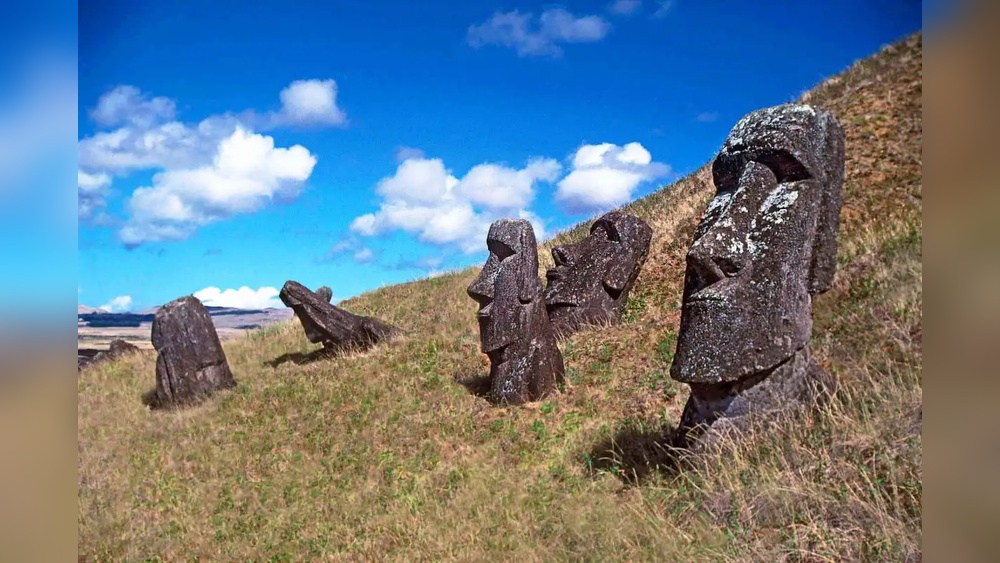
The Moai statues are some of the most famous statues in the world. They stand tall on Easter Island, a small island in the Pacific Ocean. Many people wonder about these statues. What do they mean? Who made them? How were they moved? This guide will help you understand the Moai statues in simple words.
Where Are the Moai Statues?
The Moai statues are on Easter Island. This island is also called Rapa Nui by the people who live there. Easter Island is very far from other land. It is part of Chile, a country in South America. The island is small but full of history.
History of Easter Island and the Moai
People first came to Easter Island over 1,000 years ago. They were the Rapa Nui people. They started making the Moai statues around 1400 years ago. The statues were made to honor their ancestors. Each statue is special and shows respect for the people who lived before them.
What Are the Moai Statues?
The Moai are big stone statues. They look like human faces and bodies. Some are very tall, about 30 feet high. Others are smaller. The statues are carved from volcanic rock. They have big heads, long noses, and strong chins. Their bodies are carved down to the waist or sometimes full figures.
How Many Moai Are There?
There are about 900 Moai statues on Easter Island. Many of them are still standing, while others are lying on the ground. Some statues are found in groups on special stone platforms called “Ahu”.
Why Were the Moai Made?
The Moai statues were made to honor important people. The Rapa Nui believed the statues held the spirit of their ancestors. They thought the statues could protect the island and bring good luck. The Moai face inward, toward the villages, to watch over the people.
Where Are the Moai Facing?
Most Moai face inland, toward the homes and villages. This shows they were watching over their people. Some statues near the sea face the ocean. These statues might have been watchers for the sea or travelers.
How Were the Moai Made?
The Rapa Nui carved the Moai from volcanic rock. The stone came from a place called Rano Raraku. This was a quarry where the rock was soft and easy to carve. They used simple tools made from harder stone to shape the statues.
How Were the Moai Moved?
One big question is how the Rapa Nui moved the heavy statues. Some Moai weigh up to 75 tons! Recent studies show the statues were “walked” upright. People used ropes and balance to move them slowly forward. The roads were shaped to help keep the statues steady.
Why Did Some Moai Fall?
Many Moai statues fell over time. This may have happened because of natural causes like strong winds or earthquakes. Some fell during fights between groups of people. Over time, the statues were pushed down or broken.
Special Features of the Moai
- Coral Eyes: Some Moai had eyes made from white coral and red stone.
- Large Heads: The heads are very big compared to the bodies.
- Heavy Bodies: Some statues have full bodies carved, not just heads.
Famous Moai Sites on Easter Island
You can find Moai statues all over the island. Here are some important places to see them:
| Site | Description |
|---|---|
| Rano Raraku | This is the volcano quarry where most Moai were carved. |
| Ahu Tongariki | The largest group of Moai, with 15 statues standing on a platform. |
| Ahu Nau Nau | Located near the beach, with Moai that have coral eyes. |
Why Did People Stop Making Moai?
People stopped carving Moai around the 1600s. Some experts believe this happened because of war and lack of resources. The island’s forests were cut down. Tools and materials became hard to find. The society changed, and the Moai building stopped.
Can You Touch the Moai Statues?
Visitors cannot touch the Moai. The statues are very old and fragile. Touching them can cause damage. The local people want to protect these statues for future generations.
Visiting Easter Island and the Moai
If you want to see the Moai, plan a trip to Easter Island. The island is remote, but it has hotels and guides. Visiting with a guide helps you learn more about the Moai and the island’s history.

Summary
The Moai statues are amazing stone figures on Easter Island. They show the skill and culture of the Rapa Nui people. The statues honor ancestors and watch over the island. Today, they remind us of the past and the mysteries of human history.
Next time you hear about the Moai, you will know their story. The statues are more than just rocks. They are a window into a world long gone but still remembered.
Frequently Asked Questions
Why Can’t You Touch Moai?
You can’t touch Moai statues to protect their fragile surfaces from damage and erosion. Touching accelerates wear and harms these ancient cultural treasures. Respecting local rules preserves the statues for future generations to enjoy.
What Do The Moai Statues Represent?
Moai statues represent the ancestors of the Rapa Nui people. They symbolize protection, power, and spiritual connection. These stone figures honor important leaders and embody their mana, or spiritual energy, overseeing the island’s well-being and community unity.
Which Way Are The Moai Statues Facing?
Most moai statues face inland, overlooking the villages to watch over the people and land. A few face the sea.
Why Did They Stop Making Moai?
They stopped making moai due to resource depletion and societal collapse on Easter Island. Overuse of trees hindered transport. Conflicts and environmental changes also ended statue production.
Similar Posts