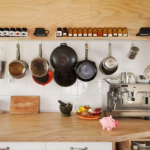
Can You Put a Second Kitchen in Your House: Unlock New Possibilities

Yes, you can put a second kitchen in your house. Local building codes and zoning laws must be followed.

Adding a second kitchen can enhance your home's functionality and value. It provides convenience for large families or those who entertain frequently. Before proceeding, consult local building codes and zoning laws to ensure compliance. This addition might require permits and inspections, which vary by location.

Hiring a professional contractor can help navigate these regulations. A well-planned second kitchen can also serve as an in-law suite or rental unit, offering potential income opportunities. Careful planning and adherence to legal requirements will ensure a smooth installation process.

Benefits Of A Second Kitchen

Installing a second kitchen offers numerous advantages. Whether you want to increase your home's value or enjoy added convenience, a second kitchen can be a great investment.

Increased Home Value

A second kitchen can significantly boost your home's value. Many buyers find dual kitchens appealing. This feature can set your home apart in the market. It can be an attractive selling point for large families or those who love to entertain.

Homes with more amenities often sell faster and for higher prices. A second kitchen could be a wise financial decision.

Enhanced Convenience

Having an extra kitchen means more cooking space. This is perfect for large gatherings or holidays. You can prepare meals without crowding your main kitchen.

A second kitchen can also serve different purposes:

  • Meal Prep: Use one kitchen for prep and the other for cooking.
  • Dietary Needs: Keep one kitchen gluten-free or allergen-free.
  • Entertainment: Use the extra kitchen for parties and events.

This added convenience makes life easier and more organized.

Legal Considerations

Installing a second kitchen in your house can be a great idea. It adds convenience and value. But first, you must consider the legal aspects. Ignoring these can lead to fines or other issues.

Zoning Laws

Zoning laws differ in every area. They control how land and buildings are used. Some zones allow multiple kitchens, others do not.

Check your local zoning laws before starting any work. Visit your city or county's website. Contact the zoning office if you have questions.

Below is a simple table for quick reference:

Zone Type Multiple Kitchens Allowed?
Residential Usually No
Mixed-Use Sometimes
Commercial Often Yes

Building Permits

Building permits are usually required for new kitchens. They ensure the work meets safety standards. Start by visiting your local building department's website.

Here are the typical steps to get a permit:

  1. Submit your kitchen plans.
  2. Pay a permit fee.
  3. Schedule inspections during construction.

Not following these steps can lead to big problems. You might have to remove the kitchen or pay fines.

Check the permit requirements before you start. This saves time and trouble later on.

Designing Your Second Kitchen

Designing a second kitchen in your home can be exciting. This space can serve multiple purposes, such as an in-law suite, a basement apartment, or just a convenient second cooking area. The design process requires careful planning and consideration.

Space Planning

Space planning is crucial for your second kitchen. Start by measuring the available space. Create a rough layout that includes essential elements like the stove, sink, and refrigerator.

Consider these points for effective space planning:

  • Ensure proper ventilation to avoid cooking odors.
  • Maximize storage with cabinets and shelves.
  • Allocate space for a small dining area if possible.
Element Minimum Space Required
Stove 30 inches
Sink 24 inches
Refrigerator 36 inches

Choosing Appliances

Choosing the right appliances is key to a functional kitchen. Focus on quality and efficiency. Select appliances that fit the size of your space.

Here are some tips for choosing appliances:

  1. Energy-Efficient Appliances: Save on energy bills with energy-efficient models.
  2. Compact Models: Opt for compact appliances to save space.
  3. Multi-Functional Units: Choose appliances that serve multiple purposes.

Common appliances for a second kitchen include:

By carefully planning your space and selecting the right appliances, your second kitchen will be both functional and stylish.

Can You Put a Second Kitchen in Your House: Unlock New Possibilities

Plumbing And Electrical Requirements

Thinking of adding a second kitchen to your home? It's a fantastic idea that can increase your home's value and functionality. Before you start, you need to understand the plumbing and electrical requirements. This ensures your new kitchen is both safe and efficient.

Water Supply

Every kitchen needs a reliable water supply. You need to connect your second kitchen to the existing water lines. This involves installing new pipes and fittings to bring water to your sink, dishwasher, and other appliances.

Appliance Water Supply Requirement
Sink Hot and Cold Water Lines
Dishwasher Cold Water Line
Refrigerator with Water Dispenser Cold Water Line

Ensure all water connections are secure to avoid leaks. If unsure, consult a professional plumber. A proper water supply setup is crucial for a functional kitchen.

Electrical Load

Adding a second kitchen also means adding more appliances. This increases the electrical load on your home. You need to ensure your electrical system can handle this extra load.

Each of these appliances requires its own circuit. You might need to upgrade your home's electrical panel to support these additional circuits. It's important to hire a licensed electrician for this task. They will ensure all electrical work meets local building codes.

Here’s a quick checklist for your electrical needs:

  1. Check your current electrical panel capacity.
  2. Calculate the total wattage of new appliances.
  3. Install necessary circuits for each appliance.
  4. Ensure proper grounding and safety measures.

Proper planning and execution of plumbing and electrical work is key to a successful kitchen addition. By addressing these needs upfront, you’ll avoid potential issues down the line.

Cost Factors

Adding a second kitchen to your home can be exciting. But it's important to understand the cost factors involved. This section will cover budgeting and financing options. These will help you plan your project effectively.

Budgeting

Creating a budget is the first step. Start by listing all potential costs:

  • Materials: Cabinets, countertops, flooring, and appliances.
  • Labor: Hiring contractors, electricians, and plumbers.
  • Permits: Check local regulations for necessary permits.
  • Unexpected Costs: Always include a buffer for surprises.

A detailed budget helps avoid overspending. Here's a sample budget table:

Expense Item Estimated Cost
Cabinets $3,000 - $5,000
Countertops $2,000 - $4,000
Appliances $2,500 - $5,000
Labor $4,000 - $10,000
Permits $500 - $1,000
Unexpected Costs $2,000 - $4,000

Financing Options

You have several financing options for your second kitchen. Consider these:

  1. Home Equity Loan: Borrow against the value of your home.
  2. Personal Loan: Unsecured loans with fixed payments.
  3. Credit Cards: Useful for smaller expenses, but watch the interest rates.
  4. Refinancing: Refinance your mortgage to free up cash.
  5. Government Grants: Look for any available home improvement grants.

Choose the option that best fits your financial situation.

Can You Put a Second Kitchen in Your House: Unlock New Possibilities

Best Locations For A Second Kitchen

Thinking of adding a second kitchen to your home? Choosing the right location is key. The space should be convenient and functional. Here are some of the best places to add a second kitchen.

Basement Kitchens

A basement kitchen is great for extra space. Basements are often underused and can be transformed. They provide a cool environment, perfect for cooking. A basement kitchen can add value to your home.

Consider these features for your basement kitchen:

  • Plenty of lighting
  • Ventilation system
  • Modern appliances

Garage Conversions

A garage conversion can be an ideal spot for a second kitchen. Garages offer a blank canvas. They are often spacious and can be easily adapted. A garage kitchen can be perfect for parties or large gatherings.

Key points to think about for a garage kitchen:

  • Insulation
  • Proper plumbing
  • Ample storage

Impact On Home Insurance

Adding a second kitchen to your home can be exciting. But it can also affect your home insurance. It's important to understand how this change impacts your policy. Below are key areas to consider.

Policy Adjustments

Home insurance policies often need updates when you add a new kitchen. Inform your insurer about the addition. They will need to adjust your coverage. This ensures protection for the new kitchen. Failing to do so might leave you underinsured. Here are some adjustments you may need:

  • Increased Coverage: More space and appliances mean higher value.
  • Higher Premiums: More coverage can lead to higher monthly costs.
  • Updated Replacement Cost: Ensures new kitchen features are covered.

Potential Risks

There are risks when adding a second kitchen. Insurers look at these risks. They may affect your policy and premiums. Consider the following risks:

Risk Impact on Insurance
Fire Hazards More appliances increase fire risk.
Water Damage Extra plumbing can lead to leaks.
Higher Usage More wear and tear on home systems.

Understanding these impacts helps you make informed decisions. Always communicate with your insurance provider. Ensure you're fully covered for your new kitchen.

Can You Put a Second Kitchen in Your House: Unlock New Possibilities

Hiring Professionals

Adding a second kitchen to your home can be an exciting project. Hiring the right professionals is key to a successful outcome. Below, we delve into the roles of contractors and interior designers in this process.

Contractors

A contractor is vital for a second kitchen project. They manage the construction work, ensuring it meets local building codes. Here are some tasks contractors handle:

  • Obtaining necessary permits
  • Scheduling inspections
  • Coordinating with other tradespeople

Contractors also deal with plumbing, electrical work, and structural changes. They ensure everything is up to code and safe for use.

Interior Designers

Interior designers focus on the aesthetics and functionality of your new kitchen. They help with choosing materials, colors, and layouts. Key aspects they assist with include:

  1. Space planning
  2. Lighting design
  3. Choosing cabinetry and countertops

Interior designers also provide valuable insights into maximizing space. They ensure the kitchen is both beautiful and practical.

With the right professionals, your second kitchen can be a stunning and functional space.

Frequently Asked Questions

Does A Second Kitchen Add Value To A Home?

Yes, a second kitchen can add value to a home. It appeals to large families and multi-generational households.

What Is A Second Kitchen Called?

A second kitchen is called a "butler's pantry" or "prep kitchen. " It provides extra space for food preparation and storage.

Is It Normal To Have 2 Kitchens?

Yes, having two kitchens is normal. It can cater to large families, cultural cooking needs, or entertaining guests.

What Are The Benefits Of Having Two Kitchens?

Having two kitchens enhances convenience, especially for large families. It allows simultaneous cooking and reduces meal prep time. Separate kitchens can also help maintain dietary restrictions and keep the main kitchen cleaner.

Conclusion

Adding a second kitchen can enhance your home's functionality and value. Consider local regulations, budget, and space. Consult with professionals to ensure compliance and proper installation. This addition can transform your living space, making it more versatile and convenient for your family's needs.

A Floral Christmas Fairytale

A Floral Christmas Fairytale: Golden Sands Perfume Only $36.80!
Discover the magic of Christmas with YCZ Golden Sands Women's Perfume. This enchanting floral oriental fragrance opens with sparkling grapefruit and citrus, blooms into romantic florals of jasmine and rose, and settles into a warm embrace of musk and vanilla. Perfect for holiday parties and special dinners, it lasts all day with just a few sprays. The elegant bottle makes a beautiful gift under the tree. Use code YCZ020 to save 20% ($9.20 off), paying just $36.80 instead of $ 46.00.

Democratizing Beauty, Nailing Affordability!

Click Here to get 15% off the entire order or use the Code before Checkout "WORLDREVIEWZONE"

Leave a Comment

Your email address will not be published. Required fields are marked *

Scroll to Top