Hue Imperial City Guide: Ultimate Tips for an Unforgettable Visit
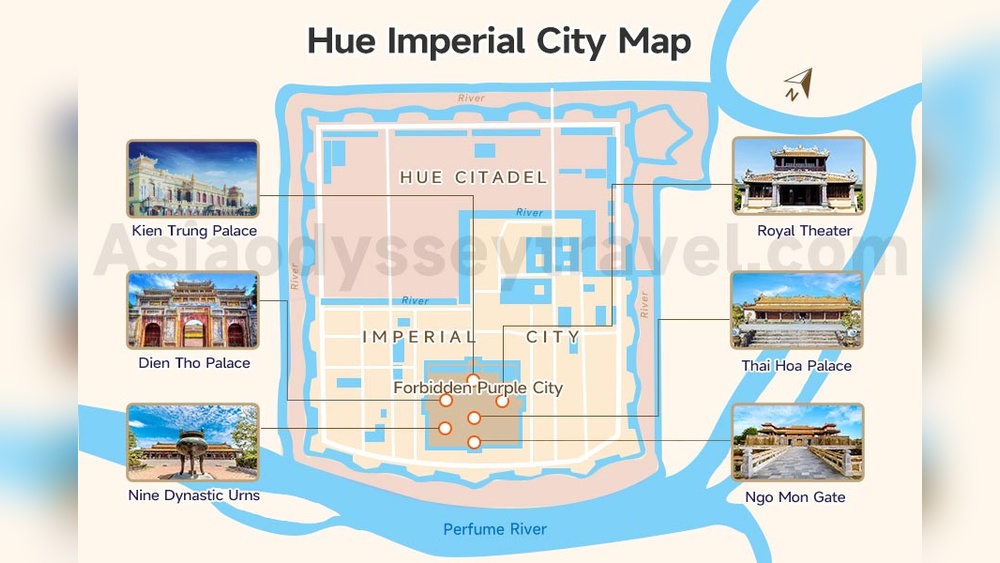
Hue Imperial City is a famous place in Vietnam. It tells a story about the past. The city was the home of kings and queens long ago. Many people visit it to see old buildings and learn history.
Where is Hue Imperial City?
Hue Imperial City is in the city of Hue. This city is in central Vietnam. It lies near the Perfume River. The river adds beauty to the place. You can reach Hue by plane, train, or bus from other cities like Hanoi or Ho Chi Minh City.
Why Visit Hue Imperial City?
Hue Imperial City is special because it was the center of power for the Nguyen Dynasty. This dynasty ruled Vietnam for over 100 years. The city shows how kings lived and how the government worked.
The area is large and has many buildings. Some are palaces, temples, or walls. Each place has a story. The city is also a UNESCO World Heritage Site. This means it is important for the world.
Best Time to Visit
The best time to visit Hue Imperial City is from March to August. The weather is warm and dry. Avoid the rainy season from September to November. Rain can make walking outside hard.
What to See in Hue Imperial City
There are many places to see inside the city. Here are some of the top spots:
| Place | Description |
|---|---|
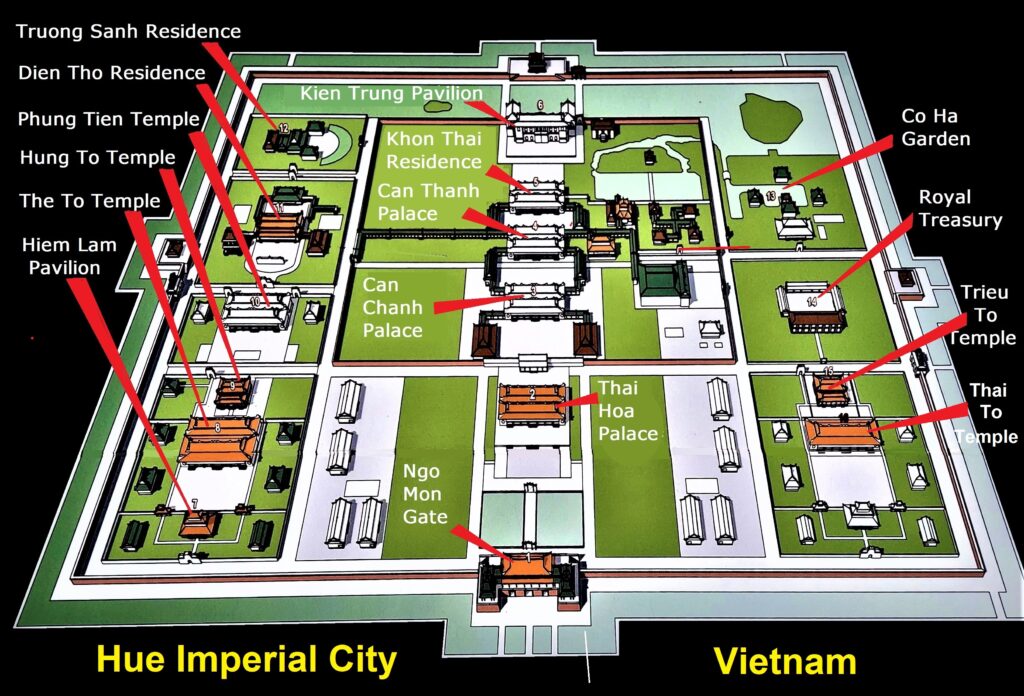
| Ngo Mon Gate | The main entrance to the Imperial City. It has five doors and a big tower. It was used for important ceremonies. |
| Thai Hoa Palace | The throne room where the king held court. It is large and richly decorated. |
| The Mieu Temple | A temple made to honor past emperors. It has many statues and altars. |
| Kien Trung Palace | The king’s living place. It was built with many rooms and gardens. |
| Nine Holy Cannons | These are large cannons used for defense. They stand near the entrance. |
How to Explore the City
Walking is the best way to see the city. The site is big but easy to move around. You can start at Ngo Mon Gate and follow a path to the other places.
Bring water and wear comfortable shoes. The sun can be strong. You may want a hat or umbrella.
Tickets and Opening Hours
Tickets to enter the Imperial City cost a small fee. It helps keep the place clean and safe. You can buy tickets at the entrance. The city opens from 7:30 AM to 5:30 PM every day.
Tips for Visitors
- Dress modestly. Some places ask for covered shoulders and knees.
- Take pictures but avoid flash in temples.
- Respect local customs and the sacred places.
- Visit early in the morning to avoid crowds.
- Use a map to avoid getting lost inside.
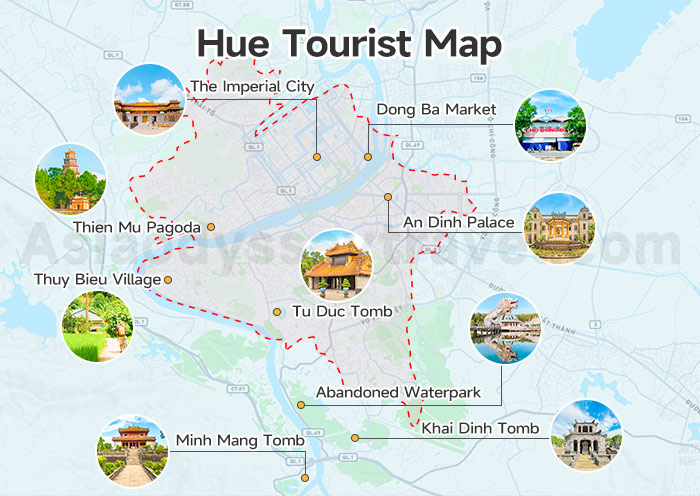
Nearby Attractions
Hue city has other attractions you can visit after the Imperial City:
- Thien Mu Pagoda: A beautiful old pagoda on the river.
- Tomb of Khai Dinh: A royal tomb with unique architecture.
- Dong Ba Market: A lively market with food and souvenirs.
Why Hue Imperial City is Important
Hue Imperial City shows the culture and history of Vietnam. It tells us how kings lived and ruled. The buildings and art show the skill of old craftsmen. Visiting the city helps us learn about Vietnam’s past.
Summary
Hue Imperial City is a must-see place in Vietnam. It has old palaces, temples, and walls. The city is big and full of history. Walking around is the best way to explore. Buy a ticket, wear good shoes, and bring water. Visit in the dry months for better weather. Take time to enjoy the beauty and stories of the city.
Hue Imperial City offers a journey back in time. It is a window to the past. A visit here is both fun and educational. If you plan to visit Vietnam, add Hue Imperial City to your list.
Frequently Asked Questions
What Is The Hue Imperial City Known For?
Hue Imperial City is famous for its rich history and royal architecture. It served as the Nguyen Dynasty’s capital in Vietnam.
How Much Time Is Needed To Explore Hue Imperial City?
Most visitors spend about 3 to 4 hours touring the main sites. A full day allows for a deeper experience of the area.
What Are The Must-see Places Inside The Imperial City?
Highlights include Ngo Mon Gate, Thai Hoa Palace, and The Mieu Temple. Don’t miss the Nine Holy Cannons and Kien Trung Palace.
Is Hue Imperial City A Unesco World Heritage Site?
Yes, it is part of the UNESCO Complex of Hue Monuments. This status helps protect its cultural and historical value.

Similar Posts