Home Cooking Vs Fast Food: Which Is Better for Your Health?

Home cooking is generally healthier and more cost-effective than fast food. Fast food offers convenience but often lacks nutritional value.
Home cooking allows control over ingredients, portion sizes, and cooking methods, ensuring a healthier diet. It fosters family bonding and enhances cooking skills. Fast food, while convenient and time-saving, tends to be high in unhealthy fats, sugars, and sodium, contributing to various health issues.
Cooking at home can be budget-friendly, reducing food costs over time. Balancing busy schedules with home-cooked meals may require planning, but can lead to better health and satisfaction. By prioritizing home cooking, individuals can enjoy nutritious meals and improve their overall well-being.
Nutritional Value
Understanding the nutritional value of home-cooked meals and fast food helps make healthier choices. Different cooking methods and ingredients impact nutrient intake significantly.
Whole Foods Vs Processed Ingredients
Home cooking often uses whole foods. These include fresh vegetables, fruits, and lean meats. Whole foods are less processed and contain fewer additives.
Fast food typically relies on processed ingredients. These include artificial flavors, preservatives, and unhealthy fats. Processed foods often have added sugars and sodium.
| Whole Foods | Processed Ingredients |
|---|---|
| Fresh vegetables | Artificial flavors |
| Lean meats | Preservatives |
| Fruits | Added sugars |
| Whole grains | Unhealthy fats |
Nutrient Density
Home-cooked meals generally have higher nutrient density. This means more vitamins, minerals, and essential nutrients per serving.
Fast food often lacks essential nutrients. It might be high in calories but low in vitamins and minerals.
- Home-cooked meal: High in fiber, vitamins, and minerals.
- Fast food: High in calories, fats, and sugars.
Choosing home-cooked meals ensures a balanced diet. It supports long-term health and well-being.

Caloric Intake
Understanding caloric intake is crucial for maintaining a healthy lifestyle. The choice between home cooking and fast food plays a significant role in your daily calorie consumption. Let's explore the differences in caloric intake between these two options.
Portion Control
Home cooking allows you to control your portion sizes easily. You can measure ingredients accurately and avoid overeating. Fast food portions are often larger than necessary, leading to higher calorie consumption. Restaurants aim to satisfy with big portions, which can result in consuming more calories than you need.
Hidden Calories
Fast food often contains hidden calories that you might not be aware of. Ingredients like sauces, dressings, and fried items add extra calories. Home cooking gives you control over every ingredient, helping you avoid hidden calories. You can choose healthier options and use fewer high-calorie ingredients.
| Aspect | Home Cooking | Fast Food |
|---|---|---|
| Portion Control | Precise measurement, smaller portions | Often large portions, less control |
| Hidden Calories | Transparent ingredients, fewer hidden calories | Many hidden calories in sauces and fry items |
Choosing home-cooked meals helps manage your caloric intake better. You have control over portions and ingredients, reducing the risk of consuming hidden calories.
Health Risks
Choosing between home cooking and fast food impacts your health. Home-cooked meals often contain fresh, whole ingredients. Fast food typically includes processed items, high in fats and sugars. Understanding the health risks helps make better dietary choices. Let's explore two significant health risks: obesity and weight gain, and chronic diseases.
Obesity And Weight Gain
Fast food is often high in calories and low in nutrients. These meals usually contain high amounts of fats, sugars, and refined carbohydrates. Consuming them regularly leads to excessive calorie intake. This calorie surplus results in weight gain and obesity.
Home-cooked meals allow for better portion control. You can choose healthier ingredients and cooking methods. For example, grilling instead of frying reduces fat intake. Using fresh vegetables instead of canned ones lowers sodium levels.
Here’s a comparison table to illustrate the differences:
| Aspect | Home Cooking | Fast Food |
|---|---|---|
| Calorie Control | Easy to manage | Often high in calories |
| Ingredient Quality | Fresh and wholesome | Processed and less nutritious |
| Cooking Methods | Healthier options like grilling | Unhealthy options like frying |
Chronic Diseases
Regular consumption of fast food increases the risk of chronic diseases. These include diabetes, heart disease, and hypertension. High levels of trans fats and sodium in fast food contribute to these conditions.
Cooking at home can significantly reduce these risks. You control the salt and fat content in your meals. Using fresh ingredients provides essential nutrients that protect against diseases.
Consider these points:
- Fast food often contains trans fats.
- Home-cooked meals use healthier fats like olive oil.
- Fast food is high in sodium, leading to hypertension.
- Home cooking allows for reduced salt usage.
Understanding these health risks helps make informed food choices. Opting for home-cooked meals can lead to a healthier lifestyle.
Cost Implications
Understanding the cost implications of home cooking versus fast food can help you make better choices. Let's dive into the specifics of each option.
Grocery Shopping Vs Fast Food Prices
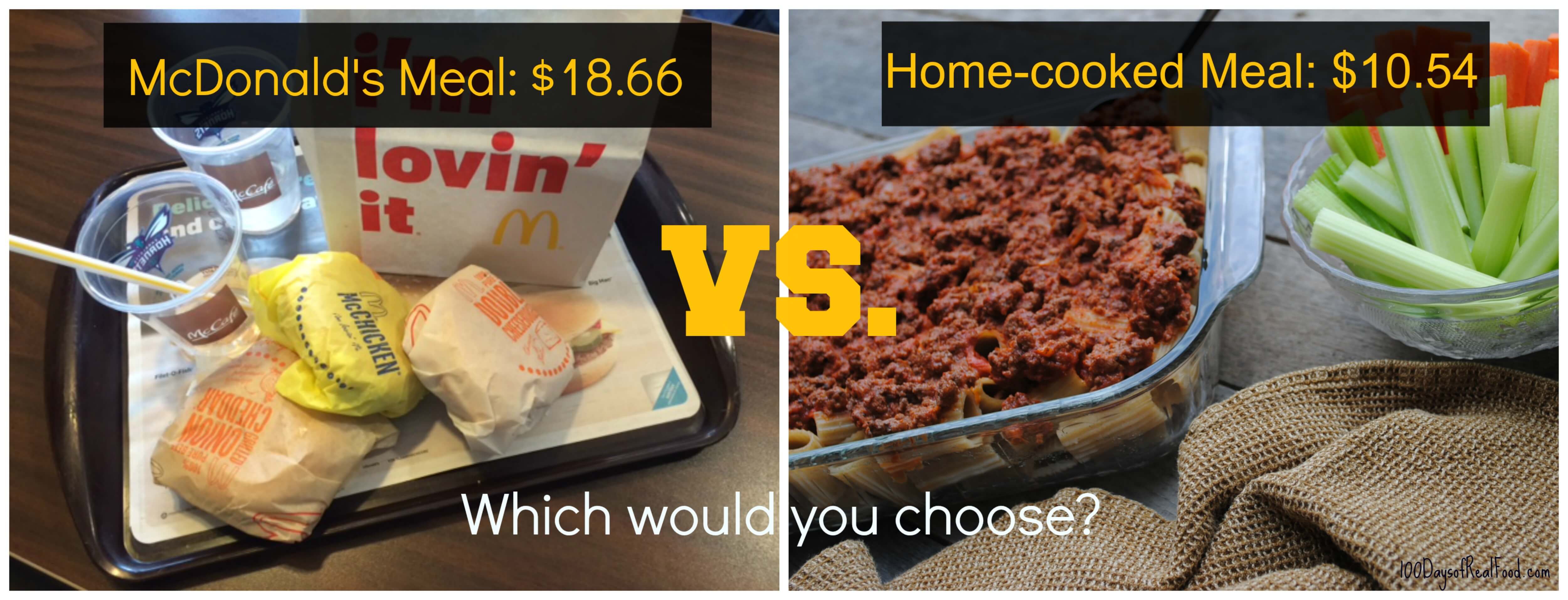
Grocery shopping might seem expensive at first glance. But, it often provides more value in the long run. A grocery bill of $100 can cover meals for a week for a family of four. Compare this with fast food. A single meal at a fast food restaurant can cost around $10. For a family of four, that's $40 per meal. Multiply that by three meals a day, and the costs skyrocket.
Below is a table comparing costs:
| Meal Type | Cost Per Meal | Daily Cost (3 meals) | Weekly Cost (7 days) |
|---|---|---|---|
| Home Cooking | $2.50 | $30 | $210 |
| Fast Food | $10 | $120 | $840 |
Long-term Health Costs
Eating fast food regularly can lead to health issues. These include obesity, diabetes, and heart disease. Treating these conditions can be very expensive. Hospital bills, medications, and treatments add up quickly. Healthy home-cooked meals often contain less sugar, salt, and unhealthy fats. This can help prevent many health problems.
Here are some potential long-term health costs associated with fast food:
- Obesity treatment: $1,429 per year
- Diabetes management: $9,601 per year
- Heart disease treatment: $20,000 per year
By focusing on home cooking, you invest in your long-term health. This can save you a lot of money in medical expenses.
Convenience Factor
The convenience factor is a major consideration in the Home Cooking vs. Fast Food debate. Both options offer unique advantages based on your lifestyle and needs. Let's explore these through time investment and accessibility.
Time Investment
Cooking at home often requires more time investment. You need to plan meals, shop for ingredients, and prepare dishes. This can take anywhere from 30 minutes to several hours.
Fast food, on the other hand, minimizes time spent. Most fast food chains offer quick service. You can have a meal in hand in under 10 minutes.
Here’s a simple table to compare:
| Aspect | Home Cooking | Fast Food |
|---|---|---|
| Meal Planning | Essential | Not Needed |
| Shopping | Required | Not Required |
| Preparation | Time-Consuming | Quick |
Accessibility
Accessibility is another key factor. Fast food chains are widespread and easy to find. You can locate them in most urban areas and even some rural places.
Home cooking requires access to grocery stores. You also need a kitchen with the necessary tools. This can be challenging for people with busy schedules or limited resources.
Here are some points to consider:
- Fast Food: Easily accessible, no special equipment needed.
- Home Cooking: Requires kitchen tools, access to fresh ingredients.
Each option has its pros and cons based on these factors. Choose what suits your lifestyle best.
Quality Of Ingredients
When choosing between home cooking and fast food, the quality of ingredients is key. The ingredients used can affect health, taste, and overall well-being. Let's explore the differences.
Organic And Fresh Produce
Home cooking often uses organic and fresh produce. These ingredients are free from harmful chemicals. Fresh vegetables, fruits, and meats retain more nutrients. They taste better and support a healthier lifestyle.
Fast food chains usually opt for cheaper ingredients. These are often not organic or fresh. The focus is on cost and convenience, not quality.
| Home Cooking | Fast Food |
|---|---|
| Organic vegetables | Processed vegetables |
| Fresh fruits | Canned fruits |
| Free-range meats | Factory-farmed meats |
Preservatives And Additives
Home cooking allows control over what goes into your food. You can avoid preservatives and additives. This means fewer chemicals in your diet. Home-cooked meals are often healthier and safer.
Fast food often contains many preservatives and additives. These chemicals extend shelf life and enhance flavor. But they can have negative health effects. Too many additives can lead to health issues.
- Preservatives in fast food include sodium nitrate and BHA.
- Additives in fast food often include MSG and artificial colors.
Choosing home cooking over fast food can greatly improve the quality of ingredients in your diet. Organic and fresh produce along with fewer preservatives and additives can lead to a healthier lifestyle.
Environmental Impact
Choosing between home cooking and fast food has many effects on the environment. The ways these two options impact the planet vary greatly. Let's explore the environmental impact of each, focusing on food waste and carbon footprint.
Food Waste
Home cooking often leads to better management of food resources. People usually buy only what they need and use leftovers efficiently. This helps in reducing food waste. Families can plan meals and use fresh ingredients wisely.
In contrast, fast food outlets generate a lot of waste. Many items are pre-packaged and single-use. These places often throw away unsold food. Customers also tend to discard packaging and leftovers, adding to landfills.
Carbon Footprint
The carbon footprint of home-cooked meals tends to be lower. People usually cook with fresh, local ingredients. This reduces the need for long-distance transportation. Home kitchens also use less energy compared to industrial kitchens.
Fast food chains have a larger carbon footprint. They rely on mass production and long supply chains. This involves more transportation and energy use. The production of packaging materials adds further to carbon emissions.
| Aspect | Home Cooking | Fast Food |
|---|---|---|
| Food Waste | Minimal | High |
| Carbon Footprint | Low | High |
Psychological Benefits
Choosing between home cooking and fast food impacts our psychological well-being. Home cooking offers unique mental health benefits. Let's explore how cooking at home can improve our lives.
Cooking As A Stress Reliever
Cooking can be a powerful stress reliever. The act of chopping vegetables and stirring pots can be meditative. It allows you to focus and forget daily worries. In the kitchen, you control the environment. This control can reduce feelings of anxiety. The repetitive tasks in cooking can calm your mind.
Creating a meal from scratch gives a sense of accomplishment. This achievement boosts self-esteem. It also provides a creative outlet. You can experiment with recipes and ingredients. This creativity can spark joy and reduce stress.
Family Bonding
Home cooking brings families together. Preparing meals can be a shared activity. Family members can gather in the kitchen, talk, and laugh. Cooking together creates memories and strengthens bonds. It provides an opportunity to share family traditions and recipes.
Eating home-cooked meals also promotes family unity. Sitting down for a meal encourages conversation. It allows everyone to connect and share their day. This routine fosters a sense of belonging and support. Family meals can improve communication and emotional well-being.
Cooking at home offers more than just physical nourishment. It nurtures our minds and relationships. The psychological benefits of home cooking make it a valuable habit.
Frequently Asked Questions
Is Home Cooked Better Than Fast Food?
Home-cooked meals are often healthier than fast food. They contain fewer calories, less fat, and more nutrients. Cooking at home allows control over ingredients, ensuring fresher and safer food.
Is Cooking At Home Actually Healthier?
Yes, cooking at home is generally healthier. It allows control over ingredients, portion sizes, and cooking methods. This reduces unhealthy fats, sugars, and sodium. Home-cooked meals often include more fresh vegetables, lean proteins, and whole grains. This promotes better nutrition and overall health.
Is Eating Fast Food Cheaper Than Cooking At Home?
Eating fast food can seem cheaper in the short term, but cooking at home is usually more cost-effective over time. Home-cooked meals offer better nutrition and portion control, saving money on healthcare. You also avoid hidden costs like transportation.
Is Homemade Food Better Than Fast Food Debate?
Homemade food is generally healthier than fast food. It often contains fewer processed ingredients and less unhealthy fat. Homemade meals can be customized to fit dietary needs, promoting better nutrition. Fast food, while convenient, usually contains high levels of sugar, salt, and unhealthy fats.
Conclusion
Choosing between home cooking and fast food depends on your lifestyle and priorities. Home cooking offers health benefits and cost savings. Fast food provides convenience for busy schedules. Balance is key. Prioritize your health while enjoying occasional fast food. Make informed choices to maintain a healthy lifestyle.

A Christmas Love Story: Stunning Gradient Cologne Only $18.40!




Subscribe to our LinkedIn Newsletter or Visit our Website
The Next-Gen Robot Vacuum Cleaners: Roborock Saros 10 & Saros 10R
Daily Life Game Changers List:

Similar Posts