Rapa Nui Travel Guide: Ultimate Tips for an Unforgettable Adventure

Rapa Nui, also called Easter Island, is a small island in the Pacific Ocean. It belongs to Chile. This island is famous for its big stone statues called moai. The island is full of history, culture, and beautiful nature. In this guide, you will find all the useful information to plan your trip to Rapa Nui.
Where is Rapa Nui?
Rapa Nui is very far from the mainland. It is about 2,300 miles west of Chile. The island is small, only about 63 square miles. It looks like a triangle with three volcanoes on its edges. The nearest inhabited island is more than 1,200 miles away. Because of this, Rapa Nui feels like a hidden treasure in the ocean.
How to Get to Rapa Nui
The only way to reach Rapa Nui is by plane. There are regular flights from Santiago, Chile. The flight takes about six hours. Most visitors fly with LATAM Airlines. There are no direct flights from other countries. So, you must connect in Santiago.
When to Visit Rapa Nui?
The best time to visit is from October to April. This is the warm season. The weather is sunny and dry. The temperatures are between 70°F and 85°F. The island can be rainy from May to September. But even then, it is not cold. If you want to see the famous Tapati Festival, plan your trip in February. This festival celebrates Rapa Nui culture with music, dance, and sports.
What to See in Rapa Nui
Rapa Nui has many special places. Here are the top sights you should not miss:
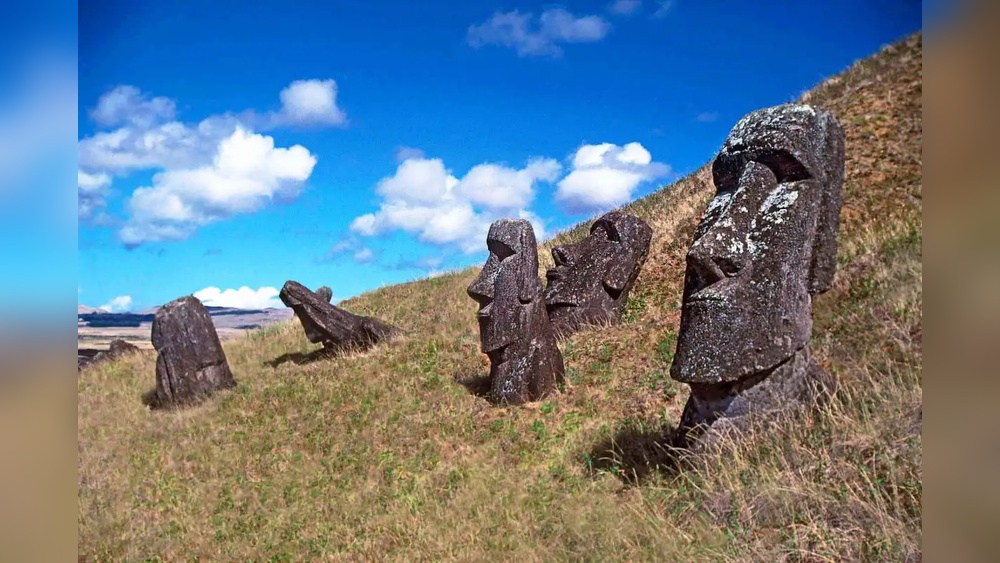
- Moai Statues: These giant stone figures are the island’s main attraction. They were carved by the early Rapa Nui people. Most moai stand along the coast.
- Rano Raraku: This is the volcanic quarry where the moai were made. You can see many statues still half-buried in the earth.
- Ahu Tongariki: The largest group of moai statues. It has 15 moai standing side by side.
- Orongo Village: A ceremonial site on the edge of a volcano crater. It is linked to the birdman cult, an important part of Rapa Nui history.
- Rano Kau: A big volcanic crater with a freshwater lake inside. The views from here are amazing.
- Anakena Beach: A white sandy beach with palm trees. It is perfect for swimming and relaxing.

How to Move Around Rapa Nui
The island is small. You can rent a bike or a scooter to get around. Some visitors prefer to rent a car. There are also local buses and taxis. Walking is possible, but some places are far apart.
Guided Tours on Rapa Nui
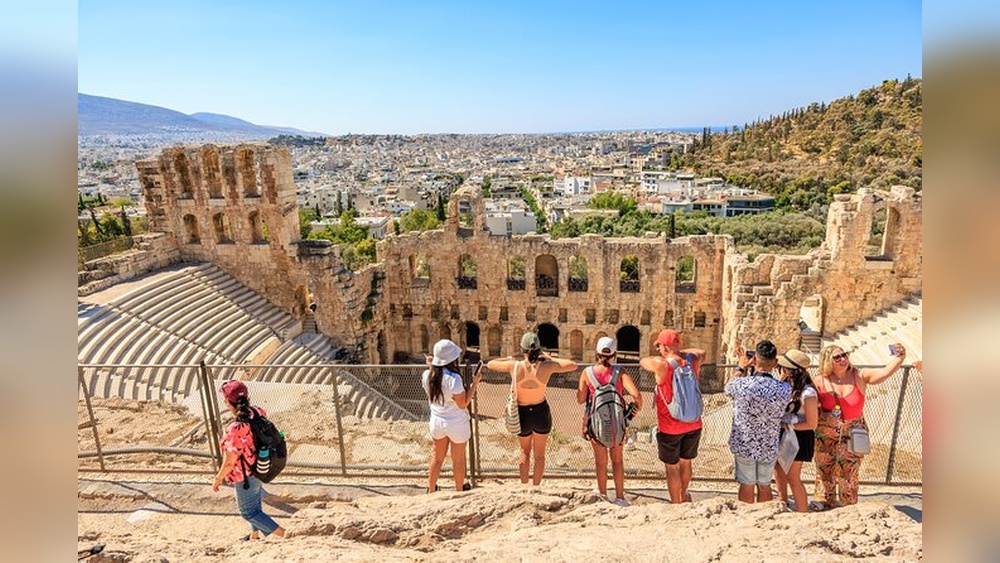
Many visitors choose guided tours to learn more about the island. Local guides share stories about the culture and history. Some tours include visits to the moai, volcanoes, and villages. Small group tours are popular because they feel personal and respectful to local traditions.
Where to Stay on Rapa Nui
Rapa Nui has different places to stay. You can find small hotels, guesthouses, and hostels. Most are near the main town, Hanga Roa. Booking in advance is a good idea, especially in high season.
Food and Drink
Rapa Nui’s food is a mix of Polynesian and Chilean flavors. Seafood is fresh and common. Try dishes with fish, shellfish, and octopus. The island also has fruits like bananas and pineapple. You can find small restaurants in Hanga Roa. Some places offer traditional Rapa Nui meals.
Respecting Rapa Nui Culture and Nature
Rapa Nui is a special place with deep history. Visitors should respect local customs and the environment. Do not climb on the moai statues or take pieces of rock. Stick to marked paths in the national park. Ask permission before taking photos of people or ceremonies.
What to Pack for Rapa Nui
Here is a simple packing list for your trip:
| Item | Reason |
|---|---|
| Comfortable walking shoes | For exploring uneven paths and volcanoes |
| Sun protection (hat, sunscreen) | The sun can be strong on the island |
| Light clothes | For warm weather and humidity |
| Rain jacket | In case of rain, especially in winter |
| Camera | To capture beautiful landscapes and statues |
| Reusable water bottle | Stay hydrated while exploring |
Important Tips for Your Trip
- Bring enough cash. Not all places accept cards.
- Internet can be slow or limited on the island.
- Learn a few words in Spanish or Rapa Nui language.
- Respect nature and culture. Take only photos, leave only footprints.
- Stay safe near cliffs and volcano edges.
- Book tours and accommodation in advance during busy months.
Why Visit Rapa Nui?
Rapa Nui offers something few places do. You can see ancient statues, feel a unique culture, and enjoy quiet nature. It is a great place for adventure and learning. The island is peaceful and full of stories waiting to be discovered.
Whether you like history, nature, or just want to relax, Rapa Nui has it all. This travel guide helps you prepare and enjoy your visit to this amazing island.
Frequently Asked Questions
What Is The Best Time To Visit Rapa Nui?
The best time to visit Rapa Nui is from October to April. These months have warm weather and less rain. Tourist crowds are smaller in shoulder seasons.
How Do I Get To Easter Island?
Most visitors fly to Easter Island from Santiago, Chile. The flight takes about six hours. There are no direct international flights.
What Currency Is Used On Rapa Nui?
The Chilean Peso (CLP) is the official currency on Rapa Nui. Credit cards are accepted in some places but cash is preferred. ATMs are available in the main town.
Are Guided Tours Necessary On Easter Island?
Guided tours help you understand the island’s history and culture better. They also provide access to protected sites. Small group tours are highly recommended.

Similar Posts