How to Make Homemade Kitchen Cleaner: A Simple DIY Guide

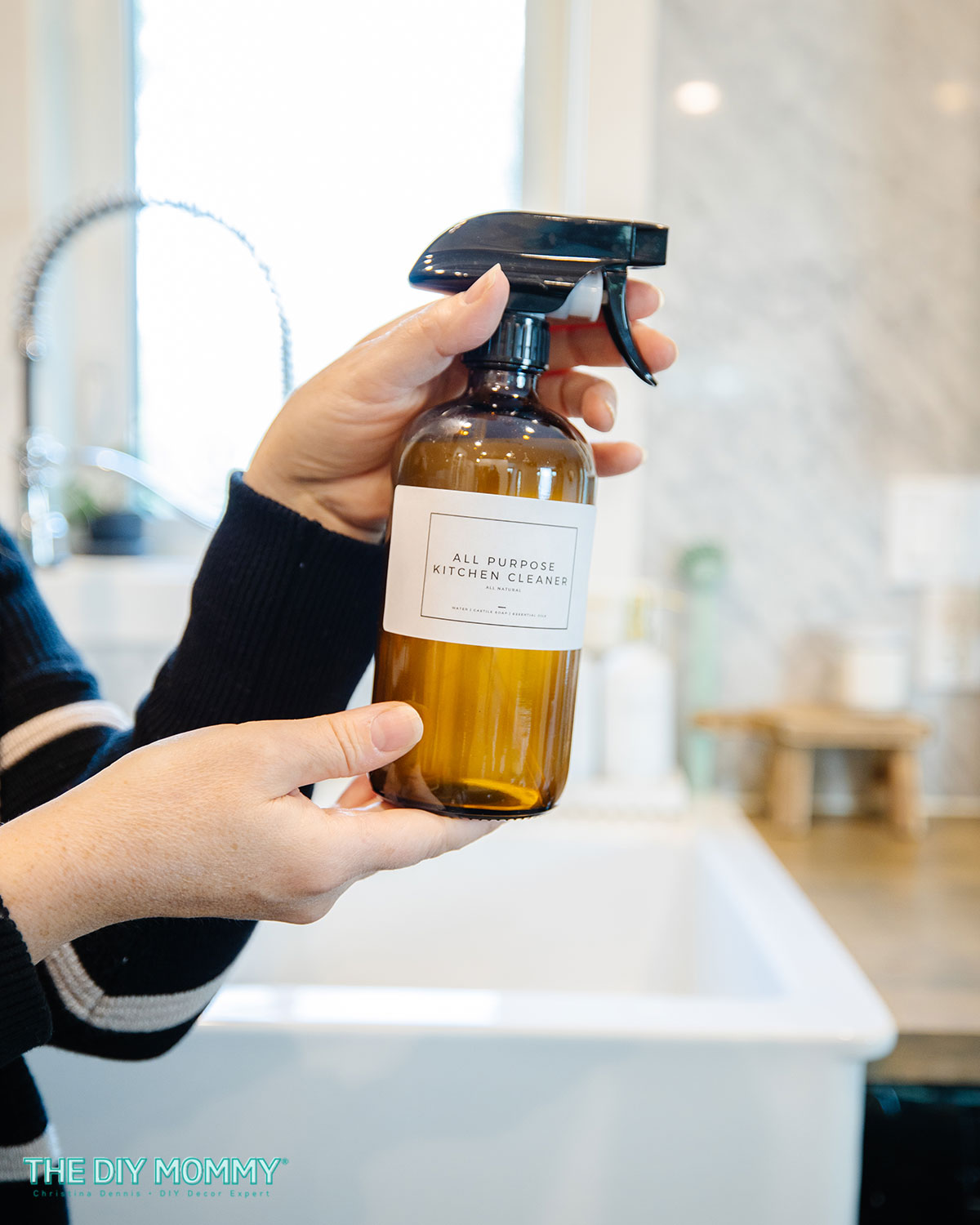
To make a homemade kitchen cleaner, mix equal parts of water and white vinegar. Add a few drops of essential oil.
A clean kitchen is essential for a healthy home. Commercial cleaners often contain harsh chemicals. Homemade kitchen cleaners are natural, cost-effective, and eco-friendly. You can make a powerful cleaner using simple ingredients found in your pantry. White vinegar acts as a natural disinfectant, while essential oils add a pleasant scent.
This cleaner is effective on countertops, stovetops, and other surfaces. It’s safe for your family and the environment. You can avoid harmful chemicals and save money. Making your own cleaner is easy and quick. Start with basic ingredients and enjoy a sparkling clean kitchen.
Essential Ingredients
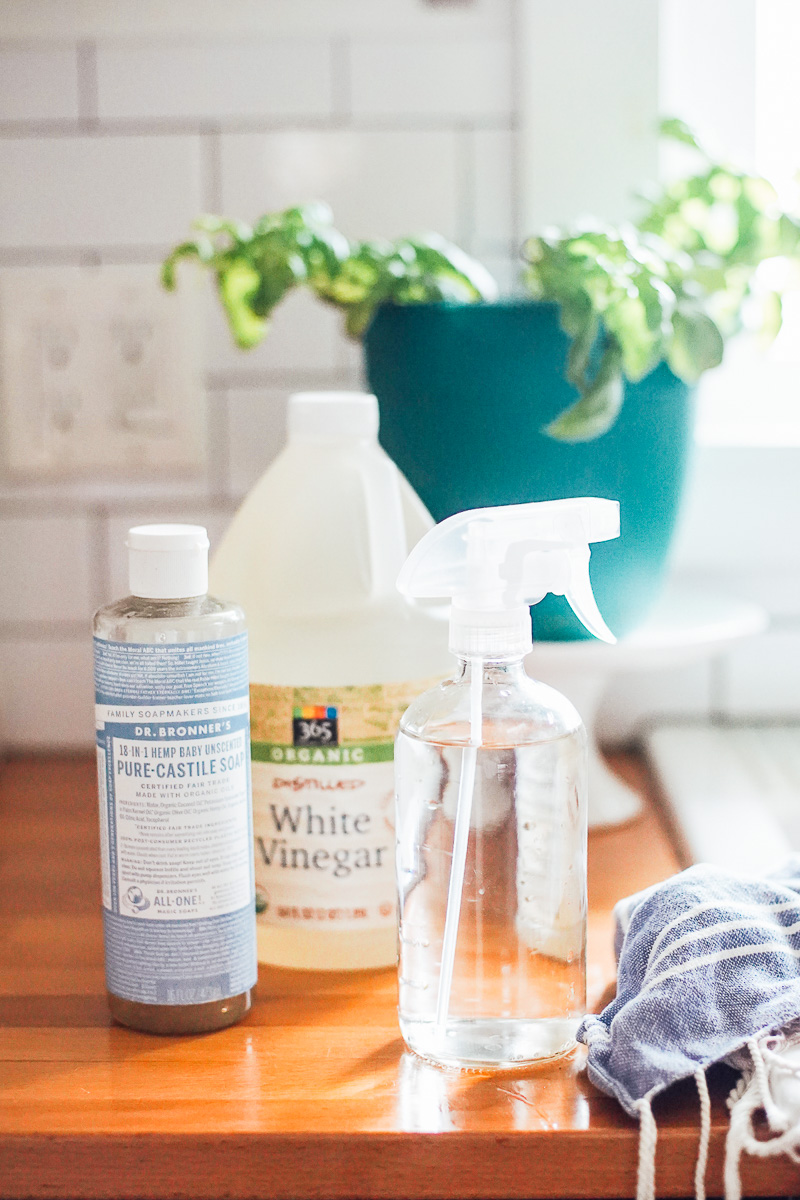
Creating a homemade kitchen cleaner is easy and cost-effective. You need just a few simple ingredients to get started. These ingredients are safe and effective for cleaning.
Natural Cleaning Agents
Natural cleaning agents are great for keeping your kitchen clean. They are non-toxic and eco-friendly.
- Vinegar: Vinegar is a powerful cleaner. It cuts through grease and grime.
- Lemon Juice: Lemon juice has natural antibacterial properties. It leaves a fresh scent.
- Baking Soda: Baking soda is perfect for scrubbing surfaces. It also deodorizes your kitchen.
Common Household Items
You probably have these items in your home already. They make cleaning easy and effective.
| Item | Use |
|---|---|
| Dish Soap | Dish soap helps to cut through grease. It also makes your cleaner soapy. |
| Essential Oils | Essential oils add a pleasant scent. They also have antibacterial properties. |
| Spray Bottle | A spray bottle helps you apply the cleaner easily. It also ensures even coverage. |
Tools And Supplies
Creating a homemade kitchen cleaner is simple and cost-effective. You need the right tools and supplies for effective results. Below, we will outline the necessary equipment and storage containers to get you started.
Necessary Equipment
To make your homemade kitchen cleaner, you need a few essential tools. These tools ensure your cleaner is mixed and stored correctly.
- Measuring Cups and Spoons: Accurate measurements ensure the right cleaning strength.
- Mixing Bowl: Ideal for combining ingredients smoothly.
- Funnel: Helps pour the cleaner into bottles without spills.
- Spray Bottles: Essential for easy application of your cleaner.
- Stirring Spoon: Useful for mixing ingredients thoroughly.
- Labels: To mark your cleaner bottles for easy identification.
Storage Containers
Proper storage ensures your homemade cleaner stays effective and safe. Choose containers that are easy to use and durable.
| Container Type | Benefits |
|---|---|
| Glass Bottles | Non-reactive, eco-friendly, and reusable. |
| Plastic Bottles | Lightweight, shatterproof, and inexpensive. |
| Spray Bottles | Convenient for application and easy to use. |
Label each container with the cleaner’s name and ingredients. This practice helps avoid confusion and ensures safety.
Basic Cleaner Recipe
Making a homemade kitchen cleaner is easy and effective. You need common household items. This cleaner is safe for most surfaces. It’s also eco-friendly and budget-friendly. Below are the steps and tips.
Step-by-step Instructions
- Gather the ingredients: vinegar, water, and essential oils.
- Find a clean spray bottle.
- Mix equal parts of vinegar and water in the bottle.
- Add 10-15 drops of essential oil for fragrance.
- Shake well to combine.
Mixing Tips
- Use white vinegar for the best results.
- Choose essential oils like lemon or lavender for a fresh scent.
- Label your bottle to avoid confusion.
- Store the cleaner in a cool, dry place.
| Ingredient | Quantity | Purpose |
|---|---|---|
| White Vinegar | 1 cup | Cleans and disinfects |
| Water | 1 cup | Dilutes vinegar |
| Essential Oils | 10-15 drops | Adds fragrance |
Specialized Cleaners
Homemade kitchen cleaners are versatile, eco-friendly, and cost-effective. Specialized cleaners tackle specific tasks, making your kitchen sparkle effortlessly. Learn how to create these specialized cleaners for glass and greasy surfaces.
Glass Cleaner
Keep your glass surfaces spotless and streak-free with this simple homemade glass cleaner. You will need:
- 1 cup of water
- 1 cup of white vinegar
- 1 tablespoon of cornstarch
- 10 drops of essential oil (optional)
Follow these steps to make your glass cleaner:
- Mix water and vinegar in a spray bottle.
- Add cornstarch and shake well.
- Include essential oil for a pleasant scent.
- Shake before each use to ensure ingredients are mixed.
Spray on glass surfaces and wipe with a microfiber cloth. Your windows and mirrors will shine brilliantly.
Degreaser
Grease can be stubborn, but this homemade degreaser will cut through it easily. Gather these ingredients:
- 2 cups of warm water
- 1/2 cup of baking soda
- 1/4 cup of dish soap
- 10 drops of lemon essential oil
Prepare your degreaser by following these steps:
- Combine water and baking soda in a bowl.
- Add dish soap and mix gently.
- Include lemon essential oil for added grease-cutting power.
- Transfer the mixture to a spray bottle.
Spray the degreaser on greasy surfaces and let it sit for a few minutes. Wipe clean with a damp cloth. Stubborn grease will disappear, leaving your kitchen sparkling clean.
Safety Tips
Making your own kitchen cleaner is both fun and cost-effective. But, safety is very important. Follow these tips to stay safe while creating and using your homemade cleaner.
Proper Handling
- Wear gloves to protect your hands.
- Avoid inhaling fumes by working in a well-ventilated area.
- Keep children and pets away during the mixing process.
- Never mix different types of cleaners. This can create harmful chemicals.
Storage Guidelines
Storing your homemade kitchen cleaner properly ensures it remains effective and safe.
- Label your cleaner bottles. Include the name and date.
- Store the cleaner in a cool, dry place.
- Keep the cleaner out of reach of children and pets.
- Use airtight containers to prevent spills and evaporation.
| Do’s | Don’ts |
|---|---|
| Wear gloves | Mix different cleaners |
| Work in ventilated areas | Leave cleaner within reach of kids |
| Label bottles | Store in warm places |

Cost Comparison
Making your own kitchen cleaner can save you money. Let’s compare the costs of homemade vs. store-bought cleaners. We’ll also look at long-term savings.
Homemade Vs. Store-bought
Store-bought cleaners can be expensive. They often come in small bottles, and you need to buy them often. Homemade cleaners use simple ingredients like vinegar, baking soda, and lemon. These ingredients are cheap and last a long time.
| Item | Cost | Usage per Bottle |
|---|---|---|
| Store-Bought Cleaner | $5 – $10 | 1 month |
| Vinegar (1 gallon) | $3 | 6 months |
| Baking Soda (1 lb) | $1 | 3 months |
| Lemon (per lemon) | $0.50 | 1 month |
Long-term Savings
Over a year, you can save a lot with homemade cleaners. Let’s do a quick calculation.
- Store-Bought Cleaner: $7 per month x 12 = $84 per year
- Vinegar: $3 lasts 6 months x 2 = $6 per year
- Baking Soda: $1 lasts 3 months x 4 = $4 per year
- Lemon: $0.50 per month x 12 = $6 per year
Total cost for homemade: $6 + $4 + $6 = $16 per year
Using homemade cleaners can save you $68 per year. That’s a big difference!
Environmental Impact
Creating your own kitchen cleaner has a significant environmental impact. It helps reduce waste and uses eco-friendly ingredients. Let’s explore how this benefits our planet.
Reducing Waste
Store-bought cleaners come in plastic bottles. These bottles often end up in landfills. By making your own cleaner, you can reuse old spray bottles. This practice cuts down on plastic waste.
Consider the following benefits:
- Less plastic in landfills
- Reduction in packaging waste
- Decrease in transportation emissions
Reusing bottles means fewer trips to the store. This saves fuel and reduces carbon emissions.
Eco-friendly Ingredients
Homemade cleaners use natural ingredients like vinegar, baking soda, and lemon juice. These ingredients are safe for the environment. They break down easily and do not pollute water sources.
Here’s a comparison of common ingredients:
| Commercial Cleaners | Homemade Cleaners |
|---|---|
| Harsh chemicals | Vinegar |
| Artificial fragrances | Lemon juice |
| Non-biodegradable substances | Baking soda |
These natural ingredients are not only safe but also effective. They clean surfaces without harming the planet.
Frequently Asked Questions
What Is The Best Homemade Solution For Cleaning?
A great homemade cleaning solution combines equal parts white vinegar and water. Add a few drops of essential oil for scent. This mixture effectively cleans surfaces and removes odors. It’s safe, eco-friendly, and easy to make.
How Do You Make Homemade Cleaning Liquid For the Kitchen?
Mix equal parts of water and white vinegar. Add a few drops of dish soap. For a fresh scent, add lemon juice or essential oils. Shake well before use.
What Is The Best Natural Cleaner For Kitchens?
The best natural cleaner for kitchens is a mixture of white vinegar and water. It effectively cuts through grease and disinfects surfaces.
How To Make A Homemade All-purpose Cleaner?
Mix 1 cup of water, 1 cup of white vinegar, and 10 drops of essential oil. Pour into a spray bottle. Shake well before use.
Conclusion
Creating your own homemade kitchen cleaner is both simple and rewarding. You save money and avoid harsh chemicals. By using natural ingredients, you ensure a safer environment. Try these recipes and enjoy a sparkling clean kitchen. Happy cleaning!




Subscribe to our LinkedIn Newsletter or Visit our Website
The Next-Gen Robot Vacuum Cleaners: Roborock Saros 10 & Saros 10R
Daily Life Game Changers List:

Similar Posts