Yellowstone National Park Camping Guide: Ultimate Tips for Adventure
Yellowstone National Park is one of the best places to camp in the United States. It has beautiful nature and many fun things to see. Camping here can be a great adventure for families, friends, and solo travelers.
This guide will help you plan your camping trip in Yellowstone. It covers campgrounds, rules, tips, and how to enjoy your stay safely.
Why Camp in Yellowstone?
Yellowstone has many special things to offer:
- Geysers and hot springs
- Wild animals like bears and bison
- Big forests and rivers
- Fresh air and quiet nights
Camping lets you stay close to nature. You wake up near wildlife and beautiful views. It is a unique way to see the park.
Best Campgrounds in Yellowstone
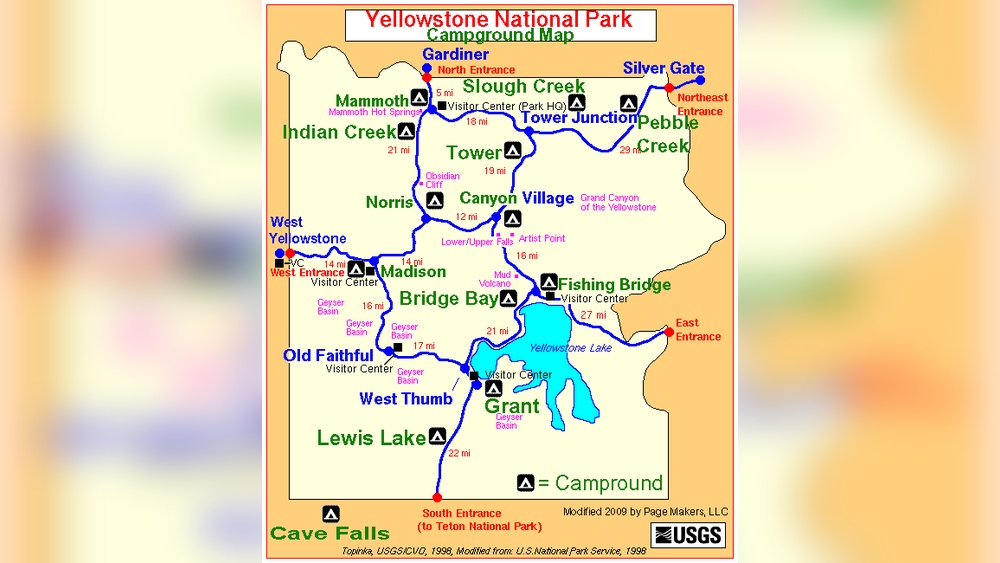
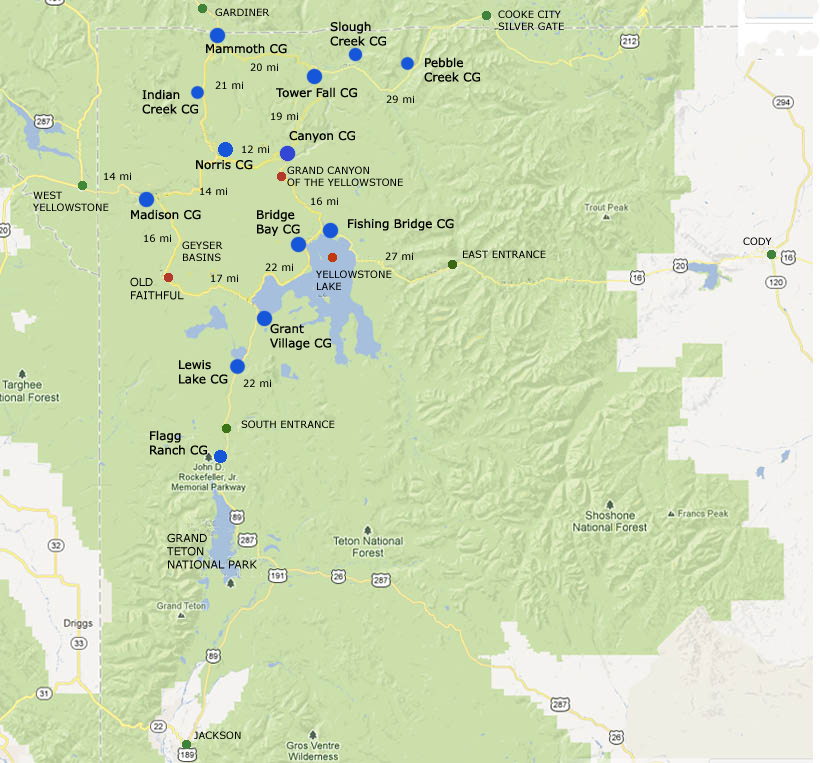
There are many campgrounds in Yellowstone. Some are big with many services. Others are quiet and small. Here are some popular spots:
| Campground | Location | Features | Best For |
|---|---|---|---|
| Mammoth Campground | North Entrance | Open year-round, flush toilets, near visitor center | Families and winter campers |
| Canyon Campground | Near Grand Canyon of Yellowstone | Flush toilets, showers, near hiking trails | Hikers and nature lovers |
| Grant Village Campground | South end, near Yellowstone Lake | Showers, near geyser basins and lake | Fishing and geyser fans |
| Bridge Bay Campground | Near Yellowstone Lake | Wooded and meadow sites, no showers, no cell service | Quiet camping, nature seekers |
| Fishing Bridge RV Park | Near Yellowstone Lake | Full hookups for RVs, no tent camping | RV travelers |
How Many Days to Camp in Yellowstone?
You need at least 3 to 4 days to enjoy camping here. Yellowstone is big. It takes time to see the main sights. You can stay longer if you want to explore more.
Try to plan your trip with time for hiking, wildlife watching, and relaxing.
Important Rules and Safety Tips
Yellowstone is a wild place. It is important to follow rules for your safety and the animals’ safety.
Food Storage
Bears live in the park. They can smell food from far away. Always store food, trash, and scented items in bear-proof boxes or inside your locked vehicle. Never leave food out in tents or near campfires.
Sleeping In Vehicles
You can sleep in your car or RV only if you have a campsite. It is not allowed to sleep on the road or in parking areas. Always stay inside your reserved spot.
Campfires
Campfires are allowed only in fire rings. Use wood bought inside the park. This helps stop harmful bugs from spreading. Never leave a fire unattended. Always put it out before sleeping or leaving.
Backcountry Camping
If you want a more wild experience, try backcountry camping. This means camping away from the main campgrounds in the park’s wilderness.
You need a permit to camp in the backcountry. This helps the park protect nature and keep campers safe.
Backcountry camping is for experienced campers. You must know how to handle bears and keep your food safe. It is also important to carry all trash out with you.
What to Bring for Camping in Yellowstone
Make a list before you go. Here are some essentials:
- Tent or RV gear
- Sleeping bags and mats
- Warm clothes and rain gear
- Food and water
- Bear spray and bear-proof containers
- First aid kit
- Flashlight or headlamp
- Map and compass or GPS
Remember, the weather in Yellowstone can change fast. It can be cold at night even in summer.
How to Book a Campsite
Yellowstone is very popular. Campgrounds fill up quickly, especially in summer.
Book your campsite early. You can do this online at Recreation.gov. Some campgrounds open for reservations five months before the date.
If you cannot book early, try for walk-up sites. Some campgrounds keep a few spots for visitors who come without reservations.
Tips for a Great Camping Trip
- Arrive early to get a good spot.
- Keep your campsite clean and free of food scraps.
- Respect quiet hours, usually after 10 pm.
- Watch for wildlife, but keep a safe distance.
- Follow all park rules to protect nature.
- Bring binoculars for animal watching.
- Plan your hikes during cooler parts of the day.
Exploring Yellowstone from Your Campsite
From camp, you can visit many places:
- Old Faithful Geyser
- Grand Prismatic Spring
- Yellowstone Lake
- Grand Canyon of Yellowstone
- Wildlife viewing areas
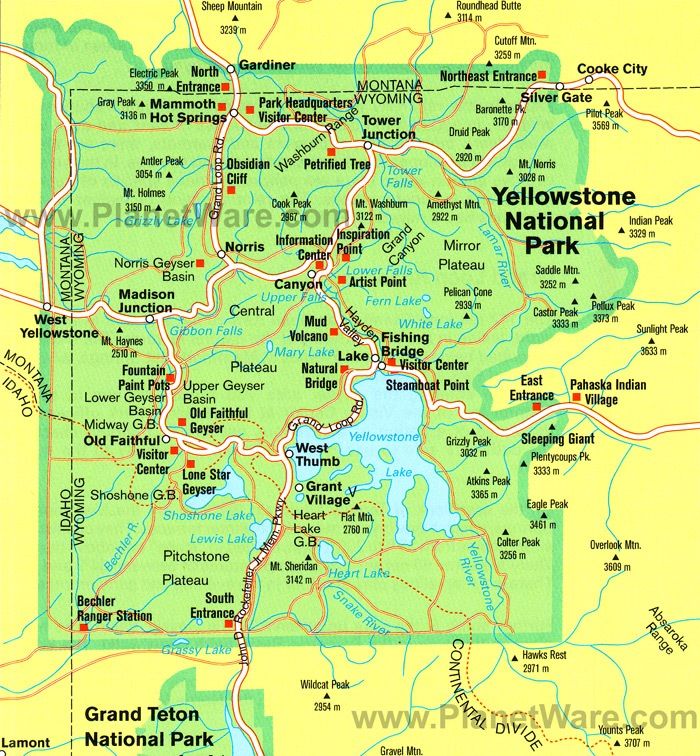
Use maps or park apps to find trails and points of interest. Rangers at visitor centers can give advice and updates.
Traveling with Large Vehicles or Trailers
If you have a large RV or trailer, check campground sizes before booking. Some sites are small and not good for big vehicles.
Drive carefully inside the park. Roads can be narrow with sharp turns. Be patient and watch for wildlife crossing.
Final Thoughts
Camping in Yellowstone is a wonderful way to enjoy nature. It offers a chance to see amazing landscapes and animals up close.
Plan ahead, follow rules, and respect the environment. Your trip will be safer and more fun this way.
Pack well, stay alert, and enjoy your time under the stars in this special place.
Frequently Asked Questions
What Is The Best Campground To Stay At In Yellowstone?
The best campground in Yellowstone is Bridge Bay for wooded sites and lake access. Mammoth Campground operates year-round near park attractions. Canyon Campground offers flush toilets and showers near the Grand Canyon of the Yellowstone. Reserve early for the best spots.
What Is The 200 Rule For Camping?
The 200 rule for camping means camping at least 200 feet away from water sources. This protects wildlife and preserves water quality. It helps prevent pollution and erosion near lakes, rivers, and streams. Following this rule ensures a safer and cleaner camping experience.
How Many Days To Camp In Yellowstone National Park?
Plan to camp in Yellowstone for 3 to 5 days to explore major sights and enjoy diverse campgrounds. This duration balances adventure with relaxation. Booking early secures popular sites like Canyon or Grant Village campgrounds. Longer stays offer better wildlife viewing and backcountry experiences.
What Are Common Mistakes To Avoid At Yellowstone National Park?
Common mistakes at Yellowstone include improper food storage, ignoring bear safety rules, camping outside designated sites, and using unapproved firewood. Avoid sleeping in vehicles outside reserved campsites and failing to book campgrounds early. Respect park regulations to ensure a safe, enjoyable visit.

Similar Posts