The Wealth of Nations Summary: Unlock Key Economic Insights Today
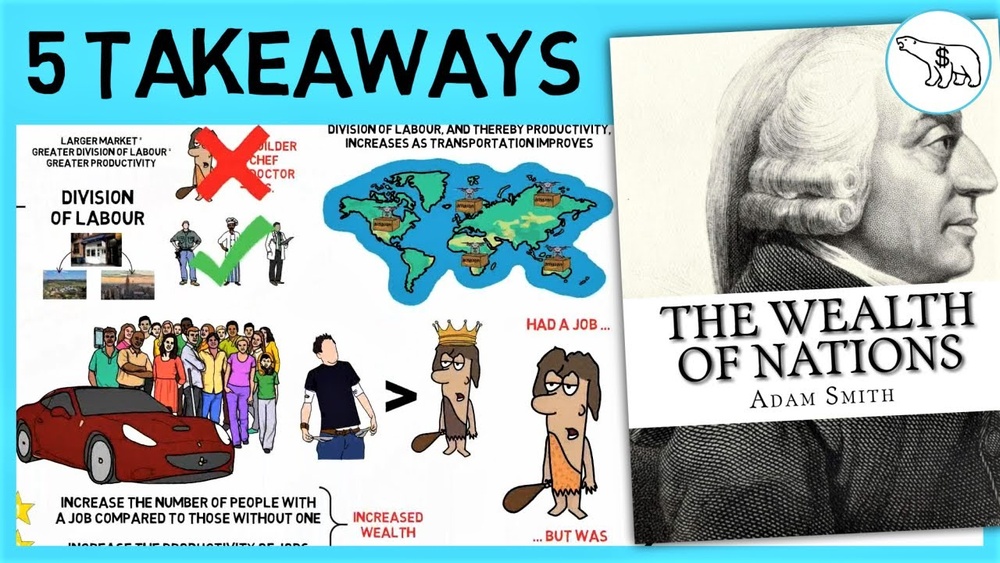
The Wealth of Nations is a famous book by Adam Smith. It was first published in 1776. The book talks about how countries grow rich. It explains how people work, trade, and create wealth.
This summary will help you understand the main ideas in simple words. It is for people who want to learn about economics but find the original book hard to read.
Who Was Adam Smith?
Adam Smith was a Scottish thinker. He is called the father of modern economics. His ideas changed how people think about money and trade.
Before Smith, many thought that a country’s wealth was just its gold and silver. Smith showed that wealth is more than that. It is about producing goods and services.

What Is The Wealth of Nations About?
The book explains how a nation becomes rich. It looks at work, trade, money, and government. Smith shares ideas that still influence economics today.
Key Ideas of The Wealth of Nations
Smith’s book has many ideas. Here are the most important ones:
1. Division Of Labor
Division of labor means breaking work into small parts. Each worker does one simple task. This helps people work faster and better.
For example, in a pin factory, one person cuts wire, another sharpens pins, and another packages them. This way, many pins are made quickly.
Smith says this is the main reason why countries become rich. When people specialize, they produce more goods.
2. The Invisible Hand
Smith talks about the “invisible hand.” It means people acting in their own interest help others too.
When someone wants to earn money, they sell things others want. This helps the market work well without much government control.
For example, a baker wants to sell bread to make money. But this also helps people get food. So, by helping themselves, people help society.
3. Free Markets And Trade
Smith supports free trade. He says trade without heavy rules helps everyone.
When countries trade freely, they get goods they need. They also sell what they make well.
Trade makes products cheaper and better. It helps countries grow richer together.
4. Self-interest Drives Economy
People work hard because they want to improve their lives. This self-interest leads to more production and innovation.
Smith believes this natural desire is good for the economy. It creates jobs and new products.
5. The Role Of Government
Smith thinks government should not control everything. But it must do some things.
- Protect the country from enemies
- Build roads, bridges, and other public works
- Provide justice and enforce laws
Government should not interfere in the market too much. Too many rules can harm businesses and slow down growth.
Why Is The Wealth of Nations Important?
This book changed how people think about economics. It moved ideas from royal control to free markets.
Many governments and economists still use Smith’s ideas today. They help explain how economies grow and work.
Summary of Main Lessons
| Lesson | Explanation |
|---|---|
| Division of Labor | Breaking work into simple tasks increases production. |
| The Invisible Hand | People’s self-interest helps the economy work well. |
| Free Trade | Trading freely benefits all countries involved. |
| Self-Interest | Working for personal gain leads to economic growth. |
| Government Role | Government should protect and provide public services, but not control markets. |

How Does Division of Labor Work?
Think about making a toy car. One person cuts the parts. Another paints them. Another puts the parts together.
If one person did all these steps, it would take more time. But dividing tasks helps make many toy cars quickly.
Workers become experts in their task. This raises quality and speed.
What Does The Invisible Hand Mean?
Imagine a market where many sellers offer goods. Each seller wants to make money.
They try to make better products and lower prices to attract buyers.
No one controls the market. Still, goods and services flow where needed. This is the invisible hand in action.
Government’s Role in Economy
Smith trusts markets but sees some government duties.
Without laws, markets can fail. People need protection from fraud and theft.
Governments also build roads and schools. These help business grow.
Criticism and Limitations
Some say Smith gave too much power to markets. They worry about poor people getting less help.
Others think government should do more in the economy.
Still, Smith’s ideas started the conversation about free markets and growth.
Frequently Asked Questions
What Is The Main Idea Of The Wealth Of Nations?
The Wealth of Nations explains that national wealth grows through division of labor and free markets. Self-interest guides economic activity, regulated by an “invisible hand” without heavy government control. Specialization boosts productivity, aligning individual goals with public benefit.
Is The Wealth Of Nations A Difficult Read?
The Wealth of Nations can be challenging due to its 18th-century language and complex economic concepts. Reading summaries helps simplify key ideas.
What Are The Three Principles Of Adam Smith?
Adam Smith’s three principles are division of labor, self-interest driving markets, and the invisible hand guiding economic activity. These principles explain productivity, market regulation, and wealth creation naturally.
What Are The Key Points Of The Wealth Of Nations?
The Wealth of Nations highlights the division of labor, self-interest driving markets, and the invisible hand regulating the economy. It stresses free markets’ role in wealth creation and limits government interference to essential functions only.
Conclusion
The Wealth of Nations is a key book about economics. It explains how work, trade, and markets create wealth.
Adam Smith’s ideas about division of labor and the invisible hand still matter today. They help us understand how countries grow richer.
Reading this book or its summary helps anyone learn about the economy in simple terms.
For those interested, many websites and videos offer easy explanations of this classic work.

Similar Posts