Tao Te Ching Summary: Unlock Ancient Wisdom for Modern Success
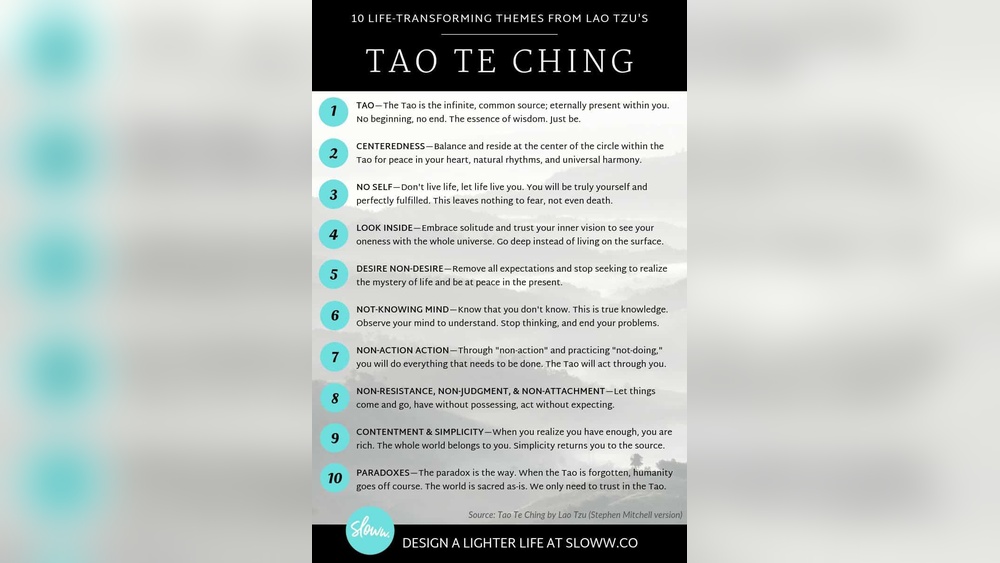
The Tao Te Ching is an ancient Chinese text. It was written by Lao Tzu. This book shares wisdom about life and nature. It teaches how to live simply and peacefully.
What Is the Tao Te Ching?
The name means “The Book of the Way and Its Power.” “Tao” means “the Way.” It is the natural order of the universe. It is the force behind everything that exists.
The book has 81 short chapters. Each chapter gives advice on how to follow the Tao. The advice is often poetic and full of meaning.
Main Ideas of the Tao Te Ching
The Tao Te Ching teaches many ideas. Here are some of the most important ones.
| Idea | Explanation |
|---|---|
| The Tao is Nameless | The Tao cannot be fully described in words. It is beyond names and labels. |
| Wu Wei (Non-Action) | Wu Wei means “effortless action.” It means to act naturally and without force. |
| Living Simply | Living with less desire leads to peace and happiness. |
| Harmony with Nature | People should live in balance with the natural world. |
| Humility and Compassion | Being humble and kind brings true strength. |
Understanding the Tao
The Tao is the source of all things. It is like a river flowing. You cannot see the river itself, but you see its effects. The Tao flows through everything. It is quiet and powerful.
The Tao Te Ching teaches us to follow this natural flow. When we do, life becomes easier. We stop fighting what is and accept things as they are.
Wu Wei: The Art of Non-Action
Wu Wei is a key concept. It means not forcing things. It is about moving with life, not against it.
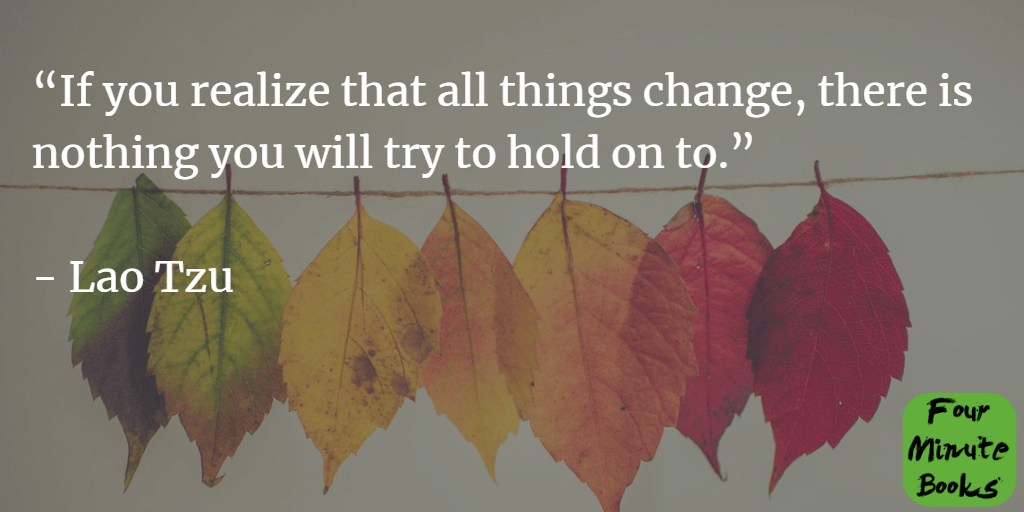
Imagine a leaf floating on water. It does not try to control the river. It just moves along with the flow. This is Wu Wei.
When we practice Wu Wei, we stop struggling. We do less but achieve more. It helps us find peace in chaos.
The Three Treasures: Compassion, Frugality, Humility
The Tao Te Ching highlights three virtues. These are called the “Three Treasures.”
- Compassion: Caring for others and being kind.
- Frugality: Using only what you need.
- Humility: Being modest and not proud.
These values help us live well with others. They keep us grounded and connected.
Living in Harmony with Others
The Tao Te Ching teaches that rulers and leaders should follow the Tao. Good leaders do not force people. Instead, they guide gently and with care.
When leaders use Wu Wei, people feel free. They work happily and without fear. This leads to peace and order.
Nature as a Teacher
Nature shows us how to live. Water is a favorite image in the Tao Te Ching.
Water is soft and weak. Yet it can wear down rocks. It flows to low places without struggle.
Like water, we should be flexible and humble. We should not fight life’s challenges. Instead, we should find ways to go around them.
The Tao and Simplicity
The Tao Te Ching says that simple life is best. When we want less, we feel more peace.
Modern life is often full of stress and noise. The Tao Te Ching invites us to slow down. To enjoy quiet moments. To be thankful for what we have.
Summary of Key Teachings
| Teaching | How It Helps You |
|---|---|
| Follow the natural way (Tao) | Find peace by living in harmony with life |
| Practice non-action (Wu Wei) | Reduce stress by not forcing things |
| Be humble and kind | Build strong relationships and inner strength |
| Live simply | Enjoy life more with less desire |
| Learn from nature | Grow flexible and strong like water |

Why Read the Tao Te Ching?
This book is helpful for many people. It offers wisdom for daily life. It shows how to live with less worry and more joy.
The Tao Te Ching is a guide to calmness. It teaches us to accept life’s changes. It helps us find balance in a busy world.
Even if you do not fully understand all parts, the book encourages quiet reflection. It makes you think about what is truly important.
Frequently Asked Questions
What Is The Main Message Of Tao Te Ching?
The main message of Tao Te Ching teaches living in harmony with the Tao, embracing simplicity, humility, and effortless action. It guides us to flow naturally with life’s rhythms for inner peace and balance.
Does Tao Believe In Jesus?
Taoism does not explicitly believe in Jesus. It focuses on living harmoniously with the Tao, the universe’s natural order. Taoist teachings and Jesus’ message share themes of compassion and humility but come from different spiritual traditions. Taoism offers a unique path to spiritual peace without centering on Jesus.
What Are The 5 Principles Of Taoism?
The five principles of Taoism are: Wu Wei (effortless action), naturalness, simplicity, compassion, and humility. They promote harmony with the Tao and balance in life. Taoism values living gently, embracing change, and practicing frugality to achieve spiritual peace and inner tranquility.
What Is The Tao Te Ching Explained Simply?
The Tao Te Ching teaches living simply, naturally, and harmoniously with the universe’s flow. It promotes humility, compassion, and effortless action. Lao Tzu’s wisdom guides inner peace and balance by embracing the Tao, the unseen essence behind all things. It inspires calmness and spiritual harmony.
Conclusion
The Tao Te Ching is a simple but deep book. It teaches us to live gently and wisely. It invites us to follow the natural flow of life.
By practicing its lessons, we can find peace inside. We can live with kindness, humility, and balance. The Tao Te Ching is a treasure for anyone seeking calm and meaning.

Similar Posts