Rocky Mountain National Park Travel Guide: Ultimate Tips & Must-See Spots
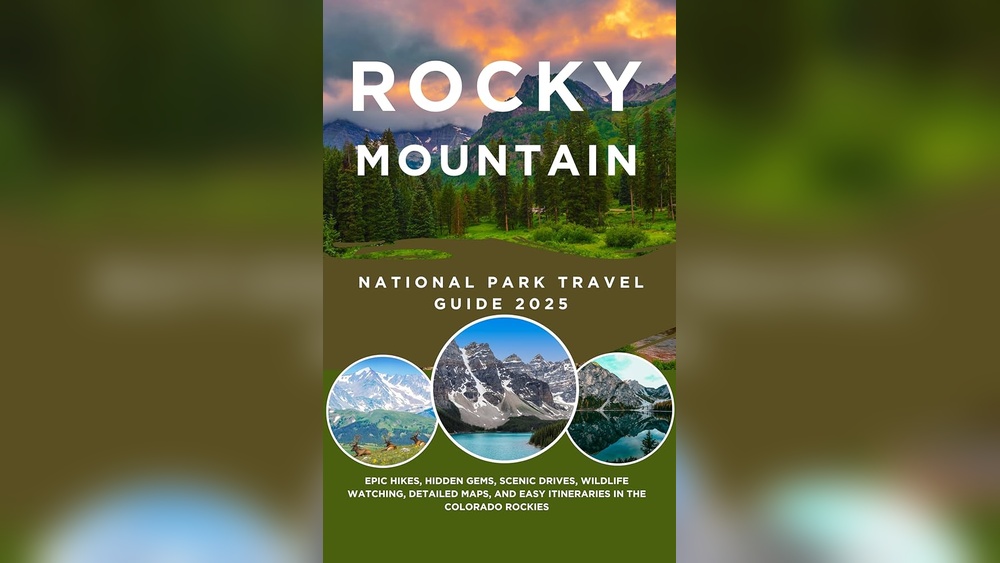
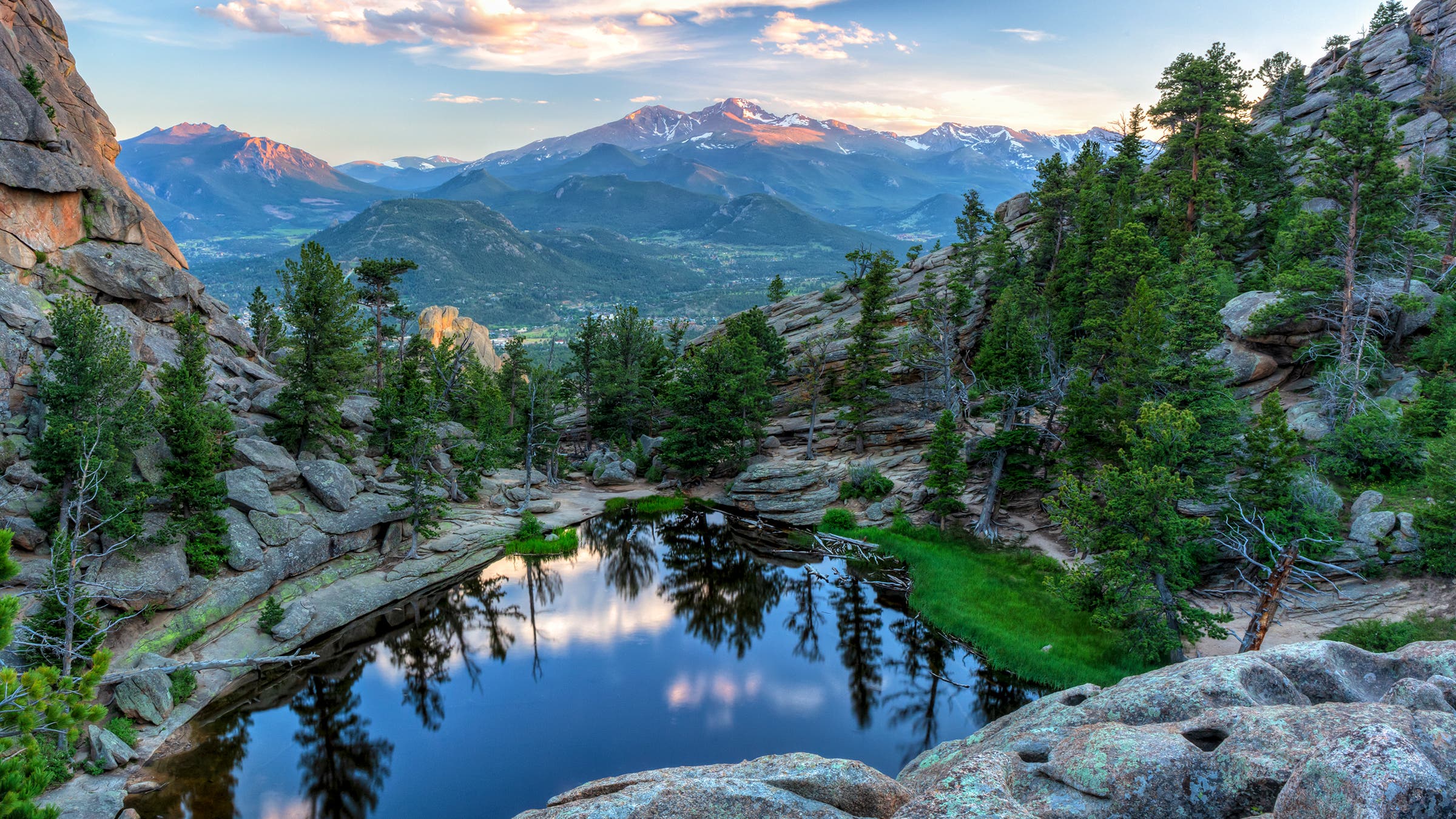
If you love nature, mountains, and fresh air, Rocky Mountain National Park is a great place to visit. It is one of the most beautiful parks in the United States. This guide will help you plan your trip with easy tips and ideas.
Where is Rocky Mountain National Park?
The park is in Colorado, near the town of Estes Park on the east side. On the west side, there is a smaller town called Grand Lake. Estes Park is busy with hotels, shops, and restaurants. Grand Lake is quieter and good for peace and nature.
Best Time to Visit
The park is open all year, but the best months to visit are from late May to early October. This is when the weather is warm and most roads are open. In winter, some parts close because of snow, but you can still enjoy snowshoeing and skiing.
- Spring (April-May): Snow melts and flowers start to bloom. Some trails might be wet or muddy.
- Summer (June-August): Warm weather, all trails open, but it is crowded. Book early.
- Fall (September-October): Beautiful fall colors and elk rut season. Cooler weather.
- Winter (November-March): Snowy and quiet, but many roads close. Great for winter sports.

How Many Days to Spend?
One day is enough to see some highlights. But two or three days lets you explore more trails and scenic spots. If you like hiking or photography, plan for longer.
Park Entrance and Fees
The park has two main entrances:
- Beaver Meadows Entrance: East side near Estes Park.
- Kawuneeche Entrance: West side near Grand Lake.
The entrance fee is $30 per vehicle and is valid for one week. You can also buy an annual pass for $35 if you plan to visit other national parks.
Important Travel Tips
- Arrive early, especially in summer. Parking fills fast.
- Check the weather forecast before your trip.
- Bring water, snacks, and sun protection.
- Wear good shoes for hiking.
- Respect wildlife. Do not feed or approach animals.
- Use the park map to plan your routes.
- Follow park rules and stay on marked trails.
Must-See Attractions & Activities
Bear Lake Area
This is a popular spot for visitors. It has easy trails for all ages. The Bear Lake loop is flat and wheelchair-friendly. From here, you can hike to Nymph, Dream, and Emerald lakes. These trails are short and offer beautiful views.
Trail Ridge Road
This is a scenic drive that crosses the park. It is one of the highest paved roads in the US. The road offers amazing views of mountains and valleys. It is usually open from late May to mid-October. Stop at the Alpine Visitor Center for snacks and pictures.
Wildlife Watching
Rocky Mountain National Park is home to many animals. Elk are often seen in Moraine Park, especially in the fall. You might also see bighorn sheep near Sheep Lakes. Early morning or late evening are the best times to spot wildlife.
Continental Divide And Alpine Ridge Trail
Walk the short Alpine Ridge Trail near the Alpine Visitor Center. It offers wide views of the tundra and mountain peaks. This area is above 12,000 feet in elevation, so take it slow and breathe well.
Hiking Trails
The park has over 350 miles of hiking trails. Here are some popular ones:
| Trail Name | Difficulty | Distance (Round Trip) | Highlights |
|---|---|---|---|
| Bear Lake Loop | Easy | 0.6 miles | Lake views, flat trail |
| Emerald Lake Trail | Moderate | 3.6 miles | Mountain lakes and waterfalls |
| Alberta Falls | Easy | 1.6 miles | Beautiful waterfall |
| Longs Peak (Keyhole Route) | Hard | 15 miles | Summit hike, requires experience |
Where to Stay
Most visitors stay in Estes Park. It has many hotels, motels, and cabins. Book your room early, especially in summer. Grand Lake is a quieter option with fewer places to stay but nice scenery.
Visitor Centers
The park has two main visitor centers:
- Beaver Meadows Visitor Center: Located near the east entrance. It has maps, information, and ranger talks.
- Kawuneeche Visitor Center: Near the west entrance. Good for information about the quieter side.
Park Rules and Safety
- Stay on marked trails to protect plants and avoid danger.
- Do not feed or touch wild animals.
- Carry bear spray if you hike in remote areas.
- Pack out all trash and keep the park clean.
- Be careful at high altitudes. Rest often.
Special Notes
The park uses a timed-entry permit system from May to October. This helps reduce crowding. Check the National Park website before your trip. You may need to book a permit online for certain areas.
Summary
Rocky Mountain National Park is a place full of beauty and adventure. Whether you want to hike, drive, or watch animals, the park offers something for everyone. Plan your trip with this guide, and enjoy your time in the mountains.
Remember to respect nature, stay safe, and have fun!
Frequently Asked Questions
How Many Days Are Enough For Rocky Mountain National Park?
Two to three days are ideal to explore Rocky Mountain National Park fully. This allows time for hiking, wildlife viewing, and scenic drives. A one-day visit covers highlights but feels rushed. Longer stays let you enjoy hidden trails and peaceful nature experiences.
What Is The Best Guide To Rocky Mountain National Park?
Erik Stensland’s *Hiking Rocky Mountain National Park: The Essential Guide* offers detailed trail descriptions, maps, and updated mileages. It suits both novice and avid hikers seeking comprehensive park information. This guide is highly recommended for exploring Rocky Mountain National Park efficiently and safely.

Similar Posts