The Moai statues on Easter Island are famous worldwide. These huge stone figures have a mysterious past. Many people want to know how they were made and moved. This guide will explain everything in a simple way.
What Are Moai Statues?
Moai are large stone statues found only on Easter Island. The island is in the Pacific Ocean. The statues were carved by the Rapa Nui people hundreds of years ago. Each Moai has a big head and a long face. Some statues are more than 30 feet tall!
Most Moai look like humans with strong features. They have big noses, deep eyes, and thick lips. Some even have carved ears. People believe these statues were made to honor important ancestors.
Where Is Easter Island?
Easter Island is very far from other lands. It is part of Chile, a country in South America. The island is small and has many volcanoes. One volcano called Rano Raraku is special. It was the main place where Moai were carved.

How Were Moai Made?
The Moai statues were carved from volcanic rock called tuff. This rock is soft and easier to carve than other stones. The Rapa Nui people used simple tools made from harder stones. They chipped away the rock little by little.
Carving a Moai was hard work. It took many months or even years. The statues were carved directly on the slopes of the Rano Raraku volcano. Many statues were left unfinished in the quarry.
Steps To Make A Moai
- First, the basic shape was carved from the rock.
- Then, details like the face and hands were added.
- Some statues have bodies buried underground, not just heads.
- Finally, the Moai were carefully moved to their special platforms called ahu.
How Were Moai Moved?
Moving the Moai was a big challenge. Some statues weigh over 80 tons. Scientists and archaeologists have studied this for years.
One popular idea is that the Rapa Nui people used wooden sledges or logs to roll the statues. Others believe they “walked” the statues by rocking them side to side. This method might explain how they moved the statues over long distances.
Today, some experts try to recreate these methods to see what worked best. It’s clear the Rapa Nui people used a lot of teamwork and skill.
Why Were Moai Made?
The Moai statues were made to honor ancestors and chiefs. The Rapa Nui believed these figures held spiritual power. They thought the statues could protect their villages and bring good fortune.
Most Moai face inland, looking over the villages. This shows they watched over the people. Some statues face the ocean, but these are fewer in number.
The Eyes Of The Moai
The Moai had eyes made from coral and stone. When the eyes were placed, it was believed the statue came to life. This gave the Moai its spiritual power. The eyes were like an “on/off” switch for the statue’s spirit.
Where Can You See Moai Statues?
Most Moai remain on Easter Island. Some famous places to visit include:
| Location | What You Will See |
|---|---|
| Rano Raraku Quarry | Hundreds of Moai in different stages of carving |
| Ahu Tongariki | Largest group of restored Moai statues on a platform |
| Ahu Nau Nau | Well-preserved Moai with detailed features |
Visiting these sites offers a close look at the statues and their history.
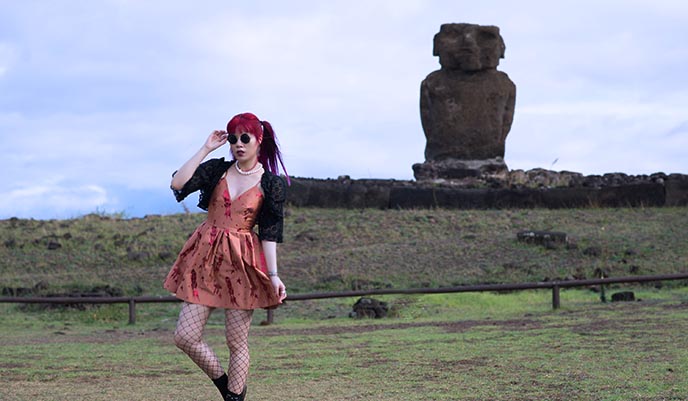
Why Did Some Moai Fall?
Many Moai fell over time. Natural causes like earthquakes and erosion played a role. Also, wars between island clans caused damage. Some statues were toppled during fights.
Today, efforts are made to restore and protect the Moai. Local people and experts work together to keep the statues safe.
Interesting Facts About Moai Statues
- There are nearly 1,000 Moai on Easter Island.
- The tallest Moai is about 33 feet tall.
- Some Moai weigh up to 82 tons.
- Many Moai have bodies buried underground.
- The Moai were carved between 1250 and 1500 AD.
How to Respect the Moai Statues
The Moai are very important to the Rapa Nui people. Visitors should respect the statues and local customs. Touching the statues is usually not allowed. This helps protect them from damage.
When visiting Easter Island, follow rules and listen to guides. This helps keep the statues safe for future generations.
The Mystery of Moai Statues
The Moai still hold many secrets. Scientists continue to learn more about them. How exactly they were moved and carved remains a puzzle. The statues remind us of the skill and culture of the Rapa Nui people.
Visiting Easter Island is like stepping back in time. The Moai stand as silent witnesses to a long-lost world.
Summary
The Moai statues are incredible stone figures on Easter Island. They were carved from volcanic rock by the Rapa Nui people. The statues were made to honor ancestors and protect villages. Moving these giant statues was a big task that required skill.
Today, the Moai remain a symbol of mystery and history. Visiting the island offers a chance to see these amazing statues up close. Remember to respect the Moai and the culture behind them.
Now you know the story of the Moai statues. Next time you see a picture, you will understand more. These stone giants connect us to a distant past full of wonder.
Frequently Asked Questions
Why Can’t You Touch Moai?
You can’t touch Moai statues to protect their fragile volcanic stone from damage and erosion. Respecting cultural heritage preserves their history.
What Do The Moai Statues Represent?
Moai statues represent ancestral chiefs and important leaders of the Rapa Nui people. They symbolize protection and spiritual power.
Which Way Are The Moai Statues Facing?
The Moai statues mostly face inland, watching over villages. A few face the sea, guarding against threats.
Why Did They Stop Making Moai?
They stopped making Moai due to resource depletion and social conflicts on Easter Island. Environmental strain made carving impossible.