Hawaii Volcanoes National Park Travel Guide: Ultimate Adventure Tips
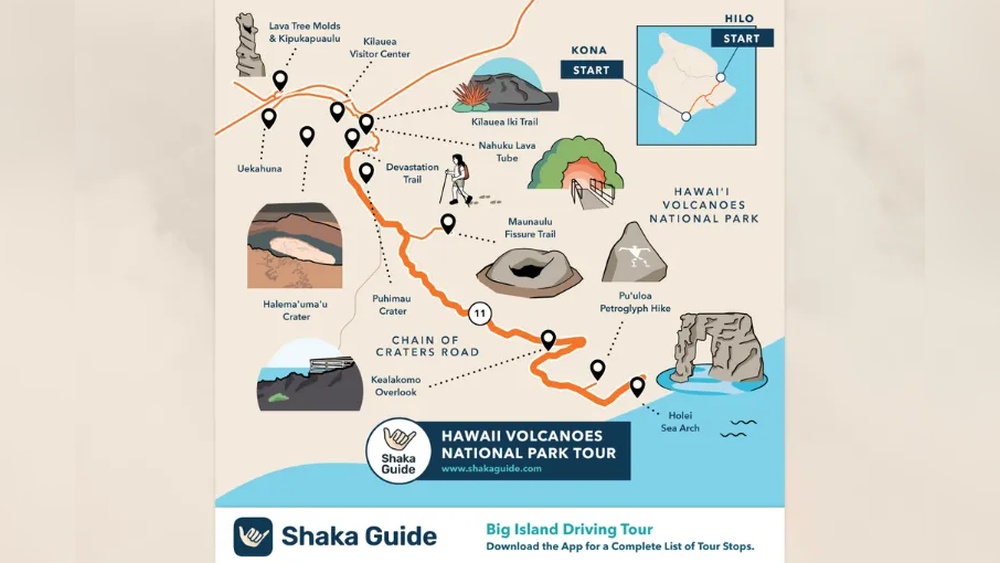
Hawaii Volcanoes National Park is a special place on the Big Island. It is famous for its active volcanoes and beautiful nature. This guide will help you plan your trip to the park. You will learn about the main sights, how to prepare, and how to enjoy your visit safely.
About Hawaii Volcanoes National Park
The park covers more than 300,000 acres. It has two big volcanoes: Mauna Loa and Kīlauea. Mauna Loa is the largest volcano on Earth. Kīlauea is one of the most active volcanoes in the world. The park shows how new land is made by lava flows. You can see steam vents, lava tubes, and volcanic craters.
The park is also home to many plants and animals. Some live only in this part of Hawaii. The landscape changes all the time because of the volcanoes. The park is special for science, culture, and adventure.
Top Things to Do in the Park
There are many ways to explore the park. Here are some of the best things to see and do:
- Crater Rim Drive: This is a scenic road that circles the Kīlauea caldera. You can stop at viewpoints to see steam vents and colorful volcanic rocks. The Kīlauea Overlook offers a great view of the big crater. The Sulphur Banks trail takes you close to yellow and green steam vents.
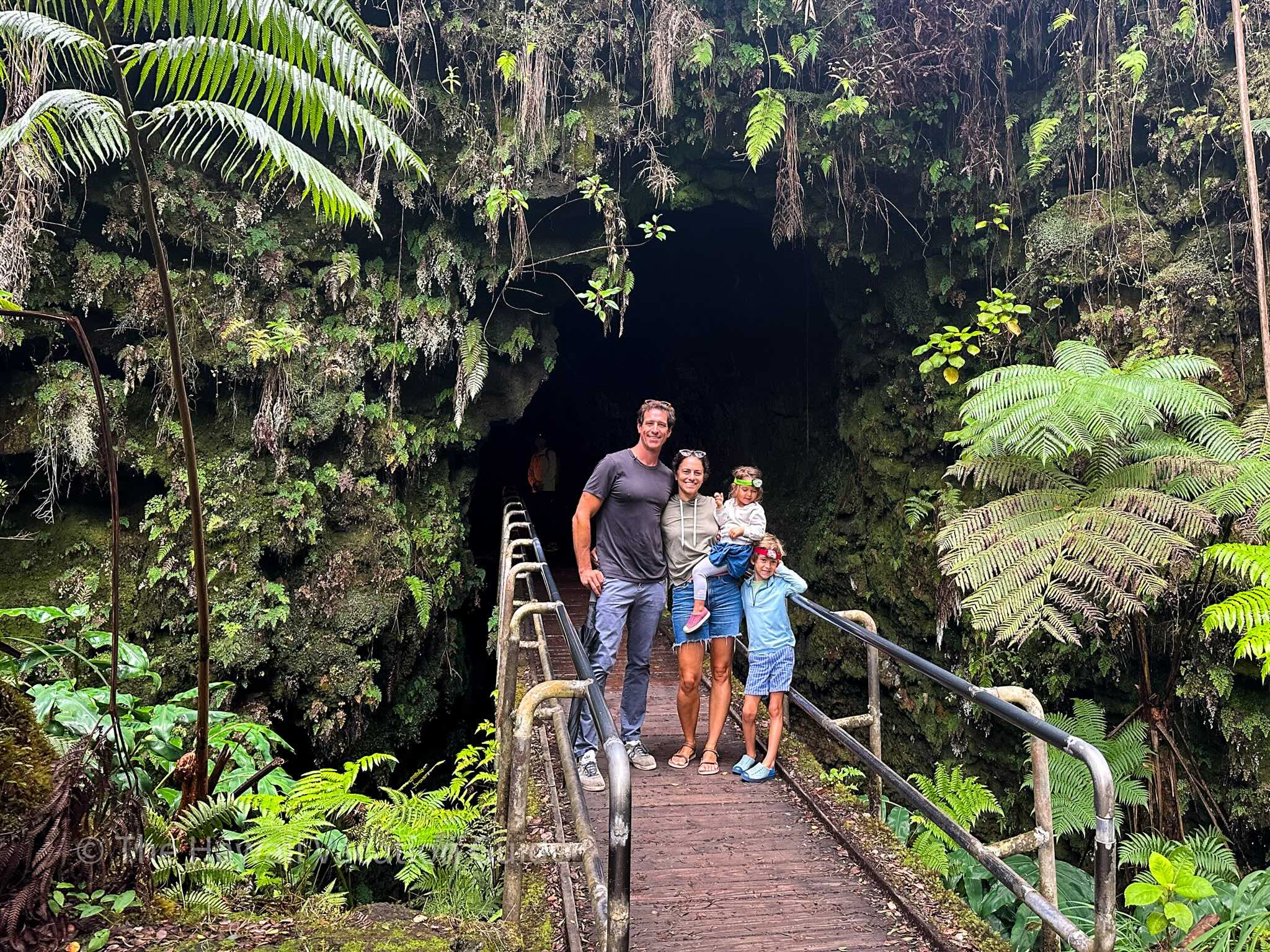
- Nāhuku (Thurston Lava Tube): Walk inside an ancient lava tunnel. The path is lit and easy to walk. Around the tube, you will find a green forest with ferns and tropical plants. It feels like a magical underground world.
- Chain of Craters Road: Drive down this road to see lava flows that reached the sea. You can walk to where the lava entered the ocean and created new land. Along the way, look for petroglyphs and old craters.
- Kīlauea Iki Trail: This is a popular hiking trail. It is about four miles long and goes down into a crater floor. You can see old lava and steam vents. The trail offers a close look at volcanic activity.
- Visitor Centers: Visit the Kīlauea Visitor Center or the Jaggar Museum. Here, you can learn about volcanoes and the park’s history. Rangers often give talks and answer questions.
Planning Your Visit
Good planning makes your trip better. Here are some tips to prepare for your visit:
| Topic | Details |
|---|---|
| When to Visit | Spring (April to June) is mild and less busy. Summer can be warm and lush. Check current volcanic activity before you go. |
| What to Pack | Bring sturdy shoes for walking. Pack a rain jacket and layers for cooler weather. Carry water and snacks. A flashlight or headlamp is useful for lava tubes. |
| Where to Start | Check the National Park Service website for visitor center hours. Some areas may be closed due to volcanic activity or repairs. |
| Safety | Stay on marked trails. Follow park rules. Volcanic gases can be harmful. Avoid areas with strong smells or warning signs. |
Respect the Land
Hawaiian people value this land deeply. The park is sacred to many Native Hawaiians. It is important to care for the environment while visiting. Here are ways to respect the land:
- Stay on marked trails to protect plants and animals.
- Do not move or stack rocks. This can damage the natural balance.
- Take your trash with you. Keep the park clean for others.
- Learn about Hawaiian culture and history to understand the land better.
Volcanic Activity Updates
Volcanoes can change quickly. The park’s trails and roads may close suddenly. Before you visit, check the United States Geological Survey (USGS) Kīlauea updates. They provide daily information about eruptions and volcanic gases (vog). This helps you stay safe and enjoy the park fully.
Sample Itinerary for a Day Visit
If you have only one day in the park, here is a simple plan to see the highlights:
- Start at the Kīlauea Visitor Center to get maps and advice.
- Drive the Crater Rim Drive and stop at the Kīlauea Overlook.
- Walk through the Nāhuku (Thurston Lava Tube).
- Take the Kīlauea Iki Trail if you like hiking.
- Drive down Chain of Craters Road to see the ocean lava flows.
- Visit the Jaggar Museum for more information about volcanoes.

Tips for Families and Kids
The park is great for families. Here are some tips to make your trip fun and safe:
- Keep children close near steep or rocky areas.
- Bring snacks and water for breaks.
- Use a flashlight for exploring lava tubes.
- Talk about volcanoes and nature to make the trip educational.
- Take photos but do not touch lava rocks. They can be sharp.
Where to Stay Near the Park
There are hotels and lodges near the park entrance. Staying nearby lets you start early. It also gives you more time to explore. The nearby town of Volcano has places to eat and shop. You can also stay in Hilo or Kona, which are larger towns on the island.
Final Thoughts
Hawaii Volcanoes National Park offers a unique adventure. It is a place to see nature’s power and beauty. The park changes all the time, so every visit is new. Whether you like hiking, sightseeing, or learning about volcanoes, this park has something for you.
Remember to plan well, respect the land, and stay safe. Enjoy your journey to one of Hawaii’s most amazing places.
Frequently Asked Questions
What Are The Must-see Sights In Hawaii Volcanoes National Park?
Key sights include Kīlauea caldera, Nāhuku lava tube, and Chain of Craters Road. These spots showcase unique volcanic features and scenic views.
How Long Is The Crater Rim Drive Loop?
Crater Rim Drive is about 11 miles long and offers many scenic stops. It takes around 1-2 hours depending on how often you stop.
Is The Nāhuku (thurston Lava Tube) Easy To Walk Through?
Yes, the lava tube has a smooth path and is well lit. It’s suitable for all ages and offers a cool, underground experience.
What Should I Pack For A Visit To The Park?
Bring sturdy shoes, a rain jacket, layered clothes, and water. A flashlight or headlamp is useful for walking through the lava tube.

Similar Posts