Algonquin Park Travel Guide: Ultimate Tips for an Unforgettable Adventure
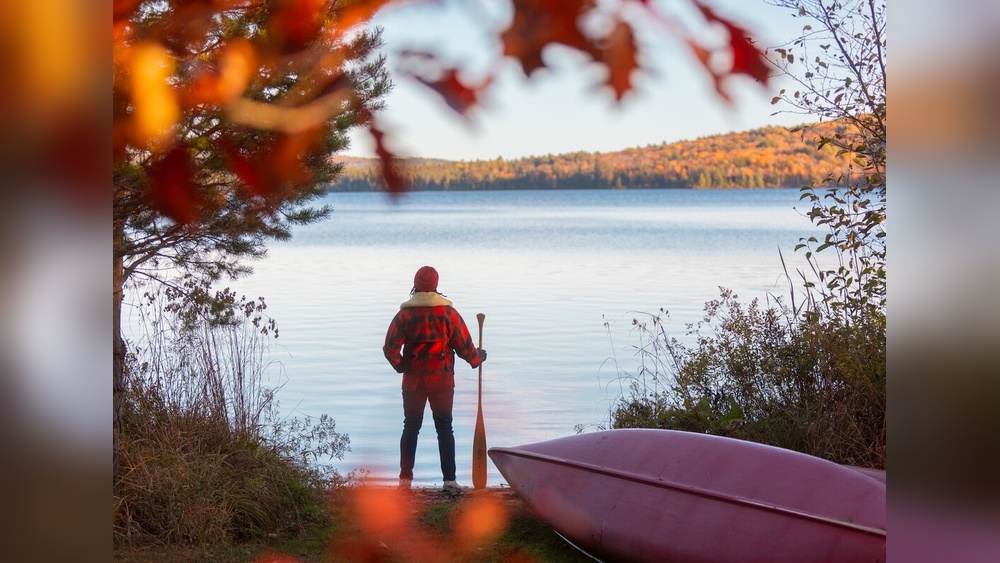
Algonquin Provincial Park is one of Canada’s most famous parks. It is located in Ontario. Many visitors come here for its nature and outdoor fun. This guide will help you plan your trip easily and enjoy your visit.
Where Is Algonquin Park?
Algonquin Park is in Ontario, Canada. It is about 3 hours north of Toronto by car. The park is large, covering over 7,600 square kilometers. It has forests, lakes, and rivers. It is a great place to explore nature.
Best Time to Visit Algonquin Park
The park is open all year, but some times are better than others. The best time to visit is from late spring to early fall. From May to October, the weather is mild. You can hike, canoe, and camp comfortably.
- Spring (May-June): Trees and flowers bloom. Animals become active.
- Summer (July-August): Warm weather. Great for swimming and canoeing.
- Fall (September-October): Leaves change color. Beautiful views.
- Winter (November-April): Cold and snowy. Good for skiing and snowshoeing.
How to Get There
You can drive to Algonquin Park easily. The main road is Highway 60. It runs through the park’s center. Many visitors enter the park this way.
You can also take a bus or a tour from nearby cities. But most people prefer to drive. It gives more freedom to explore.

Can You Drive Through Algonquin Park?
Yes, you can drive through the park on Highway 60. The road is paved and safe. It has many parking spots for hiking and sightseeing. You cannot drive off-road or on park trails.

Wildlife in Algonquin Park
Algonquin Park is home to many animals. You may see deer, moose, beavers, and many birds. Black bears live in the park, but not grizzly bears. Black bears are shy and avoid people.
It is important to stay safe around bears. Keep your food in bear-proof containers. Do not feed or approach wild animals. Many visitors carry bear spray for safety.
What to Do in Algonquin Park
The park offers many activities for nature lovers. Here are some popular things to do:
1. Canoeing
Algonquin Park is famous for canoeing. There are many lakes and rivers to explore. You can rent a canoe inside the park. Some people bring their own canoes too.
There are canoe routes for beginners and experts. Some routes take one day, others several days. Camping on islands or near lakes is common during canoe trips.
2. Hiking
The park has many hiking trails. Trails vary in length and difficulty. Some trails lead to beautiful lookouts or waterfalls. Hiking is a great way to see wildlife and nature.
3. Camping
Camping is very popular in Algonquin Park. There are many campgrounds with services. Some campgrounds are near the road, called frontcountry camping.
You can also do backcountry camping. This means hiking or canoeing to a remote site. You must bring all your gear and food. It is more adventurous but very rewarding.
4. Wildlife Watching
Bring binoculars and a camera. Watch for birds, moose, and other animals. Early morning and evening are the best times.
5. Winter Activities
In winter, the park is quiet and snowy. You can ski, snowshoe, and snowmobile. Make sure to check weather and trail conditions.
Best Areas to Visit in Algonquin Park
The park is big, so some areas are better for visitors. Here are some popular spots:
| Area | Why Visit | Activities |
|---|---|---|
| Highway 60 Corridor | Easy access and visitor centers | Hiking, camping, wildlife watching |
| East Gate | Quiet, less crowded | Backcountry camping, canoeing |
| West Gate | More developed, family-friendly | Frontcountry camping, hiking |
| Lake Opeongo | Largest lake in the park | Canoeing, fishing, island camping |
Where to Stay
You have many choices for staying in Algonquin Park:

Similar Posts