On the Origin of Species Summary: Unlocking Darwin’s Evolution Secrets
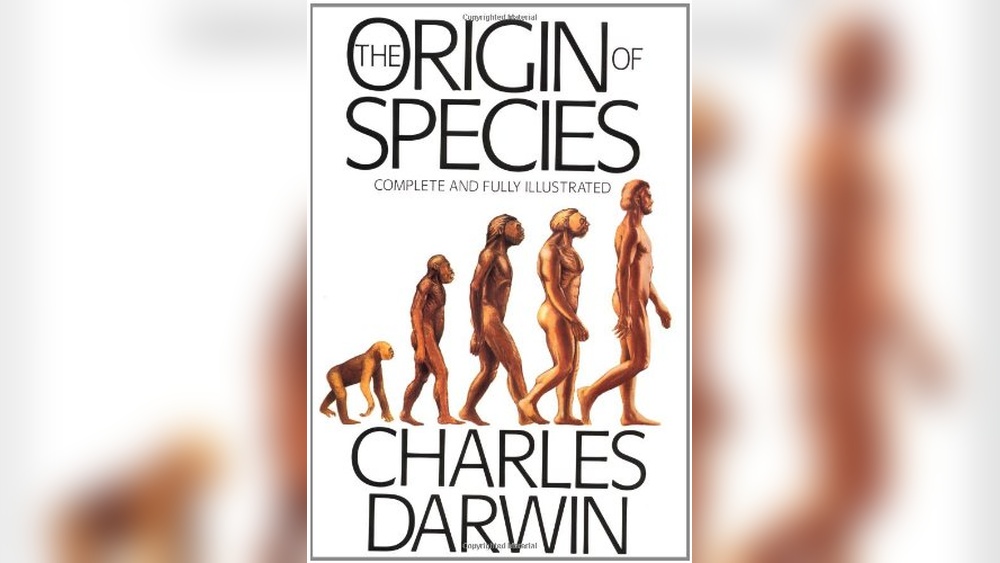
On the Origin of Species is a famous book by Charles Darwin. It explains how animals and plants change over time. This process is called evolution. Darwin’s ideas changed how people see the world. Here is a simple summary of his main points.
Who Was Charles Darwin?
Charles Darwin was a natural scientist from England. In the 1800s, he traveled around the world on a ship called the HMS Beagle. During his trip, he saw many different animals and plants. He noticed that some animals were similar but had small differences. This made him think about how species change.

The Big Idea: Evolution by Natural Selection
Darwin’s main idea is called natural selection. It means that animals and plants change because of their environment. Here are the key points:
- More babies are born than can survive. For example, a bird may lay 10 eggs, but only 3 chicks survive.
- There is a struggle for survival. Animals must compete for food, water, and space.
- Not all individuals are the same. Some have small differences that help them survive better.
- Those with helpful traits live longer and have more babies. This is called “survival of the fittest.”
- Helpful traits are passed to the next generation. Over many generations, species change.
How Does Natural Selection Work?
Imagine a group of rabbits living in a forest. Some rabbits have brown fur, others have white fur. If the forest has many brown trees and soil, the brown rabbits are harder to see. This helps them hide from predators. The white rabbits are easy to spot and get eaten more often.
Because brown rabbits survive more, they have more babies. Over time, the rabbit population will have mostly brown fur. This is natural selection in action. The environment “selects” the best traits.
Variation Within Species
Darwin saw that no two animals are exactly alike. There are small differences in size, color, or behavior. These differences are called variations. Some variations help animals survive better. Others do not help or can even be harmful.
Variations come from random changes in genes. These changes are passed from parents to babies. Over time, helpful variations build up in a population. This leads to new species.
Struggle for Existence
Darwin noticed that all living things produce more offspring than can survive. For example, a fish lays thousands of eggs, but only a few become adult fish. This means there is a constant struggle for food and space.
Only the strongest and best-adapted survive. This struggle helps nature “choose” which traits are good.
Common Ancestors and Species Change
Darwin believed that all living things come from common ancestors. This means that long ago, one species gave rise to many others. Over millions of years, small changes add up. This process creates new species.
For example, dogs, wolves, and foxes share a common ancestor. They look different now but are related through evolution.
/1859_Origin_F373_225.jpg)
Evidence Darwin Used
Darwin used many examples to support his ideas:
| Type of Evidence | Example | What It Shows |
|---|---|---|
| Fossils | Old bones of extinct animals | Species change over time and some disappear |
| Geography | Different species on islands | Species adapt to different environments |
| Comparative Anatomy | Similar bones in different animals | Common ancestors share body parts |
| Embryology | Similar early stages of animal development | Shows relatedness among species |
| Observations | Changes in animals seen in nature | Natural selection happens in real life |
Why Is This Book Important?
Before Darwin, many people believed species never changed. They thought all animals and plants were created as they are now. Darwin’s book showed that change happens naturally. This helped science understand life better.
His ideas also affected many fields like biology, medicine, and ecology. Evolution explains why animals have certain traits and how life adapts to the Earth.
Common Misunderstandings
- Darwin did not say humans came from monkeys.
- He said humans and monkeys share a common ancestor.
- Evolution is slow and takes many generations.
- It is not about “survival of the strongest” but “best fit.”
Summary of Main Points
- All species produce more offspring than can survive.
- There is a struggle to live because resources are limited.
- Individuals in a species have small differences.
- Helpful differences help survival and reproduction.
- These traits pass to the next generation.
- Species change over many generations.
- All life shares common ancestors.
Final Thoughts
On the Origin of Species explains how life changes over time. It shows that nature selects the best traits. This process is called natural selection. It leads to new species and the diversity of life we see today.
Darwin’s work is still important today. Scientists continue to study evolution to learn more about life on Earth. Understanding these ideas helps us protect nature and our future.
Frequently Asked Questions
What Are The Main Points Of The Origin Of Species?
The Origin of Species explains natural selection, survival struggle due to limited resources, and species’ adaptation. All life shares common ancestors. Variations in traits help some survive and reproduce, driving evolution and new species formation over time.
What Is The Summary Of On The Origin Of Species?
On the Origin of Species explains how species evolve through natural selection. Organisms with beneficial traits survive, reproduce, and pass traits on. Limited resources cause a struggle for existence. All life shares common ancestors, and species gradually adapt or face extinction.
Did Charles Darwin Believe In Jesus?
Charles Darwin struggled with traditional Christian beliefs and gradually doubted Jesus’ divinity. He identified more as agnostic later in life.
Is It Worth Reading On The Origin Of Species?
Yes, reading *On the Origin of Species* offers valuable insight into evolution and natural selection. It shapes modern biology and deepens understanding of life’s diversity.

Similar Posts