Moai Statues Guide: Uncover Easter Island’s Ancient Secrets
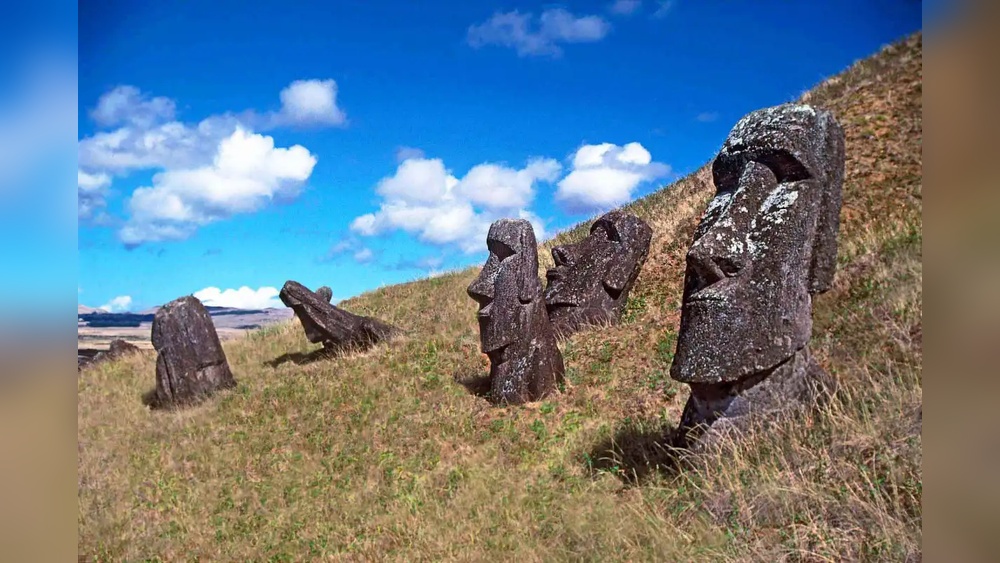
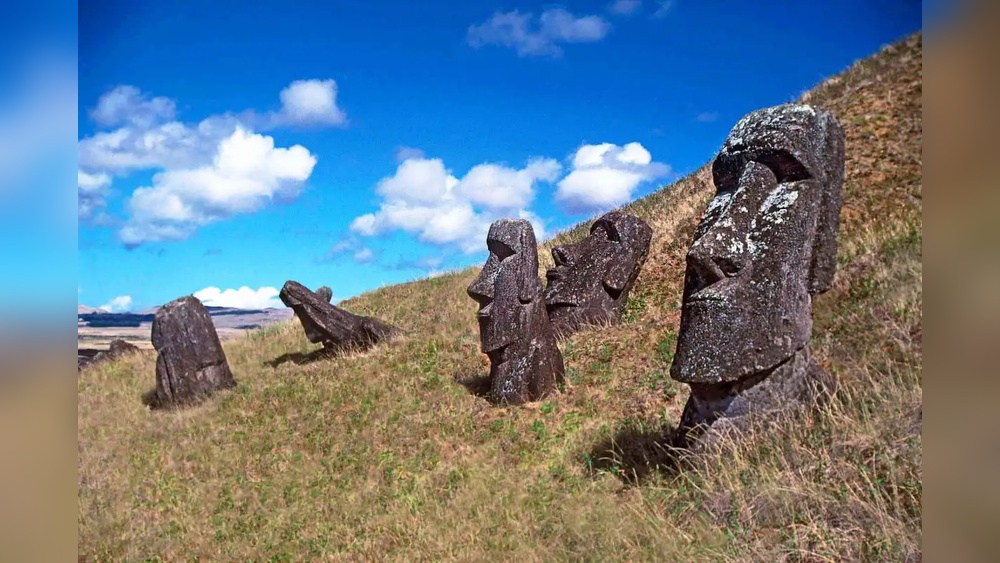
The Moai statues are one of the most famous sights in the world. They stand tall on Easter Island, also called Rapa Nui. These statues have a deep history and many mysteries.
What Are Moai Statues?
Moai are large stone statues made by the people of Easter Island. They look like big human heads with long faces. Some statues have bodies too, but many are just heads. These statues are made from volcanic rock.
The Moai were carved between 1100 and 1600 AD. The people who made them were called the Rapa Nui. They built many Moai to honor their ancestors.
Where Is Easter Island?
Easter Island is in the Pacific Ocean. It is very far from other places. The closest large land is Chile in South America. Easter Island is part of Chile now.
The island is small, about 63 square miles. It is famous for its Moai statues and beautiful nature.
How Were the Moai Made?
The Moai were carved from volcanic tuff. This is a soft rock found on the island. The main quarry was at a place called Rano Raraku. This is where most Moai statues were made.
Carving the Moai took many years. The Rapa Nui used stone tools to shape the statues. They carved the faces, heads, and sometimes bodies. Each statue is different and has unique features.
Moving the Moai Statues
One big mystery is how the Rapa Nui moved the heavy statues. Some statues weigh up to 80 tons. The islanders did not have wheels or big machines.
Experts believe they used ropes and logs to move the Moai. Some think the statues were “walked” by rocking them side to side. This idea comes from old stories and experiments.
Many Moai were moved from the quarry to the places where they stand today. These places are called “Ahu” and are stone platforms along the coast.
What Do Moai Statues Represent?
The Moai statues represent ancestors and important leaders. The Rapa Nui believed the statues held spiritual power. This power was called “mana.”
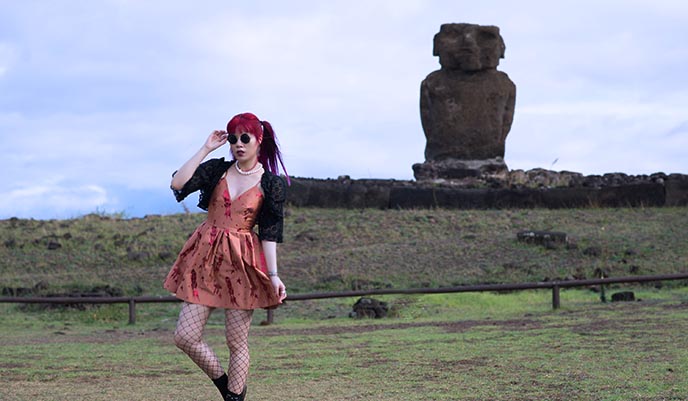
The statues faced inland, watching over the villages. This showed respect and protection for the people. Some statues have coral eyes added later to bring them to life.

The Eyes of the Moai
When the Moai had coral eyes, they were said to be alive with spirit power. The eyes were added after the statues were placed on the platforms.
Without eyes, the Moai were just stone. The eyes turned them into protectors of the island.
Why Did Moai Production Stop?
At some point, the Rapa Nui stopped making Moai. This may be because of changes in their society and environment. Trees were cut down, making it hard to move statues.
Also, wars and conflicts among islanders may have caused the end of Moai building. Some statues were toppled during these times.
Famous Moai Sites on Easter Island
There are many places to see Moai on Easter Island. Here are three top spots:
- Rano Raraku Quarry: The place where Moai were carved. Many statues still lie here, some half-finished.
- Ahu Tongariki: The largest site with 15 standing Moai in a row. It is a powerful and beautiful place.
- Ahu Nau Nau: Found on Anakena Beach. This site has colorful Moai with coral eyes.
Moai Statues Today
Today, the Moai statues are protected by the Chilean government and UNESCO. They are a symbol of the island’s culture and history.
Tourists come from all over the world to see them. Visitors learn about the Rapa Nui and their amazing work.
Interesting Facts About Moai Statues
| Fact | Detail |
|---|---|
| Number of Moai | About 900 statues are found on the island. |
| Largest Moai | Nearly 33 feet tall and weighs 82 tons. |
| Moai Faces | Most Moai look inland toward villages. |
| Material | Made mostly from volcanic tuff, a soft rock. |
| Carving Tools | Stone tools called toki were used. |
Visiting Easter Island
If you want to visit Easter Island, plan ahead. The island is small, and hotels are limited. The best time to visit is from October to April.
Guides are available to show you the Moai and explain their history. They help visitors understand the island’s culture.
Why Are Moai Important?
Moai statues are more than stones. They tell stories of the Rapa Nui people. They show their skills, beliefs, and history.
These statues remind us about respecting nature and culture. They are a link to the past.
Frequently Asked Questions
Why Can’t You Touch Moai?
You can’t touch Moai to protect their fragile volcanic stone from damage. Touching accelerates erosion and harms these ancient cultural treasures. Respecting this rule helps preserve Easter Island’s heritage for future generations.
What Do The Moai Statues Represent?
Moai statues represent ancestral spirits and chiefs who protect their communities. They symbolize power, authority, and spiritual connection on Easter Island.
Which Way Are The Moai Statues Facing?
Most Moai statues face inland, watching over villages. A few face the sea, guarding the island’s shores.
Why Did They Stop Making Moai?
They stopped making moai due to resource depletion and social upheaval on Easter Island. Environmental strain made carving unsustainable.
Conclusion
The Moai statues are a great wonder of the world. They hold secrets about the people who made them. Easter Island and its statues are a place of mystery and beauty.
Learning about the Moai helps us appreciate history and human creativity. They stand as silent guards watching over a small island in the Pacific.
Similar Posts