Good to Great Summary: Unlock Success with Proven Business Strategies
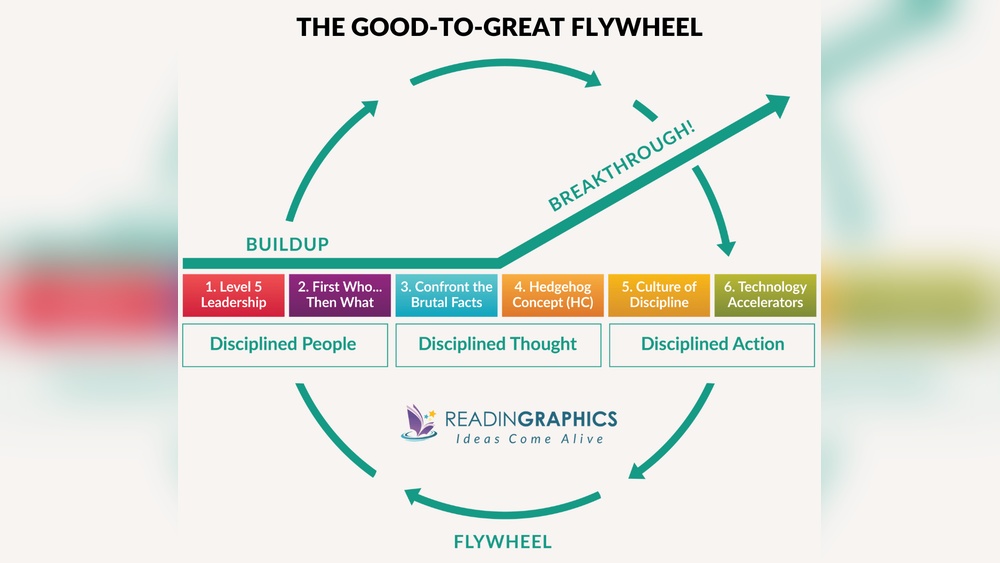
Good to Great is a famous book by Jim Collins. It talks about how some companies move from being just good to becoming truly great. The book tries to explain why some companies succeed for a long time while others do not.
This summary will explain the main ideas from the book using simple words. It will help you understand the key points quickly. The ideas can help not only companies but also people who want to improve.
First Who… Then What
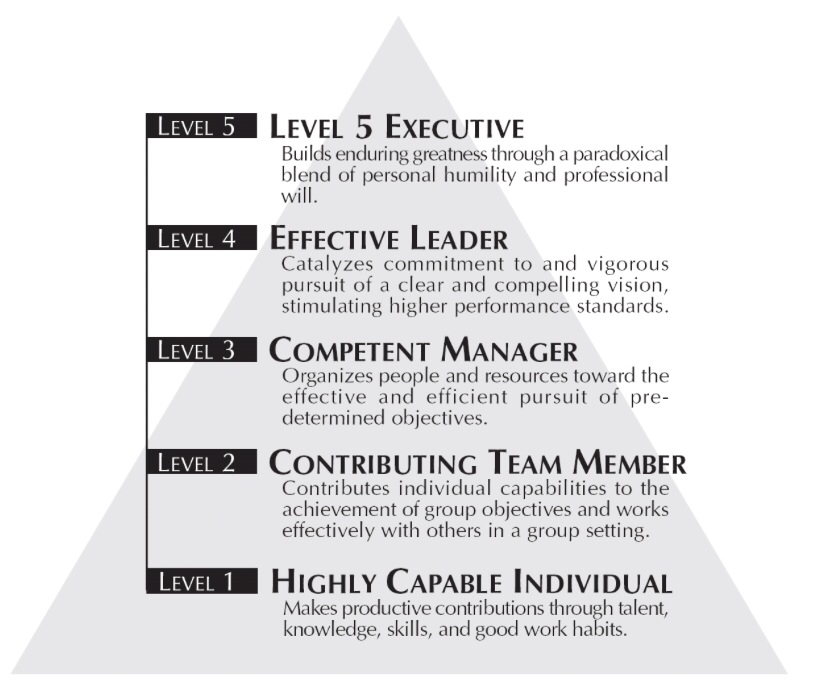
The first big idea is: get the right people first. Collins says that great companies find the right people before making big plans. This means hiring good workers and letting go of the wrong ones. When a company has the right team, it can change directions more easily.
Think of it like a bus. You want the best passengers on your bus before you decide where to go. If you have the right people, managing them becomes easier. You don’t need to push hard because they want to do good work.
Confront the Brutal Facts
Next, great companies always face the truth. They do not hide from problems or pretend things are fine when they are not. Collins calls this the “Stockdale Paradox.” It means you keep faith that you will win in the end, but you also look clearly at the hard facts now.
Facing the truth helps companies make smart decisions. If you ignore problems, they get worse. But if you know what is really happening, you can plan better.
The Hedgehog Concept
This idea is about focus. Great companies find one big idea that guides everything. Collins calls it the Hedgehog Concept. It comes from three questions:
- What can we be the best in the world at?
- What drives our economic engine (how do we make money)?
- What are we deeply passionate about?
When a company finds the answer to these three, it sticks to it. Like a hedgehog that knows how to protect itself, the company stays focused on what it does best. This focus helps the company grow and stay strong.
A Culture of Discipline
Good-to-great companies have a special culture. This culture is all about discipline. This means people work hard, follow rules, and stay focused. But it is not about strict bosses watching every move.
When the right people work in the right culture and follow the Hedgehog Concept, they do not need a lot of rules. They do the right things because they want to. This creates a strong and free work environment.
Technology Accelerators
Technology is important but not the main thing. Great companies use technology to help them move faster. They do not change just because there is new technology. Instead, they choose the right tools to help their plan.
For example, a company might use new software to help sell products faster. But the software itself is not what makes the company great. It is how the company uses it that matters.

The Flywheel and the Doom Loop
Big changes in a company do not happen all at once. Collins explains this with the Flywheel and the Doom Loop.
The Flywheel is like a giant wheel. At first, it is hard to push. But if you keep pushing, it starts to spin faster and faster. This shows how small steps add up to big success over time.
The Doom Loop is the opposite. It happens when companies try quick fixes or big changes without a clear plan. This causes failure and loss of momentum.
Great companies keep pushing the Flywheel. They do small things well every day. This builds power and success step by step.
Summary Table of Key Concepts
| Concept | Meaning | Why It Matters |
|---|---|---|
| First Who, Then What | Hire the right people first. | Good team makes work easier and flexible. |
| Confront Brutal Facts | Face the truth honestly. | Smart decisions come from knowing reality. |
| The Hedgehog Concept | Focus on what you do best, love, and make money from. | Focus helps the company grow strong. |
| Culture of Discipline | Work hard with self-control and focus. | Creates freedom and strong work habits. |
| Technology Accelerators | Use technology to support goals. | Technology helps but does not replace strategy. |
| The Flywheel | Small efforts build momentum over time. | Success grows step by step, not overnight. |
Why This Book Matters
Many books talk about success. But Good to Great looks at real companies that made big changes and stayed great for years. It is based on research, not just ideas.
Jim Collins studied many companies for five years. He found patterns that make some companies better. These patterns can apply to schools, teams, or even personal goals.
The book reminds us that success is about people, truth, focus, discipline, and patience. It is not about quick tricks or luck.
Some Criticism of the Book
Not everyone agrees with all ideas in the book. Some say that the companies studied were lucky. Others think the book is too simple. Real life can be more complex.
Still, many people find the ideas useful. They help to think clearly about how to improve. The book is a good starting point for anyone who wants to learn about success.
Final Thoughts
Good to Great teaches us that greatness takes time and effort. It is not about one big move but many small steps. It is about having the right people and being honest with yourself.
Focus on what you do best. Build a culture where people work with discipline. Use tools to help, but don’t rely on them alone. And keep pushing your Flywheel every day.
These lessons can help companies, teams, and individuals to grow and succeed. They remind us that good can become great with patience and hard work.
Frequently Asked Questions
What Are The Principles Of Good To Great?
The principles of Good to Great include: First Who, Then What; Confront the Brutal Facts; The Hedgehog Concept; Culture of Discipline; and Technology Accelerators. These focus on disciplined people, honest reality checks, clear strategy, strong culture, and smart technology use.
What Is The Brief Summary Of The Book?
Good to Great explains how companies achieve lasting success through disciplined people, thought, and action. It highlights hiring the right team, confronting reality, focusing on core strengths, building a disciplined culture, and using technology as an accelerator. Success builds gradually, like pushing a flywheel.
What Is The Criticism Of The Book Good To Great?
Critics argue Good to Great oversimplifies success and relies on selective company examples. Some say its conclusions lack empirical rigor. Others believe it underestimates external factors and luck in business growth. The book’s ideas may not apply universally across all industries or company sizes.
What Are The 11 Companies In Good To Great?
The 11 companies in “Good to Great” are Abbott, Circuit City, Fannie Mae, Gillette, Kimberly-Clark, Kroger, Nucor, Philip Morris, Pitney Bowes, Walgreens, and Wells Fargo. These firms made the leap from good to great through disciplined leadership and strategy.

Similar Posts