Antarctica Travel Guide: Ultimate Tips for an Unforgettable Expedition
Antarctica is the coldest place on Earth. It is a land of ice and snow. Many people dream of visiting this remote continent. This guide will help you understand how to plan your trip to Antarctica. You will learn about the best time to go, types of trips, what to pack, and rules to follow.
When to Go
The travel season to Antarctica is short. It runs from late October to late March. This is when the weather is mildest and wildlife is active.
- Early Season (November – December): This time offers fresh snow and beautiful light for photos. You can see penguins courting and starting their nests.
- Mid Season (January – February): The weather is warmer. This is the best time to see baby penguins and seals.
- Late Season (March): The ice starts to break up. You might see whales and other sea life.
Each part of the season has its own magic. Choose the time that fits your interests.
Types of Trips
There are many ways to explore Antarctica. Here are the most common types.
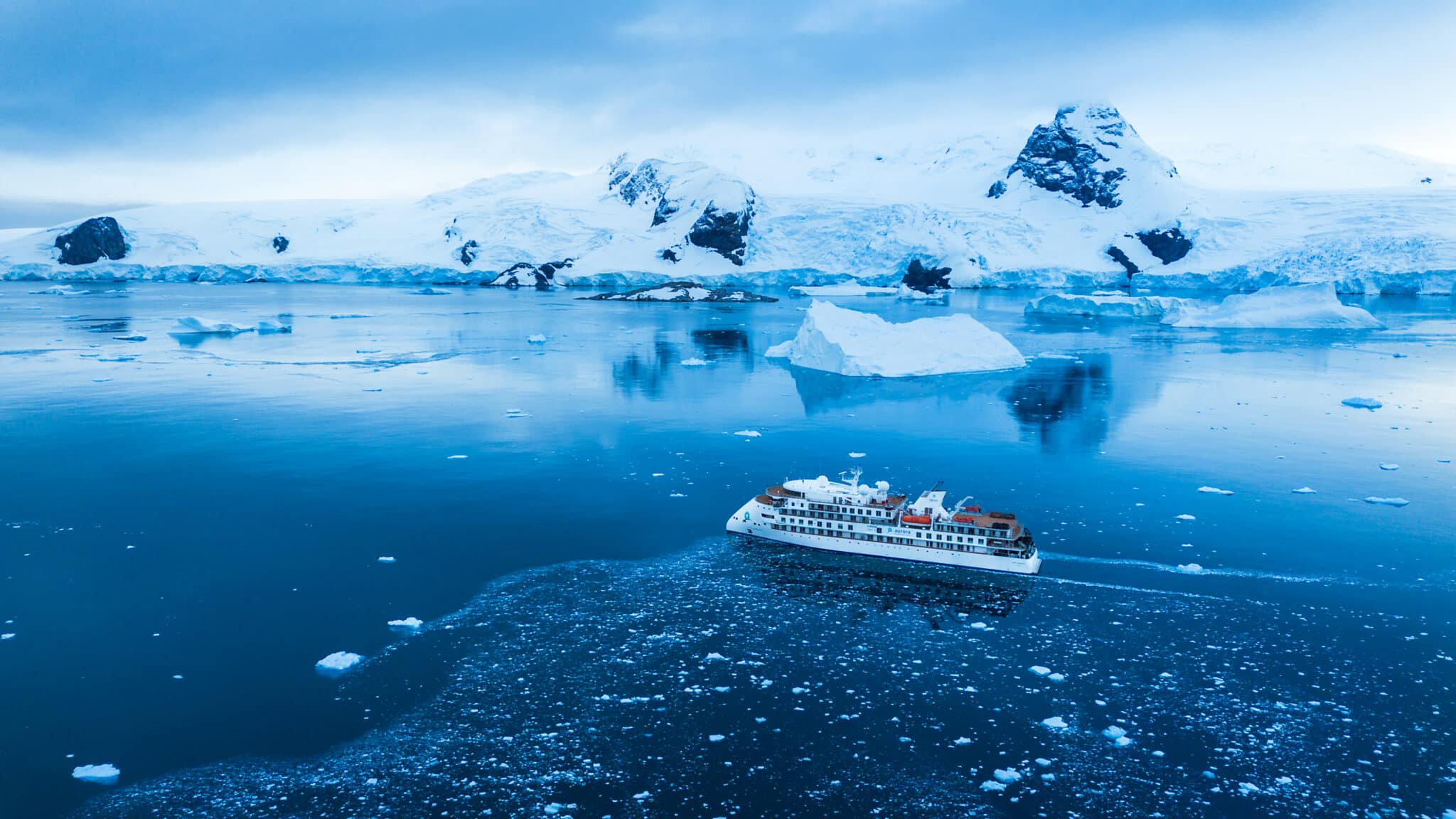
- Expedition Cruises: These are the most popular. You sail on strong ships built to handle ice. Experts like scientists and historians join to share knowledge. You can go ashore daily in small boats called Zodiacs. You will hike and learn on land.
- Fly-and-Cruise Options: This option skips the long Drake Passage boat ride. You fly from Punta Arenas, Chile, to King George Island. Then you board the ship. This saves time and avoids rough seas.
- Basecamp and Activity Trips: These are for active travelers. You can kayak, camp on ice, snowshoe, or paddleboard. It is a fun way to see the landscape up close.

Essential Gear
Antarctica’s weather can change fast. Even in summer, it can be freezing. You need to pack warm and waterproof clothes. Here is what to bring:
| Clothing | Description |
|---|---|
| Base & Mid-Layers | Thermal underwear and fleece or wool sweaters. These keep your body warm. |
| Outerwear | Waterproof ski or rain pants and a strong, windproof parka. Many tours provide parkas to borrow or keep. |
| Extremities | Warm wool socks, a knit hat, waterproof gloves or mittens with liners. |
| Sun & Eye Protection | Sunglasses or ski goggles to protect eyes from snow glare. High SPF sunscreen for skin. |
| Accessories | Binoculars for wildlife watching, a neck gaiter, and medicine for seasickness if crossing the Drake Passage. |
Rules and Regulations
Antarctica is protected by the Antarctic Treaty. This treaty helps keep the continent safe and clean.
Visitors must follow strict rules. These rules protect the animals and environment.
- Biosecurity: All clothes and boots must be cleaned before landing. This stops new seeds or germs from spreading.
- Leave No Trace: You cannot take anything from Antarctica. No rocks, plants, or animals. Also, you must not leave any trash behind.
These rules help keep Antarctica wild and beautiful for future visitors.
Planning Your Trip
Trips to Antarctica are special. They take careful planning. Here are some tips to help you get ready.
- Book Early: Many trips fill up fast. Plan your trip months or even a year ahead.
- Choose a Good Guide: Look for companies with experienced staff and good reviews.
- Get Travel Insurance: Weather can delay trips. Insurance helps protect your money.
- Prepare Physically: You will do walking and hiking on uneven ground. Being fit helps you enjoy the trip.
What to Expect on Your Trip
Antarctica is unlike any other place. Here are some things you will see and do.
- Wildlife: Penguins, seals, whales, and many seabirds live here. You may see them close during landings.
- Icebergs and Glaciers: Huge icebergs float in the sea. Massive glaciers cover the land.
- Long Days: In summer, the sun stays up all day. You can explore and take photos at any time.
- Quiet and Peace: Antarctica is very quiet. The only sounds are nature’s.
How to Get There
Most trips start from South America. Punta Arenas, Chile, is a common departure point. Some trips begin in Ushuaia, Argentina.
You can choose to cross the Drake Passage by ship. It takes about two days. It can be rough, so prepare for seasickness.
Or, you can fly to King George Island. This saves time and avoids the rough sea journey.
Costs of an Antarctica Trip
Antarctica travel is not cheap. Trips often cost several thousand dollars. Prices depend on the trip type and length.
Expedition cruises can cost from $5,000 to $15,000 or more. Fly-and-cruise options usually cost more.
Special activities like kayaking or camping add to the price. But the experience is priceless.
Final Thoughts
Visiting Antarctica is a rare adventure. It is a chance to see a wild and untouched world.
Plan your trip carefully. Pack warm and follow the rules. Respect the land and its animals.
This journey will give you memories to last a lifetime. It is a special place worth protecting.
Frequently Asked Questions
How Much Will A Trip To Antarctica Cost?
A trip to Antarctica typically costs between $5,000 and $15,000 per person. Luxury cruises can exceed $20,000. Costs vary by travel style, duration, and activities included. Planning early and choosing shorter expeditions help reduce expenses. Expect additional costs for gear and flights to departure points.
Can I Legally Travel To Antarctica?
Yes, you can legally travel to Antarctica under the Antarctic Treaty rules. Visitors must follow strict conservation and biosecurity protocols. Travel usually occurs between late October and late March, often via expedition cruises or fly-and-cruise trips. All visitors must respect environmental regulations to protect the fragile ecosystem.
What Month Is Best To Visit Antarctica?
The best months to visit Antarctica are November through March. This period offers milder weather and abundant wildlife activity. Early season (November-December) provides pristine snow and active penguin courtship. Late season sees more accessible waters and diverse animal sightings. Plan trips within this travel window for optimal experiences.
Do Cell Phones Work In Antarctica?
Cell phones rarely work in Antarctica due to limited cellular networks. Satellite phones provide reliable communication instead.

Similar Posts