Mount Fuji is Japan’s most famous mountain. It is a symbol of beauty and nature. Many travelers want to visit it. This guide will help you plan your trip to Mount Fuji. You will learn how to get there, best places to see, and tips for your visit.
About Mount Fuji
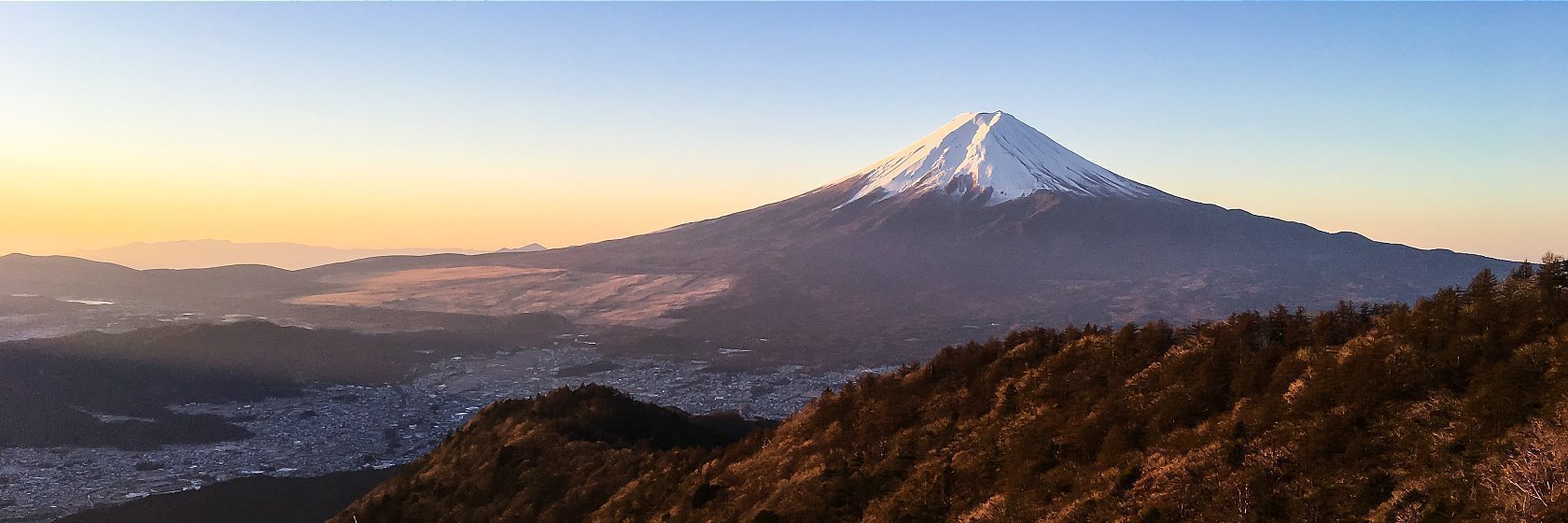
Mount Fuji is the highest mountain in Japan. It is 12,389 feet tall. The mountain is a volcano but has been quiet for many years. People love to see its perfect shape. It looks like a cone with snow on top during winter and spring.
Mount Fuji is near Tokyo, the capital city of Japan. It takes about 2 hours to reach from Tokyo. Many visitors come to see the mountain from far away or climb to the top in summer.
Best Time to Visit Mount Fuji
The best time to see Mount Fuji clearly is from late autumn to early spring. The air is clean and the sky is often clear. You can see the mountain well in November, December, and February.
In summer, the mountain is often covered by clouds. It is also the climbing season. From early July to early September, many people climb the mountain. If you want to climb, plan your trip in this time.
Spring and autumn offer nice views too. You can see cherry blossoms in spring and colorful leaves in autumn around the mountain.
How to Get to Mount Fuji
Most visitors come from Tokyo. Here are the ways to get to Mount Fuji:
- By Train: Take the Fuji Excursion limited express train from Shinjuku Station to Kawaguchiko Station. The ride takes about 2 hours.
- By Bus: Highway buses run from Tokyo to the Fuji Five Lakes area. It takes about 2 to 2.5 hours.
- By Car: Renting a car is easy if you want to explore the area freely. Roads are good and signs are in English.
The Fuji Five Lakes area is the most popular place to stay. It is close to Mount Fuji and has many hotels and attractions.

Best Ways to Experience Mount Fuji
Most people visit the area around Mount Fuji instead of climbing it. The Fuji Five Lakes region is perfect for sightseeing. Here are the top places to visit:
| Place | What to Do |
|---|---|
| Lake Kawaguchiko | Rent a bicycle and ride around the lake. Visit Oishi Park for flowers and views. Take the Mt. Fuji Panoramic Ropeway to see the mountain from above. |
| Arakurayama Sengen Park | See the famous Chureito Pagoda with Mount Fuji behind. Great for photos, especially in spring and autumn. |
| Oshino Hakkai | Visit a small village with clear ponds fed by Mount Fuji’s water. Enjoy traditional food and local culture. |
| Lake Ashi | Take a boat cruise on the lake. See views of Mount Fuji and visit Hakone Shrine nearby. |
Tips for Your Visit
- Check the Weather: Mount Fuji is often covered by clouds, especially in summer. Use weather apps like Fuji View Forecast to check visibility.
- Bring Warm Clothes: Even in summer, it can be cold near the mountain. Bring layers to stay warm.
- Book Hotels Early: During climbing season and holidays, hotels fill up fast. Book in advance to secure your stay.
- Use Public Transport: Parking is limited. Public buses and trains are convenient and easy to use.
- Respect Nature: Keep the area clean and follow local rules. Mount Fuji is a sacred mountain to many Japanese people.
Climbing Mount Fuji
If you want to climb Mount Fuji, plan carefully. The official climbing season is from early July to early September. Outside this time, the mountain is dangerous due to snow and cold.
Here are the steps for climbing:
- Choose a climbing route. The most popular is the Yoshida Trail.
- Start early to avoid crowds and finish before dark.
- Book a mountain hut if you want to rest or sleep on the mountain.
- Bring proper gear: hiking boots, rain jacket, warm clothes, and plenty of water.
- Respect safety signs and weather conditions.
Many climbers aim to reach the summit by sunrise. It is called “Goraiko” in Japanese and is a special experience.
Where to Stay
The best area to stay is near Lake Kawaguchiko. It has many hotels, guesthouses, and traditional inns called ryokan. Staying here gives easy access to attractions and good views of Mount Fuji.
Hakone is another popular area. It is famous for hot springs and views of Mount Fuji. You can relax in an onsen after a day of sightseeing.
If you plan to climb, book a mountain hut on the trail. These huts offer simple meals and beds for climbers.
What to Eat Near Mount Fuji
Enjoy local food in the Fuji Five Lakes area. Some popular dishes include:
- Houtou: A thick noodle soup with vegetables. It is warm and filling.
- Soba Noodles: Made from buckwheat, served cold or hot.
- Fresh Trout: From local lakes, served grilled or in sushi.
- Seasonal Fruits: Apples, peaches, and grapes are popular in the region.
Final Thoughts
Mount Fuji is a special place. It offers natural beauty, cultural experiences, and adventure. Whether you want to see the mountain, explore lakes, or climb to the top, Mount Fuji has something for everyone.
Plan your trip well. Check the weather, choose the right time, and prepare for your activities. Enjoy your visit to Mount Fuji and create lasting memories.
Frequently Asked Questions
How Many Days Do You Need For Mt. Fuji?
Plan at least one full day to explore Mt. Fuji’s key spots like Lake Kawaguchi and Arakurayama Sengen Park. Climbers need 2-3 days during the official climbing season to summit and enjoy sunrise views.
Do I Need A Guide For Mount Fuji?
You don’t need a guide to visit Mount Fuji’s surrounding areas. For summit climbs, guides improve safety and navigation.
How Much Time Do You Need To See Mount Fuji?
Plan at least a full day to explore Mount Fuji’s key spots like Lake Kawaguchi and Arakurayama Sengen Park. This allows time for sightseeing, photography, and enjoying panoramic views. For climbing, allocate several days during the official season from July to September.
What Are The Best Months To Visit Mount Fuji?
The best months to visit Mount Fuji are April to June and September to November. These months offer clear views and mild weather. July and August are ideal for climbing during the official season but often cloudy elsewhere. Avoid winter due to snow and limited access.