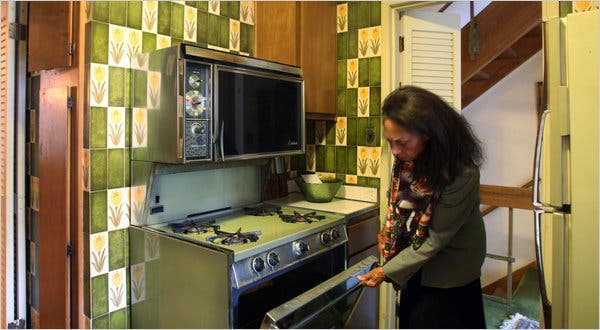
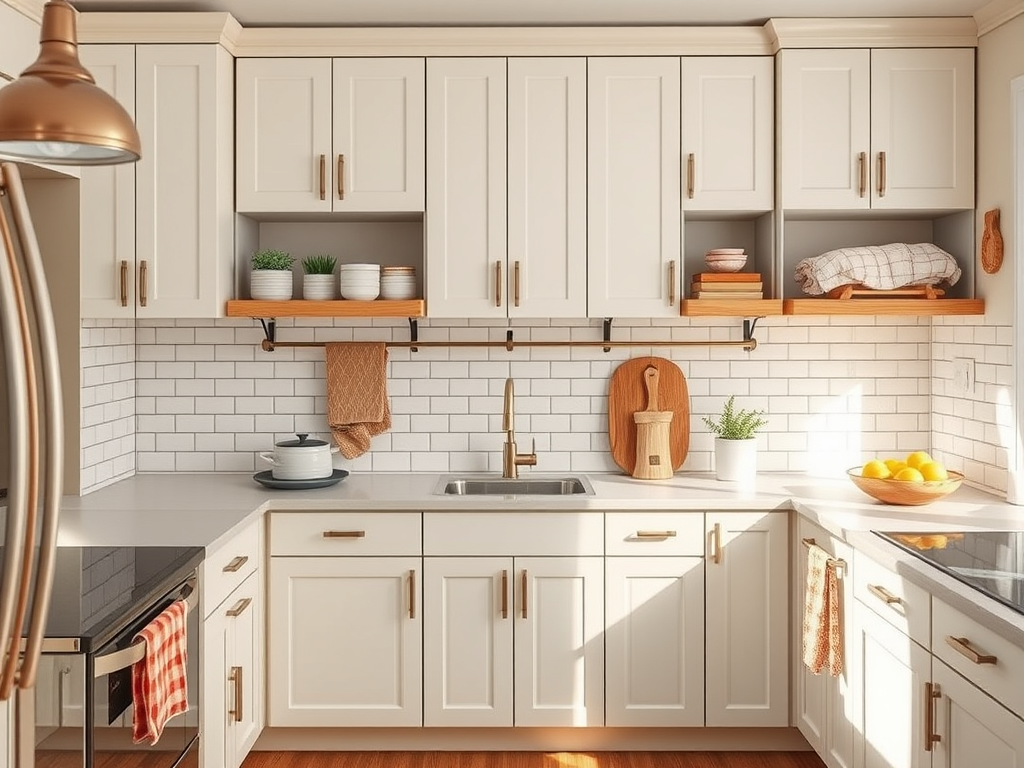
Home cooking terms are usually simpler and more intuitive, while commercial baking terms are more technical and precise. Home cooking focuses on flexibility and personal preference, whereas commercial baking emphasizes consistency and standardization.
Home cooking and commercial baking differ significantly in terminology and approach. Home cooking often involves informal terms that are easy to understand for the everyday cook. Ingredients and methods are usually more flexible, allowing for personal tastes and creativity. In contrast, commercial baking requires precise measurements and specific terms to ensure consistency and quality in large-scale production.
Commercial baking terms often include industry jargon that may not be familiar to the average home cook. Understanding these differences can be crucial for anyone transitioning from home cooking to a more professional baking environment. This knowledge helps in achieving better results and maintaining quality standards.
Home Cooking Basics
Home cooking is an enjoyable and rewarding activity. It allows you to create delicious meals from the comfort of your kitchen. Understanding the basics can help you cook like a pro at home.
Common Techniques
Home cooking involves several common techniques that are easy to learn. Here are some essential methods:
- Chopping: Cutting ingredients into small pieces.
- Sautéing: Cooking food quickly in a small amount of oil.
- Boiling: Cooking food in hot water.
- Roasting: Cooking food in an oven using dry heat.
- Grilling: Cooking food on a grill over an open flame.
Essential Tools
Having the right tools makes home cooking easier and more enjoyable. Here are some essential tools every home cook should have:
| Tool | Use |
|---|---|
| Chef's Knife | Chopping, slicing, and dicing |
| Cutting Board | Protecting your countertops while cutting |
| Mixing Bowls | Mixing ingredients |
| Measuring Cups and Spoons | Measuring ingredients accurately |
| Skillet | Sautéing and frying |
Mastering these techniques and tools will make your home cooking more effective and enjoyable.
Commercial Baking Essentials
Commercial baking is more than just a larger scale of home cooking. It involves specialized equipment, standard procedures, and strict guidelines. Knowing these essentials ensures consistent, high-quality results in a commercial setting.
Key Equipment
Commercial kitchens are equipped with specific tools designed for high-volume baking. Here are some essential pieces:
- Industrial Mixers: These powerful machines mix large batches of dough or batter effortlessly.
- Deck Ovens: These ovens have multiple layers, allowing for even baking of several items at once.
- Proofer: This equipment helps dough rise consistently in controlled environments.
- Baking Trays and Pans: Heavy-duty trays and pans ensure even heat distribution.
- Cooling Racks: These racks allow baked goods to cool evenly, preventing sogginess.
Standard Procedures
Standard procedures in commercial baking ensure consistency and quality. These procedures include:
- Ingredient Measurement: Use scales for precise measurements to maintain consistency.
- Mixing Techniques: Follow specific mixing times and speeds for different doughs and batters.
- Temperature Control: Maintain consistent oven and proofer temperatures for uniform baking.
- Quality Checks: Regularly check the texture, color, and taste of baked goods.
- Sanitation: Follow strict cleaning protocols to ensure a hygienic baking environment.
These essentials ensure that commercial baking operations run smoothly, producing high-quality products every time.
Ingredient Differences
Understanding the ingredient differences between home cooking and commercial baking is essential. These differences impact the quality, taste, and overall experience. Let's explore the main aspects: Quality and Freshness, and Availability.
Quality And Freshness
In home cooking, ingredients are usually fresher. Home cooks often source ingredients from local markets or gardens. Fresh herbs, organic vegetables, and high-quality meats are common.
Commercial baking operates on a larger scale. Ingredients are often bought in bulk. Commercial kitchens may use preservatives to extend shelf life. This can affect the freshness and flavor of the final product.
The table below highlights key differences:
| Aspect | Home Cooking | Commercial Baking |
|---|---|---|
| Ingredient Source | Local Markets, Gardens | Bulk Suppliers |
| Freshness | High | Moderate |
| Preservatives | Rarely Used | Commonly Used |
Availability
Home cooks have the flexibility to experiment. They can use seasonal ingredients or special items. This allows for more creativity and personalization.
Commercial bakers need consistency. They rely on readily available ingredients. Bulk purchasing ensures they meet demand but limits variety. This standardization helps maintain consistent product quality but may reduce uniqueness.
Here are some points to consider:
- Home Cooking: Seasonal ingredients, small quantities.
- Commercial Baking: Year-round availability, large quantities.
Both home cooking and commercial baking have their unique ingredient challenges. Understanding these differences can enhance your culinary experience.
:max_bytes(150000):strip_icc()/Web_1500-SEA-Chicago-Metallic-Half-Sheet-Baking-Pans-Irvin-Lin-Photo-02-7817-4f5142bae5c04929bd5f1df720b20221.jpg)
Measurement And Precision
Measurement and precision are crucial in both home cooking and commercial baking. The way ingredients are measured can impact the final result significantly. Although both processes require accuracy, the level of precision varies greatly between the two. Understanding these differences can enhance your culinary skills, whether cooking at home or baking commercially.
Home Cooking Flexibility
Home cooking allows for a lot of flexibility in measurements. You can easily adjust ingredients based on personal preference. For instance, if a recipe calls for a cup of sugar, you might add a bit more or less.
This flexibility makes home cooking more relaxed and forgiving. You can experiment with different ingredients without worrying much about exact measurements. Your dish will still likely turn out delicious.
Common measurement terms in home cooking include:
- Cup
- Tablespoon
- Teaspoon
- Pinch
- Dash
Commercial Baking Accuracy
In commercial baking, accuracy is paramount. Precise measurements ensure consistency and quality in every batch. Commercial bakers use weighing scales to measure ingredients to the gram.
Small deviations in measurements can lead to significant changes in the final product. This is particularly important for baked goods like bread, cakes, and pastries. Commercial baking often involves large-scale production, so consistency is key.
Key measurement tools in commercial baking include:
- Digital scales
- Measuring cups (for liquid)
- Graduated cylinders
- Thermometers
Commercial bakers also use standardized recipes, known as formulas. These formulas ensure every batch is identical, maintaining high quality.
In summary, while home cooking allows for creativity and flexibility, commercial baking demands precise measurements to achieve consistent results. Understanding these differences can help you become a better cook or baker.
Recipe Scaling
Recipe scaling is key in both home cooking and commercial baking. It adjusts ingredient amounts to fit batch sizes. This helps achieve consistent results, whether baking for family or a bakery.
Small Batches
Home cooks usually make small batches. They cook for family or friends. Scaling recipes for small batches is simpler. Ingredients are often measured in cups or spoons. Precision is important, but slight variations are usually forgiving.
For example, a cookie recipe might call for:
- 1 cup of flour
- 1/2 cup of sugar
- 1/2 teaspoon of baking soda
These measurements are easy to scale up or down. The process involves basic math and a kitchen scale.
Large-scale Production
Commercial bakers handle large-scale production. They bake for many people, sometimes hundreds. Recipe scaling here is more complex. It requires precise measurements to ensure consistency. Ingredients are often weighed in kilograms or pounds.
For example, a commercial bread recipe might require:
| Ingredient | Amount |
|---|---|
| Flour | 20 kg |
| Sugar | 5 kg |
| Yeast | 500 g |
Scaling these recipes involves advanced techniques. Bakers use software and special equipment. The goal is to maintain quality across all batches.
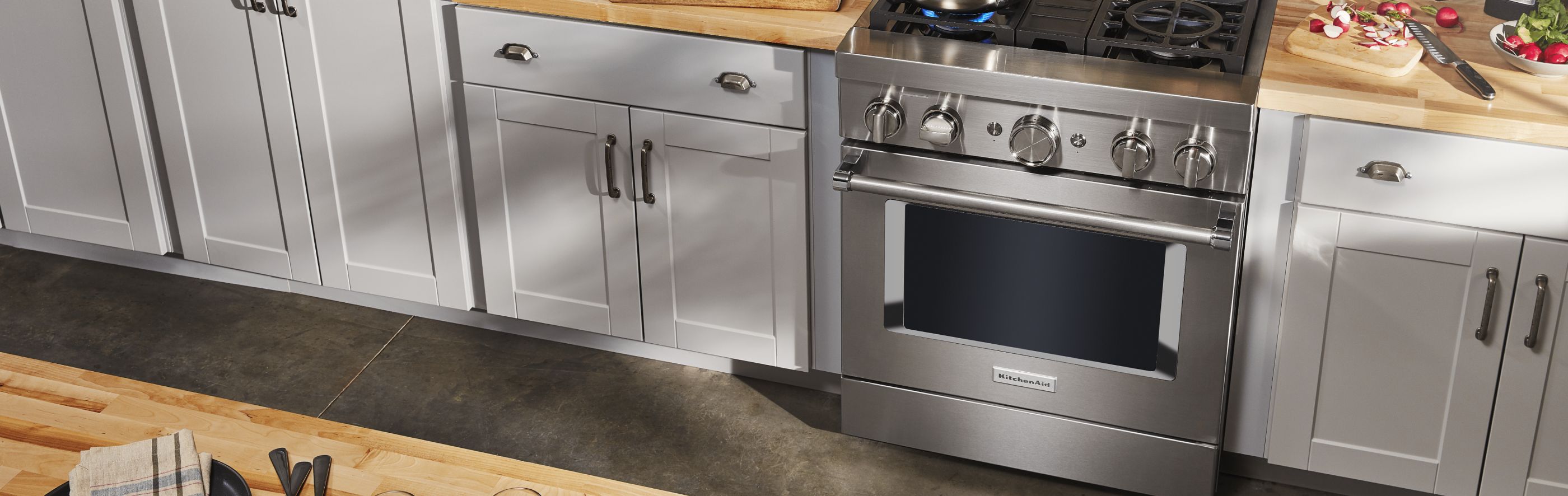
Time Management
Understanding time management is crucial in both home cooking and commercial baking. The pace and schedules differ greatly between these two environments. Let's explore how each one manages time effectively.
Home Cooking Pace
Home cooking allows for a relaxed pace. Cooks can take their time with each step. Flexibility is a key advantage. They can adjust recipes as needed.
Home cooks often multitask. They can prepare multiple dishes at once. This flexibility helps when managing time.
Here are some common practices in home cooking:
- Prepping ingredients ahead of time
- Using timers for different stages
- Cleaning up as they go
These habits help manage time efficiently in home kitchens.
Commercial Baking Schedules
Commercial baking follows strict schedules. Bakers must stick to precise timings. This ensures consistency and quality.
In a commercial setting, tasks are highly organized. Each step has a set time. This keeps the workflow smooth and efficient.
Key elements of commercial baking schedules include:
- Batch preparation for large quantities
- Scheduled baking times for ovens
- Strict cooling and packaging timelines
These practices ensure that products meet high standards.
| Aspect | Home Cooking | Commercial Baking |
|---|---|---|
| Pace | Relaxed, flexible | Strict, organized |
| Task Management | Multitasking, adaptable | Scheduled, precise |
| End Goal | Personal satisfaction | Consistency, quality |
Health And Safety
Health and safety are crucial in both home cooking and commercial baking. Each setting has unique practices to ensure food is safe for consumption. Understanding these differences can help maintain high standards in both environments.
Home Hygiene Practices
Home kitchens rely on personal hygiene and cleanliness. Here are some key practices:
- Wash your hands before and after handling food.
- Use separate cutting boards for raw meat and vegetables.
- Keep countertops and cooking utensils clean.
- Store food at safe temperatures.
- Cook the meat to the recommended internal temperature.
Following these steps reduces the risk of foodborne illnesses. Home cooks need to stay vigilant and consistent.
Commercial Regulations
Commercial kitchens follow strict health and safety regulations. These rules ensure food safety on a larger scale. Here are some key regulations:
| Regulation | Description |
|---|---|
| Health Inspections | Regular checks by health officials to ensure compliance. |
| Sanitation Protocols | Strict cleaning and sanitizing procedures for all equipment. |
| Temperature Control | Maintaining food at safe temperatures to prevent spoilage. |
| Employee Training | Staff must undergo food safety and hygiene training. |
| Allergen Management | Clear labeling and handling procedures to avoid cross-contamination. |
These regulations help protect consumers and maintain trust in food products. Commercial kitchens invest heavily in compliance and training.

Flavor And Texture
Flavor and texture are key aspects of both home cooking and commercial baking. These elements define the overall eating experience. The techniques used in each setting can lead to noticeable differences. Understanding these can help you appreciate each method better.
Home Cooking Variability
Home cooking often brings a unique flavor and texture. The ingredients vary from one household to another. Home cooks may add personal touches to recipes, creating a diverse range of flavors. Variations in cooking methods also affect the final texture. This variability makes each home-cooked meal special.
For example, two people making the same dish can have different results. This is due to individual preferences and ingredient quality. Home cooks also have the freedom to experiment. This can lead to surprising flavors and interesting textures.
Commercial Consistency
Commercial baking aims for consistency in flavor and texture. This ensures that every product meets customer expectations. Standardized recipes and precise measurements are key. Commercial kitchens use industrial equipment to maintain uniformity. This consistency builds brand trust and customer loyalty.
In commercial settings, quality control is strict. Each batch of baked goods must match the standard. This reduces the chance of unexpected variations. The use of high-quality ingredients also contributes to consistent flavor and texture. Commercial bakers follow rigorous protocols to achieve the same results every time.
Frequently Asked Questions
What Is The Difference Between Home Cooking And Commercial Cooking?
Home cooking focuses on personal taste and nutrition. Commercial cooking prioritizes consistency, cost-efficiency, and serving large quantities.
What Is The Difference Between A Commercial Kitchen And A Home Kitchen?
A commercial kitchen is designed for high-volume cooking and strict health regulations. A home kitchen is for personal use, typically smaller, with less stringent health rules. Commercial kitchens use industrial equipment, while home kitchens use standard appliances.
What Defines Commercial Cooking?
Commercial cooking involves preparing food in large quantities for businesses like restaurants, hotels, and catering services. It requires specialized equipment and compliance with health regulations.
What's The Difference Between Home Cooked Food And Restaurant Food?
Home-cooked food offers personalized ingredients and control over quality. Restaurant food often features diverse cuisines and professional preparation.
Conclusion
Understanding the differences between home cooking and commercial baking terms enhances your culinary skills. It helps you follow recipes accurately and improves your baking results. Whether you're a home cook or a professional baker, knowing these terms is essential for success in the kitchen.
Happy baking!