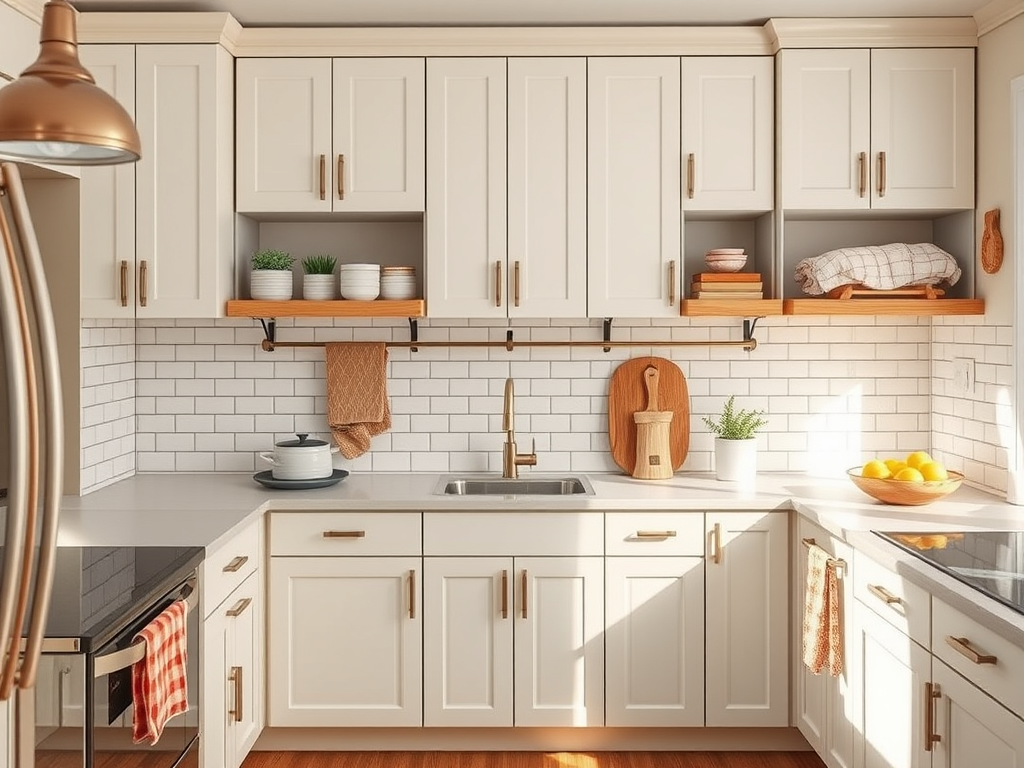
A new kitchen typically costs between $12,000 and $30,000. High-end remodels can exceed $50,000.
A kitchen remodel is a significant investment, enhancing both functionality and aesthetics. Costs vary based on materials, appliances, and labor. Factors like kitchen size, layout changes, and the quality of finishes influence the overall expense. Homeowners must consider cabinetry, countertops, flooring, and lighting.
Quality appliances and custom features can increase costs. Budgeting for unforeseen expenses ensures a smoother renovation process. Homeowners often recoup the investment through increased home value. Researching contractors and gathering multiple quotes help in managing costs effectively. Proper planning and realistic budgeting lead to a successful kitchen makeover.
Planning Your Budget
Planning your budget for a new kitchen involves several steps. You need to think about how much you can spend. This helps you avoid overspending. A well-planned budget ensures you get the most value. Let’s break down the budgeting process into simple steps.
Setting Priorities
The first step is setting priorities. Decide what matters most in your new kitchen. You might want to focus on new appliances. Others may prioritize new cabinets or countertops. Make a list of your top priorities.
Here are some common priorities:
- New appliances
- Modern cabinets
- Durable countertops
- Improved lighting
- Stylish flooring
Write down your top three priorities. This will help guide your spending.
Identifying Must-haves
Next, identify your must-haves. These are items you cannot live without. Must-haves are essential for your new kitchen. They might include a dishwasher or a large fridge. Knowing your must-haves helps you allocate your budget wisely.
Consider these must-haves:
- Functional appliances
- Quality cabinets
- Reliable plumbing
- Good ventilation
- Safe electrical wiring
Make sure your must-haves fit within your budget. This ensures you get the essentials without overspending.
Here’s a simple table to help you plan:
| Priority | Must-Have | Estimated Cost |
|---|---|---|
| 1 | New fridge | $1,000 |
| 2 | Modern cabinets | $3,000 |
| 3 | Durable countertops | $2,000 |
Use this table to organize your ideas. It makes budgeting easier and clearer. Remember, setting priorities and identifying must-haves are crucial. They help you stay on track and within budget.
Cost Breakdown
Understanding the cost breakdown of a new kitchen helps in budgeting. Let's dive into the details of key components like cabinets, hardware, and countertops.
Cabinets And Hardware
Cabinets are a major part of any kitchen remodel. They usually take up about 30-40% of the total budget. The cost depends on the material and design you choose. Here is a simple breakdown:
| Type | Estimated Cost (per linear foot) |
|---|---|
| Stock Cabinets | $100 - $300 |
| Semi-Custom Cabinets | $150 - $650 |
| Custom Cabinets | $500 - $1,200 |
Hardware includes handles, knobs, and hinges. It can add another $200 to $800 to your budget. Choose wisely to match your kitchen’s style.
Countertops
Countertops are essential for both function and aesthetics. The cost varies based on the material. Here is a breakdown:
| Material | Estimated Cost (per square foot) |
|---|---|
| Laminate | $20 - $50 |
| Granite | $40 - $100 |
| Quartz | $50 - $150 |
| Marble | $70 - $200 |
Choosing the right countertop material affects both cost and durability. Balance your budget with your needs for the best results.
Appliance Choices
Choosing the right appliances is crucial for any new kitchen. Your appliance choices can greatly influence the overall cost. Whether you need essential appliances or luxury add-ons, each option has its price range and benefits.
Essential Appliances
Every kitchen needs a few key appliances to function. These essentials include:
- Refrigerator
- Oven
- Stovetop
- Dishwasher
- Microwave
Below is a table outlining the average costs of these essential appliances:
| Appliance | Average Cost |
|---|---|
| Refrigerator | $1,000 - $3,000 |
| Oven | $500 - $2,500 |
| Stovetop | $300 - $1,500 |
| Dishwasher | $400 - $1,200 |
| Microwave | $100 - $500 |
These prices can vary based on brands and features. Basic models are cheaper, while high-end models cost more. Choose wisely to balance your budget and needs.
Luxury Add-ons
Luxury appliances can enhance your kitchen experience. These include:
- Wine Cooler
- Double Oven
- Built-in Coffee Maker
- Smart Fridge
- High-End Range Hood
Here’s a table showing the average costs for these luxury add-ons:
| Luxury Appliance | Average Cost |
|---|---|
| Wine Cooler | $300 - $3,000 |
| Double Oven | $1,500 - $4,000 |
| Built-in Coffee Maker | $1,000 - $3,000 |
| Smart Fridge | $2,000 - $6,000 |
| High-End Range Hood | $1,000 - $3,000 |
Luxury appliances add style and convenience to your kitchen. They also increase the overall cost. Consider these options if you want a top-tier kitchen experience.
Labor And Installation
Labor and installation costs can significantly impact your new kitchen budget. Understanding these costs helps you make informed decisions and keep expenses in check. Two main options are available: hiring contractors or doing it yourself (DIY). Each choice has its pros and cons, which we will explore below.
Hiring Contractors
Hiring professional contractors ensures your kitchen installation is done correctly. Professionals have the expertise and tools to complete the work efficiently. Below are some typical costs:
| Service | Average Cost |
|---|---|
| General Contractor | $3,000 - $5,000 |
| Electrician | $50 - $100 per hour |
| Plumber | $45 - $200 per hour |
| Carpenter | $30 - $50 per hour |
These costs vary based on your location and the complexity of the job. Ensure you obtain multiple quotes to get the best deal. Also, check the contractor's credentials and reviews.
Diy Options
Opting for a DIY kitchen installation can save money. However, it demands time, effort, and some skills. Here are some tasks you can handle yourself:
- Assembling and installing cabinets
- Painting and tiling
- Installing light fixtures
While DIY can be cost-effective, it may not be suitable for everyone. Below is a comparison to help decide:
| Task | DIY Cost | Professional Cost |
|---|---|---|
| Cabinet Installation | $200 - $500 | $1,000 - $3,000 |
| Painting | $100 - $300 | $500 - $2,000 |
| Tiling | $300 - $600 | $1,000 - $2,500 |
Consider your skill level and time availability before opting for DIY. Some tasks, like electrical work, are best left to professionals for safety reasons.
Material Selection
Choosing the right materials is key to your kitchen's cost. Your choice impacts both budget and style. Let’s explore some options.
Budget-friendly Materials
Laminate is a popular choice for budget-friendly countertops. It’s durable and comes in many colors.
Vinyl flooring is another great option. It's affordable, easy to clean, and available in various designs.
For cabinets, medium-density fiberboard (MDF) is a cost-effective material. It can be painted or laminated for a stylish look.
| Material | Average Cost per sq ft |
|---|---|
| Laminate Countertops | $10 - $30 |
| Vinyl Flooring | $2 - $7 |
| MDF Cabinets | $15 - $45 |
High-end Alternatives
For a luxurious feel, consider granite or quartz countertops. They are durable and offer a premium look.
Hardwood flooring is a classic and elegant choice. It adds warmth and value to your kitchen.
For cabinets, solid wood is the top choice. It’s beautiful and long-lasting.
- Granite Countertops: $50 - $100 per sq ft
- Quartz Countertops: $70 - $120 per sq ft
- Hardwood Flooring: $8 - $15 per sq ft
- Solid Wood Cabinets: $100 - $300 per linear ft
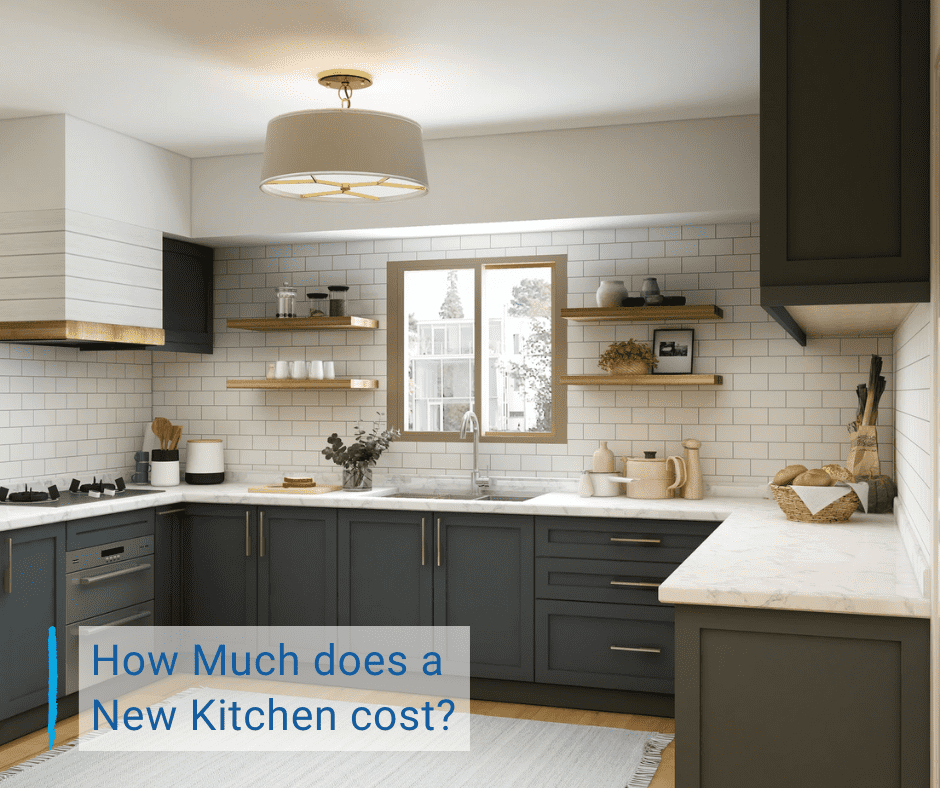
Hidden Costs
When budgeting for a new kitchen, most people focus on visible costs. Hidden costs can surprise you and inflate your budget. Understanding these hidden costs can help you plan better and avoid financial stress.
Permits And Inspections
Many kitchen remodels require permits. Local governments need these to ensure safety and compliance with building codes. Permit costs vary based on your location and the scope of the project.
After you get the permits, inspections come next. Inspectors ensure the work meets all regulations. Failing an inspection means redoing some work, which adds to your costs.
Here's a quick breakdown of potential permit and inspection costs:
| Type of Permit | Average Cost |
|---|---|
| Electrical Permit | $50 - $200 |
| Plumbing Permit | $50 - $150 |
| Building Permit | $200 - $500 |
Unexpected Expenses
Even with a detailed plan, unexpected expenses can arise. These can include:
- Structural Issues: Discovering damaged walls or floors can increase costs.
- Outdated Wiring: Old electrical systems might need an upgrade.
- Plumbing Problems: Hidden leaks or rusty pipes can be costly to fix.
Here are some tips to manage unexpected expenses:
- Set aside an emergency fund.
- Get a detailed estimate from your contractor.
- Prioritize essential upgrades over cosmetic changes.
Being prepared can save you from financial headaches.
Financing Options
Planning a kitchen remodel can be exciting. But understanding the costs is crucial. Many people wonder, how much does a new kitchen cost? The price can vary widely. Luckily, several financing options can help you manage these expenses. Below, we discuss some popular choices.
Loans And Mortgages
One of the most common ways to finance a new kitchen is through loans and mortgages. Home equity loans and lines of credit are popular choices. They allow you to borrow against the value of your home. Here are a few options:
- Home Equity Loans: These provide a lump sum. The interest rates are generally fixed.
- Home Equity Lines of Credit (HELOC): These offer more flexibility. You can borrow as needed. The interest rates are variable.
- Personal Loans: These do not require home equity. They often have higher interest rates. It's a good choice if you have good credit.
Each option has its benefits. Choose one that fits your financial situation best.
Payment Plans
Another way to manage your kitchen costs is through payment plans. Many contractors offer these to make projects more affordable. Payment plans break down the total cost into smaller, manageable payments. Here are some common types:
- Monthly Installments: Pay a fixed amount each month. This makes budgeting easier.
- Deferred Payments: Start paying after the project is complete. This can be helpful if you need time to gather funds.
- Zero-Interest Plans: Pay no interest for a set period. This is a great option if you can pay off the balance quickly.
Review the terms carefully. Choose a plan that aligns with your budget and financial goals.
| Financing Option | Pros | Cons |
|---|---|---|
| Home Equity Loan | Fixed interest rates, lump sum | Requires home equity |
| HELOC | Flexible borrowing, variable rates | Requires home equity, fluctuating payments |
| Personal Loan | No home equity needed | Higher interest rates |
| Monthly Installments | Manageable payments, easy budgeting | Potential interest costs |
| Deferred Payments | Payment flexibility | May accumulate interest |
| Zero-Interest Plans | Cost savings | Strict pay-off timelines |
Cost-saving Tips
Renovating a kitchen can be expensive. But you can save money with a few smart tips. Here are some cost-saving tips to help you get your dream kitchen without breaking the bank.
Seasonal Sales
One of the best ways to save money is by taking advantage of seasonal sales. Many stores offer big discounts during specific times of the year. For example, you can find great deals on appliances during Black Friday or Cyber Monday. Also, keep an eye out for end-of-year sales, which can offer huge savings on last year's models.
- Black Friday and Cyber Monday
- End-of-year sales
- Holiday promotions
Shopping during these times can save you hundreds or even thousands of dollars.
Refurbished Items
Another way to cut costs is by buying refurbished items. These products have been returned, fixed, and tested to work like new. They often come with a warranty, so you can buy with confidence. You can find refurbished items at a fraction of the cost of new ones.
| Item | New Price | Refurbished Price |
|---|---|---|
| Refrigerator | $1,200 | $800 |
| Oven | $1,000 | $600 |
| Dishwasher | $700 | $400 |
Refurbished items can help you save a lot of money on your kitchen remodel. Always check for a warranty and read customer reviews before purchasing.
Final Touches
Once the major components of your kitchen are installed, the final touches can transform your space into a place of beauty and functionality. These elements might seem small, but they have a significant impact on the overall feel of your kitchen.
Decor And Accessories
Decor and accessories personalize your kitchen. Think about wall art, vases, or even fruit bowls. These items add character without breaking the bank. You might also consider decorative lighting. Pendant lights over your island or dining table can change the ambiance instantly.
Another great addition is open shelving. Display your best dishes, cookbooks, or even small plants. Open shelves make the kitchen feel more spacious and inviting. Don't forget about functional accessories. Things like utensil holders, spice racks, and cutting boards not only add to the decor but also make your kitchen more practical.
Smart Home Technology
Smart home technology can bring your kitchen into the future. Consider installing a smart thermostat. It helps you control your kitchen's temperature with ease. Another must-have is a smart refrigerator. These fridges come with touch screens and can even create shopping lists for you.
Don't forget about smart lighting. You can control these lights with your phone or voice. This makes it easier to set the mood for any occasion. Smart ovens and microwaves are also great additions. They allow you to start cooking even when you are not at home. These tech upgrades can make your kitchen more efficient and enjoyable.

Frequently Asked Questions
What Is The Average Budget For A New Kitchen?
The average budget for a new kitchen ranges from $10,000 to $50,000. Costs vary based on size, materials, and design.
Is $30,000 Enough For A Kitchen Remodel?
Yes, $30,000 can be enough for a kitchen remodel. Costs vary based on materials, labor, and design choices. Prioritize essential upgrades and quality over luxury features to stay within budget.
What Is A Realistic Budget For A Kitchen?
A realistic kitchen budget ranges from $10,000 to $50,000. Costs depend on size, materials, and finishes. For luxury kitchens, expect to spend more.
How Much Does It Cost To Do A 12x12 Kitchen?
A 12x12 kitchen remodel typically costs between $15,000 and $30,000. Prices vary based on materials and labor.
Conclusion
A new kitchen can be a significant investment, but careful planning can keep costs manageable. Consider your needs and set a budget. Research materials, labor, and design options to find the best deals. With the right approach, you can achieve a stylish and functional kitchen without overspending.