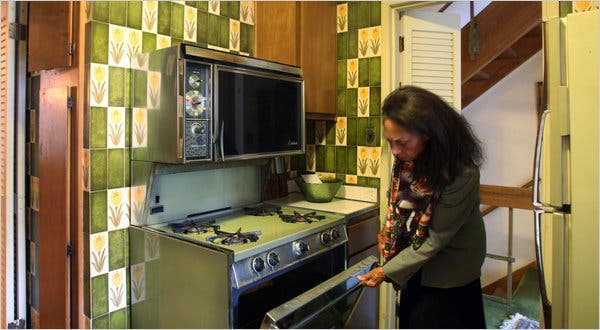
Home cooking offers control over ingredients and portion sizes, promoting healthier eating. Eating out provides convenience but often involves higher costs and calories.
Home cooking and eating out each have their benefits and drawbacks. Preparing meals at home allows you to choose fresh ingredients, control portion sizes, and tailor recipes to your dietary needs. It fosters creativity and can be a rewarding activity.
Eating out, on the other hand, offers convenience, variety, and saves time, making it a popular choice for busy individuals. Restaurants provide an opportunity to try different cuisines and enjoy social gatherings. Balancing both can lead to a healthier lifestyle and more enjoyable eating experiences. Understanding the pros and cons of each can help you make informed choices about your meals.
Nutritional Value
Understanding the nutritional value of the food we eat is vital. Home cooking and eating out differ in this regard. Let's explore these differences.
Ingredient Control
At home, you have complete control over ingredients. You can choose fresh, organic, and seasonal items. Restaurants often use processed or pre-packaged ingredients to save time. This can lead to higher sodium, sugar, and fat content.
Home cooking allows you to manage portion sizes better. You can avoid unhealthy additives like preservatives and artificial flavors. You also have the freedom to modify recipes to suit dietary restrictions.
Here is a comparison table for better understanding:
| Aspect | Home Cooking | Eating Out |
|---|---|---|
| Ingredient Quality | Fresh and Organic | Often Processed |
| Portion Control | Easy to Manage | Pre-determined |
| Additives | Minimal | High |
Nutrient Density
Home-cooked meals often have higher nutrient density. You can include a variety of vegetables, lean proteins, and whole grains. This ensures a balanced intake of vitamins, minerals, and fiber.
Eating out often involves dishes high in calories but low in nutrients. Fast food and takeout are typically rich in unhealthy fats and sugars. This can lead to poor nutritional outcomes over time.
Consider these points:
- Home cooking allows adding more vegetables and fruits.
- Restaurant meals often lack fiber and essential nutrients.
- Whole grains and lean proteins are easier to incorporate at home.
By cooking at home, you can ensure a more balanced diet. This helps maintain a healthy weight and reduces the risk of chronic diseases.

Cost Comparison
Comparing the costs between home cooking and eating out can be eye-opening. Understanding the expenses involved in both options helps make informed decisions. Let's dive into the cost comparison between these two choices.
Grocery Expenses
Shopping for groceries can be budget-friendly. Buying ingredients in bulk saves money. A home-cooked meal often costs less per serving. Here's a simple breakdown:
| Item | Cost (approx.) | Servings | Cost per Serving |
|---|---|---|---|
| Chicken Breast (1 lb) | $5.00 | 4 | $1.25 |
| Rice (1 lb) | $1.00 | 10 | $0.10 |
| Broccoli (1 lb) | $2.00 | 5 | $0.40 |
A simple meal of chicken, rice, and broccoli costs around $1.75 per serving. This shows how home cooking can stretch your budget.
Dining Out Costs
Eating out is more expensive. Restaurants need to cover various costs. These include staff wages, rent, and utilities. The prices reflect these overheads.
- Fast Food Meal: $7 - $10
- Casual Dining: $12 - $20
- Fine Dining: $30 and up
Even a basic meal at a fast-food place costs more than a home-cooked meal. The price difference grows with casual and fine dining.
Here's a comparison:
| Type | Cost per Meal |
|---|---|
| Home-Cooked Meal | $1.75 |
| Fast Food | $8.50 |
| Casual Dining | $16.00 |
| Fine Dining | $30.00 |
Clearly, home cooking offers significant savings over dining out.
Time Investment
Investing time in home cooking or eating out can impact your daily routine. Both options have their pros and cons. This section explores how time factors into each choice.
Meal Prep Time
Cooking at home requires time for meal preparation. Chopping vegetables, marinating meat, and stirring sauces can take a while. This can be a fun and engaging activity. It may also turn into a bonding moment with family or friends.
Here is a quick breakdown of typical meal prep times:
| Task | Time (minutes) |
|---|---|
| Chopping Vegetables | 10-15 |
| Marinating Meat | 15-20 |
| Cooking | 20-30 |
| Cleaning Up | 15-20 |
In total, meal prep time can range from 60 to 85 minutes. This depends on the complexity of the dish. Simple meals take less time, while gourmet dishes take more.
Restaurant Wait Time
Eating out saves you from meal prep but involves waiting. Restaurants often have waiting times. These can vary based on several factors.
Let's look at common waiting times at different types of restaurants:
| Restaurant Type | Wait Time (minutes) |
|---|---|
| Fast Food | 5-10 |
| Casual Dining | 15-30 |
| Fine Dining | 30-45 |
In total, restaurant wait time can range from 5 to 45 minutes. Busy hours can extend this time further.
Considering both options, meal prep and restaurant wait times can impact your schedule. Choose wisely based on your available time and preference.

Health Benefits
Choosing between home cooking and eating out has significant health impacts. Cooking at home offers more control over ingredients and cooking methods. Let's explore the health benefits of home cooking versus eating out.
Calorie Control
Home cooking helps you manage calorie intake better. You can measure portions accurately. Restaurants often serve larger portions, leading to overeating. Home-cooked meals allow you to use healthier cooking methods. You can bake, grill, or steam your food.
Eating out often means higher-calorie meals. Many restaurant dishes contain hidden calories. These come from oils, butter, and sauces. Eating out frequently can lead to weight gain. By cooking at home, you can avoid these extra calories.
Additive Awareness
Home-cooked meals are usually free from unnecessary additives. You can choose fresh, whole ingredients. This limits exposure to preservatives, artificial colors, and flavors.
Restaurant meals may contain many additives. These include preservatives, flavor enhancers, and artificial colors. Frequent consumption of additives can impact long-term health. Cooking at home helps you avoid these chemicals.
| Aspect | Home Cooking | Eating Out |
|---|---|---|
| Calorie Control | Better portion control, healthier cooking methods | Hidden calories, larger portions |
| Additive Awareness | Fewer additives, fresher ingredients | More preservatives, artificial colors, and flavors |
Convenience Factor
The convenience factor plays a crucial role in our daily food choices. People often weigh the ease of cooking at home against the accessibility of dining out. Each option has its unique benefits that cater to different lifestyles and schedules.
Ease Of Cooking
Home cooking offers a sense of control and customization. You can choose your ingredients and follow your preferred recipes. This allows you to make healthier choices and tailor meals to your taste.
Cooking at home can be a fun activity that engages the whole family. It provides a chance to bond and experiment with new dishes. For some, it is a relaxing and creative outlet.
However, cooking requires planning, shopping, and time. Busy schedules can make this seem overwhelming. A quick meal might not always be an option if you are short on time.
| Pros of Home Cooking | Cons of Home Cooking |
|---|---|
| Healthier choices | Time-consuming |
| Customized meals | Requires planning |
| Family bonding | Cleanup required |
Restaurant Accessibility
Eating out can save time and effort. You do not need to shop, cook, or clean. Just choose a restaurant, order, and enjoy your meal.
Restaurants offer a wide variety of cuisines. You can try different foods without the need to cook them yourself. This can be exciting and satisfying.
Many restaurants offer delivery options. This adds another layer of convenience. You can enjoy restaurant-quality food without leaving your home.
Yet, eating out frequently can be expensive. It may also lead to unhealthy choices due to limited control over ingredients.
| Pros of Eating Out | Cons of Eating Out |
|---|---|
| Time-saving | Costly |
| Variety of cuisines | Less healthy |
| No cleanup | Limited control over ingredients |
Social Aspects
The social aspects of home cooking and eating out offer unique experiences. Both have their benefits. Let's explore these through family bonding and social dining.
Family Bonding
Home cooking brings families together. Preparing a meal at home creates special moments. Everyone can participate, from chopping vegetables to setting the table.
- Shared tasks boost teamwork.
- Cooking together teaches kids valuable skills.
- Family recipes pass down traditions.
Eating together at home fosters deeper connections. Conversations flow more freely. There's no rush to leave. This creates a relaxed atmosphere.
| Home Cooking | Family Bonding Benefits |
|---|---|
| Shared Tasks | Boosts teamwork and cooperation |
| Family Recipes | Preserves cultural traditions |
| Relaxed Atmosphere | Encourages open conversation |
Social Dining
Eating out offers a different social experience. It provides a break from routine. People can enjoy new dishes and environments.
- It’s a great way to celebrate special occasions.
- Restaurants offer diverse cuisines.
- Dining out can be a social event with friends.
Eating out allows for social interactions with friends or colleagues. It can be a venue for meetings or celebrations. Restaurants often provide a vibrant atmosphere.
| Eating Out | Social Dining Benefits |
|---|---|
| Celebrations | Ideal for special events |
| Diverse Cuisines | Experience different cultures |
| Vibrant Atmosphere | Encourages lively interactions |
Environmental Impact
The choice between home cooking and eating out affects our planet. Let's explore the environmental impact of both options.
Food Waste
Food waste is a huge problem. Restaurants often throw away unused food. This increases waste.
At home, you can control portions better. You can save leftovers. This reduces food waste.
| Home Cooking | Eating Out |
|---|---|
| Less food waste | More food waste |
| Controlled portions | Uncontrolled portions |
Carbon Footprint
The carbon footprint of eating out is usually higher. Restaurants use more energy. They need to light, heat, and cool large spaces.
Cooking at home uses less energy. You only need to light and heat one room. This reduces your carbon footprint.
- Restaurants use more energy.
- Home cooking uses less energy.
- Home cooking reduces your carbon footprint.
Quality Control
Quality control is crucial in deciding between home cooking and eating out. It affects the freshness, safety, and overall enjoyment of the food. Let's explore the differences in quality control for both options.
Freshness Of Ingredients
Freshness of ingredients is a key factor in quality control. When you cook at home, you choose the ingredients. You can pick fresh vegetables, meat, and dairy products. This ensures the highest quality.
Eating out may not always guarantee the same level of freshness. Many restaurants use bulk ingredients. These may not be as fresh as those you select yourself.
Here's a quick comparison of ingredient freshness:
| Aspect | Home Cooking | Eating Out |
|---|---|---|
| Ingredient Selection | Personal choice | Restaurant's choice |
| Freshness Level | High | Varies |
| Quality Assurance | Guaranteed by you | Depends on the restaurant |
Food Safety
Food safety is another important aspect. At home, you control the cleanliness of your kitchen. You can ensure that food is cooked to safe temperatures. This reduces the risk of foodborne illnesses.
Eating out involves trusting the restaurant's hygiene practices. Not all restaurants follow strict food safety protocols. This can sometimes lead to issues.
Consider these food safety points:
- Home kitchens are cleaned to personal standards.
- Cooking temperatures are controlled by you.
- Eating out relies on restaurant hygiene.
- Foodborne illness risks are higher at some restaurants.
Variety And Creativity
Both home cooking and eating out offer unique benefits. Let's explore how each option brings variety and creativity to your meals.
Recipe Experimentation
Home cooking allows for endless recipe experimentation. You can try new ingredients and cooking techniques.
- Customize dishes to your taste.
- Experiment with international cuisines.
- Adjust recipes for dietary needs.
Cooking at home fosters creativity in the kitchen. You can create unique dishes that reflect your personality.
Menu Options
Restaurants offer a wide range of menu options. You can enjoy various cuisines without cooking.
| Home Cooking | Eating Out |
|---|---|
| Create personalized menus. | Access diverse restaurant menus. |
| Control over ingredients. | Enjoy expertly crafted dishes. |
| Cost-effective for families. | Convenient and time-saving. |
Eating out introduces new flavors and cooking styles. It is a great way to expand your culinary horizons.
Long-term Benefits
Choosing between home cooking and eating out can be tough. Understanding the long-term benefits can help you make the best choice. Home cooking offers various advantages that extend beyond just saving money. Below, we explore how it helps in skill development and habit formation.
Skill Development
Cooking at home helps you learn new skills. You get better at meal planning, grocery shopping, and budgeting. These skills are useful in daily life.
Here is a table to show the skills you can develop:
| Skill | Description |
|---|---|
| Meal Planning | Organize meals for the week |
| Grocery Shopping | Choose fresh and healthy ingredients |
| Budgeting | Spend wisely on food |
| Cooking Techniques | Learn various cooking methods |
Learning these skills can make you more self-reliant. You can cook healthy meals and save money. You also become more creative with recipes.
Habit Formation
Home cooking helps you form healthy habits. Eating home-cooked meals means you eat less processed food. This can lead to a healthier lifestyle.
Here are some habits you can form:
- Eating balanced meals
- Reducing sugar and salt intake
- Sticking to meal times
- Trying new foods
These habits can improve your overall health. They also set a good example for your family. By cooking at home, you can control what goes into your meals.
Over time, these habits become second nature. They help you live a healthier and more balanced life.

Frequently Asked Questions
Is Cooking At Home Healthier Than Eating Out?
Yes, cooking at home is generally healthier. You control ingredients, portion sizes, and cooking methods. Homemade meals often contain fewer calories, fats, and sugars.
Is It Cheaper To Eat Out Or Cook At Home For One?
Cooking at home is usually cheaper than eating out for one person. Home-cooked meals save money on ingredients and portions.
Why Home Cooking Is Much More Efficient Than Eating Out?
Home cooking is more efficient because it saves money, ensures healthier ingredients, and reduces time spent traveling.
Why Is Homemade Food Better Than Takeout?
Homemade food is healthier and more nutritious. You control ingredients, ensuring fewer preservatives and lower sodium. It's also more cost-effective and environmentally friendly.
Conclusion
Balancing home cooking and eating out depends on personal preferences and lifestyles. Cooking at home offers control over ingredients and costs. Eating out provides convenience and variety. Both have unique benefits. Consider what suits your schedule, budget, and health goals.
Make informed choices to enjoy the best of both worlds.