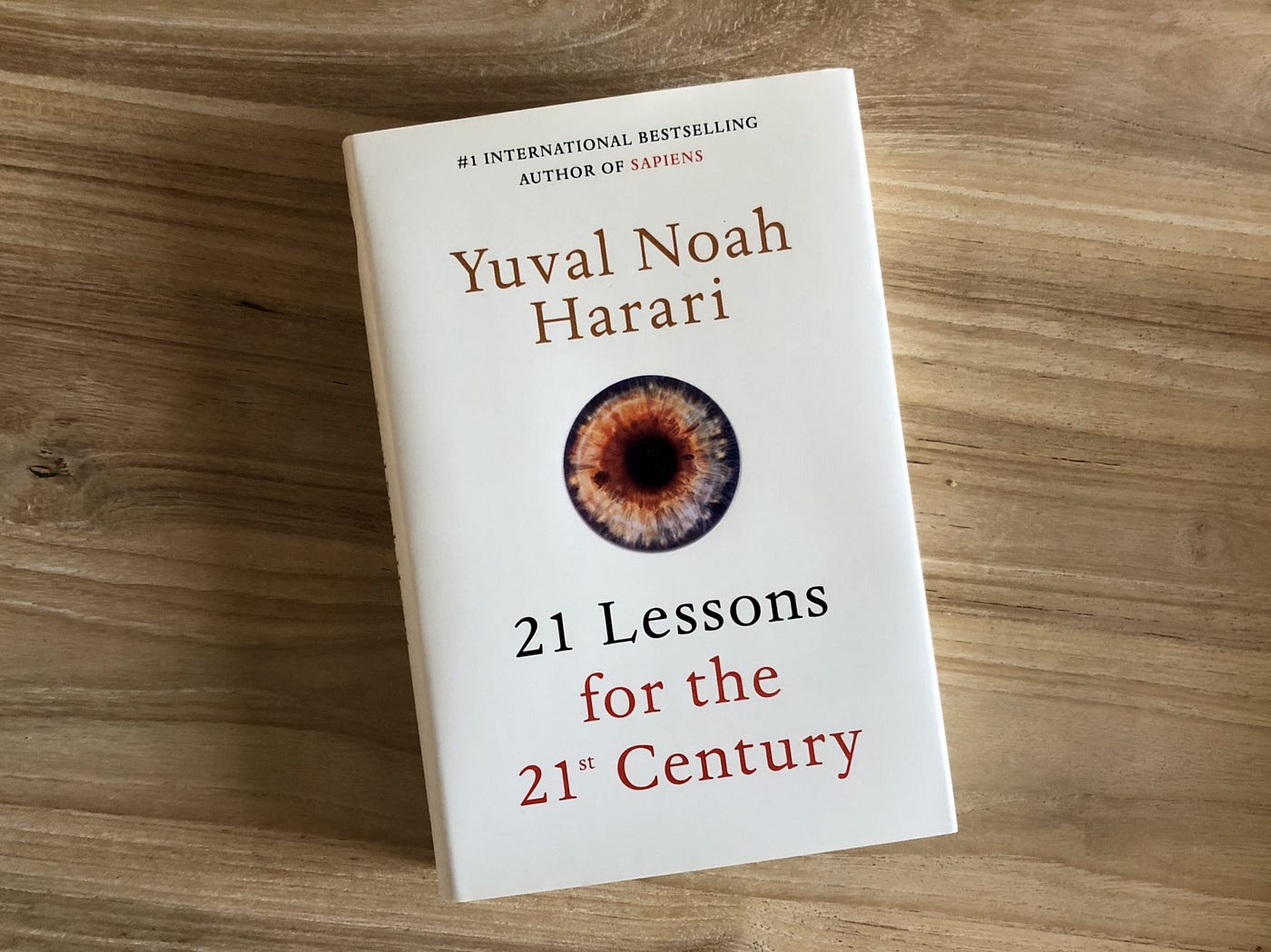
21 Lessons for the 21st Century is a book by Yuval Noah Harari. It talks about big problems we face today. The book helps readers think about the future. It covers topics like technology, politics, and society. This review will explain the main ideas in simple words.
About the Book
The book is split into five parts:
- Technological Challenge
- Political Challenge
- Despair and Hope
- Truth
- Resilience
Each part looks at important questions we face in the 21st century. Harari tries to help us understand what is happening now. He also looks ahead to what might come next.
The Core Themes Explained
Technological Challenge
Harari says technology is changing fast. Artificial intelligence (AI) and biotechnology are very powerful now. Machines can learn about humans better than humans do. This could cause big problems:
- Many jobs might disappear.
- A new class of people might become “useless” in the job market.
Because of this, Harari thinks we should teach children new skills. He calls these the “four Cs”:
| Skill | Why It Matters |
|---|---|
| Critical Thinking | To solve problems and make smart decisions. |
| Communication | To share ideas clearly with others. |
| Collaboration | To work well with different people. |
| Creativity | To come up with new ideas and solutions. |
Political Challenge
The world faces many political problems. Harari talks about how countries and leaders act. He worries about fake news and lies. These make it hard for people to know the truth.
He says we must be careful with information. We should ask questions and check facts before believing anything.
Despair And Hope
The book shows a balance between bad and good things. Yes, there are many problems. But there is also hope. People can learn, change, and improve the world.
Harari wants readers to stay strong. He says we must keep trying even when things look hard.
Truth
Harari explains that truth is very important. But truth can be tricky. Different people see things in different ways. Sometimes, stories and beliefs shape what people think is true.
He asks us to think carefully about what we believe. We should look for real facts and stay open to new ideas.
Resilience
Resilience means being strong and able to handle problems. Harari says this skill will help us survive in the future. We need to adapt to changes quickly.
Learning new skills and staying curious can make us more resilient.
Key Lessons from the Book
Here are some important lessons Harari shares:
- Adapt to change. The world is changing fast. We must change too.
- Learn how to think. Don’t just accept things. Ask questions.
- Be careful with information. Not all news is true.
- Work together. Cooperation helps solve big problems.
- Care about others. Empathy makes the world better.
- Stay hopeful. Even hard times can improve.
What People Say About the Book
The book got many different opinions. Some people liked it a lot. Others had doubts.
Positive Views
- Many readers found the book helpful for understanding today’s world.
- Some leaders and thinkers said it was a good guide for modern life.
- Readers liked how it made them think about big questions.
Criticisms
- Some readers thought the book repeated ideas from Harari’s other books.
- Others said it made guesses about the future that might not be true.
- Some tech experts said Harari did not fully understand how AI really works.

Who Should Read This Book?
If you like thinking about big ideas, this book is for you. It helps you see the world in new ways. It makes you question what you know about work, truth, and life.
But if you already read Harari’s other books, you might find some parts familiar. Still, it offers new lessons about today’s challenges.
Final Thoughts
21 Lessons for the 21st Century is a thoughtful book. It talks about the problems and chances in our time. The language is clear and ideas are simple enough for many readers.
The book can help you think about the future. It asks important questions about how we live and work. It also reminds us to stay kind, curious, and brave.
In a world full of fast changes, this book is a useful tool. It is not perfect, but it gives many ideas to explore. Reading it can make you more ready for what comes next.
Frequently Asked Questions
Is 21 Lessons Worth Reading?
Yes, *21 Lessons for the 21st Century* offers valuable insights on technology, politics, and ethics. It challenges readers to rethink modern challenges thoughtfully. The book suits those seeking big-picture thinking and practical wisdom for today’s fast-changing world.
What Is The Main Idea Of 21 Lessons For The 21st Century?
The main idea of *21 Lessons for the 21st Century* explores how technology, politics, and ethics shape our future. It urges adaptability, critical thinking, and resilience to navigate rapid global changes. Harari highlights challenges like AI, job displacement, and truth in a complex modern world.
Does Yuval Harari Believe In God?
Yuval Harari does not believe in a traditional God. He views religion as a human-made story shaping societies.
What Is The Summary Of 21 Lessons For The 21st Century?
“21 Lessons for the 21st Century” explores technology, politics, and ethics shaping our future. Harari urges adaptability and critical thinking to navigate AI, job shifts, and global challenges effectively. The book encourages reflection on meaning, truth, and resilience in a rapidly changing world.