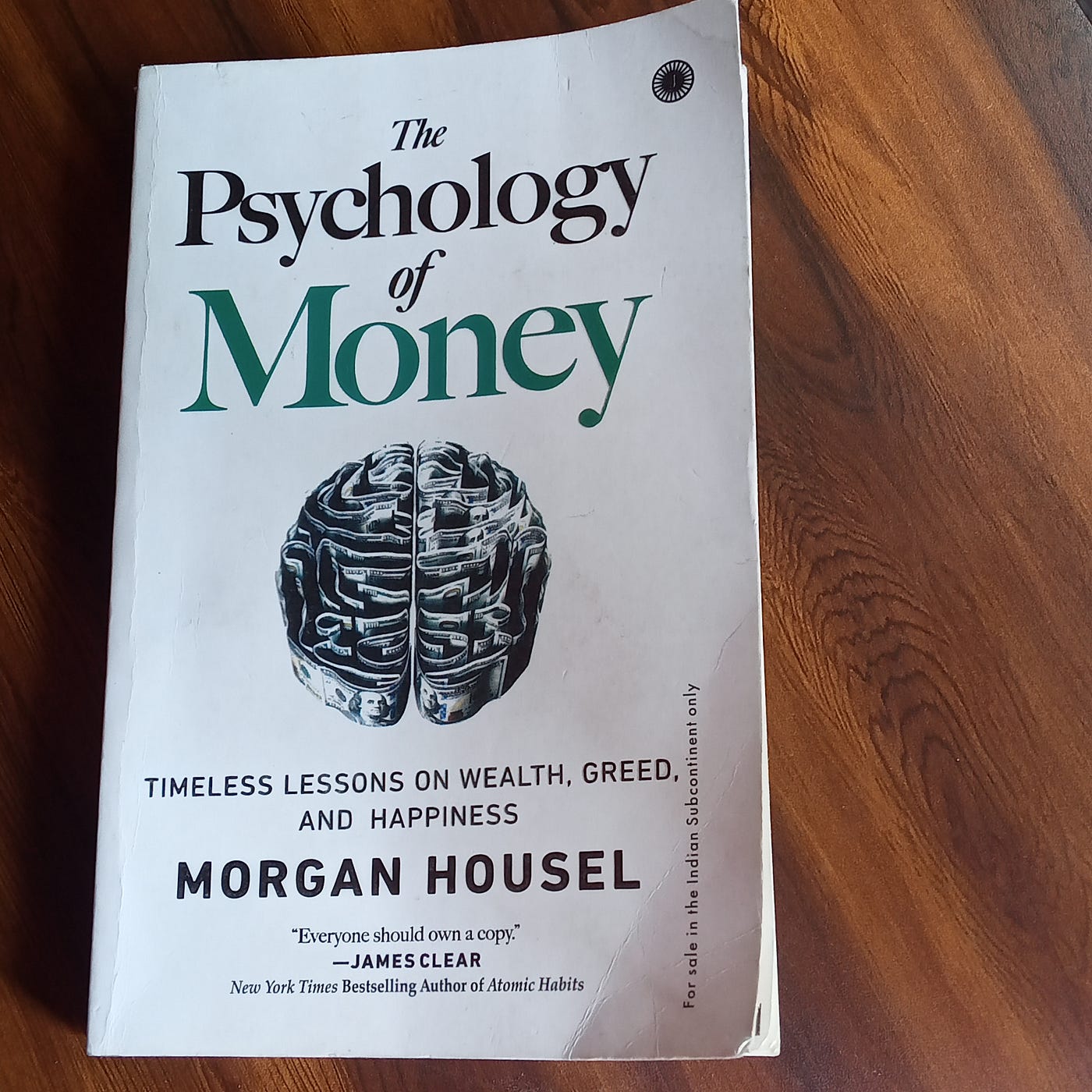
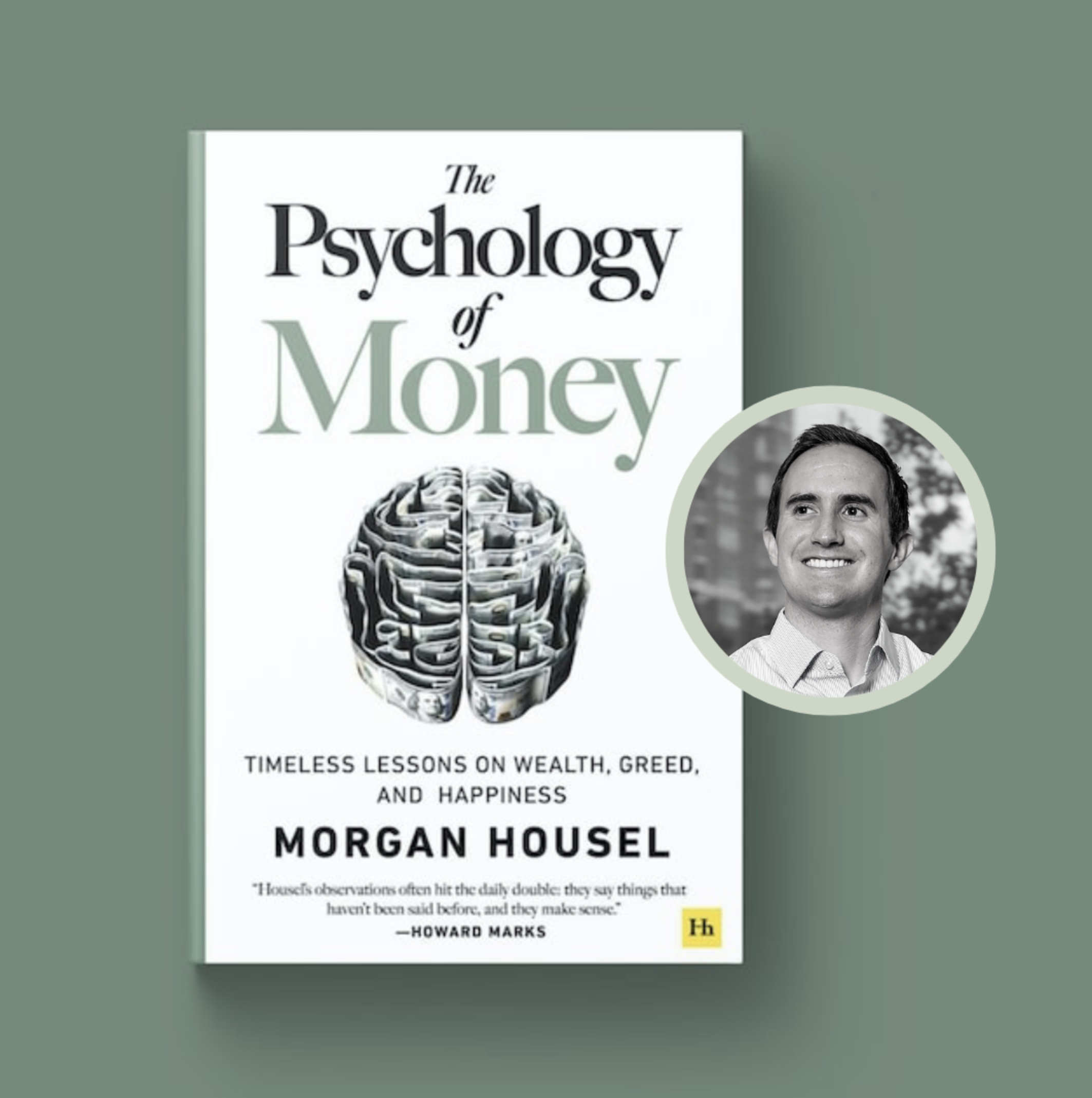
Money is important in life. But how we think about money matters more. The Psychology of Money by Morgan Housel shows this well. The book is not just about numbers or investing tricks. It talks about feelings, habits, and choices. These things shape how we handle money every day.
About the Book
Morgan Housel is a writer who knows a lot about money and people. He wrote The Psychology of Money to help readers understand money better. The book uses stories and examples from real life. It explains why people make some money mistakes and how to avoid them.
The book is easy to read. It does not use hard words or math. This makes it good for beginners or anyone who wants simple ideas.
Key Ideas From The Psychology of Money
The book talks about many ideas. Below are some of the main points:
- Money is about behavior: How you act with money is more important than how much you know.
- Luck and risk: Sometimes luck helps you, and sometimes risk can hurt you. Both are part of money life.
- Saving is powerful: Saving money regularly builds wealth over time. It does not need fancy plans.
- Time is valuable: The best use of money is to buy control over your time and freedom.
- Keep it simple: Complex investing is not always best. Simple, steady choices often work well.
- Stay humble: No one can predict the market or future perfectly. Accept some uncertainty.
- Wealth is invisible: True wealth is what you do not see, like savings or investments, not flashy spending.
Why This Book Is Popular
Many people like The Psychology of Money because it feels real. The book does not promise quick money or secret tips. It talks about habits and mindsets that help in the long run. Readers say it teaches them to think differently about money and life.
The book is also praised for its storytelling. Instead of just facts and numbers, it shares stories about people’s money choices. This helps readers understand why money can be hard or easy to manage.
Who Should Read This Book?
This book is good for many people:
- Beginners who want to learn about money simply.
- People who want to improve their saving and spending habits.
- Anyone curious about why we behave the way we do with money.
- Those who want to think about money beyond just numbers.
Even people who know a lot about finance find value in its ideas. It reminds them that money is also about emotions and choices.
What You Will Learn
Reading this book can help you:
- Understand why you make certain money decisions.
- Learn the importance of saving without a strict goal.
- See why patience matters in building wealth.
- Know that controlling your time is a key benefit of money.
- Avoid common money mistakes caused by emotions.
- Think long term rather than chasing quick gains.
Some Critiques and Mixed Views
Though many like the book, some readers have mixed opinions. Here are some points they mention:
- Lack of advanced tips: The book is more about ideas than detailed investment plans.
- Too many stories: Some feel the book relies too much on anecdotes, not enough on facts.
- Slow pace: The storytelling style may feel slow for readers wanting quick advice.
These points do not mean the book is bad. They just show it may not fit everyone’s needs. If you want technical investment steps, look for other books too.
How The Psychology of Money Helps You Think Differently
This book teaches that money is not just math. It is about how you feel and what you do. Sometimes, people make poor money choices because of fear or pride. The book shows how to be calm and thoughtful instead.
You learn to value saving and patience more than quick wins. It also explains why comparing yourself to others can harm your money habits. Real wealth is personal and quiet, not about showing off.
Summary Table: What You Gain From This Book
| Topic | What You Learn |
|---|---|
| Behavior and Money | How your actions affect your financial life |
| Saving Habits | Why saving regularly is more important than timing |
| Patience | Wealth grows slowly with steady effort |
| Risk and Luck | Understanding the role of chance in money |
| True Wealth | Wealth is what you save, not what you spend |
| Time Control | Money can buy freedom and control over your life |
Final Thoughts
The Psychology of Money is a thoughtful book about money and life. It helps readers see money from a new view. You will find ideas that build good habits and calm your mind. The book is simple but deep. It is worth reading if you want to think more clearly about money.
Remember, money is more than numbers. It is about your choices, feelings, and life goals. This book guides you to make better choices and live peacefully.
Frequently Asked Questions
Is It Worth Reading Psychology Of Money?
Yes, reading *The Psychology of Money* is worth it. It offers simple, powerful insights on money and behavior. The book teaches smart saving, investing, and long-term financial happiness through engaging stories. Beginners and experienced readers find value in its practical, mindset-focused advice.
Why Is The Psychology Of Money So Popular?
The Psychology of Money is popular for its clear, relatable stories that teach smart, patient money habits. It focuses on behavior, not complex math. Readers appreciate its practical advice on building wealth quietly through saving and long-term thinking, making finance approachable and meaningful for all.
What Are The 7 Rules Of Money?
The 7 rules of money are: spend less than you earn, save consistently, invest wisely, avoid debt, plan for emergencies, be patient, and maintain financial discipline. These principles help build lasting wealth and financial security over time.
Can A Beginner Read Psychology Of Money?
Yes, beginners can read *The Psychology of Money*. It offers simple, relatable advice on money habits and mindset. The book uses storytelling to teach financial principles, making complex ideas easy to understand. It builds a strong foundation for personal finance without requiring prior knowledge.