The Great Barrier Reef is one of the world’s most amazing natural places. It is the largest coral reef system on Earth. If you love nature, sea life, and adventure, this is the place to visit.
Where is the Great Barrier Reef?
The Great Barrier Reef is off the coast of Queensland, Australia. It stretches for over 1,400 miles along the northeast coast. The reef has thousands of coral reefs and islands. It is a home to many types of fish, turtles, and sea creatures.
How to Get There
The easiest way to visit the reef is to fly to Cairns Airport (CNS). Cairns is the main gateway city to the reef. Many tours start from here. Another option is to fly into Hamilton Island or Airlie Beach if you want to explore the Whitsundays area.
Choosing Your Base
Where you stay depends on what you want to do. Here are three popular bases for reef visitors:
- Cairns: The best place for most visitors. It has many tour boats and places to stay. It is good for families and budget travelers.
- Port Douglas: A smaller, quieter town one hour north of Cairns. It is more relaxed and a bit more upscale. It gives quick access to the Agincourt Reefs.
- The Whitsundays (Airlie Beach): Famous for sailing and island hopping. It has beautiful white beaches like Whitehaven Beach.

How to Experience the Reef
There are many ways to see and enjoy the reef. Here are the most popular options:
Snorkeling And Scuba Diving
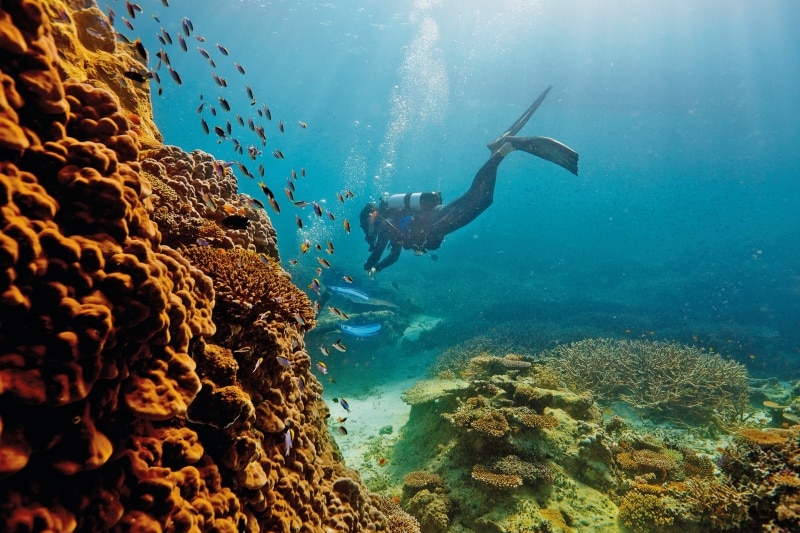
Snorkeling is a great way to see coral and fish close up. You do not need special training. For a deeper experience, scuba diving lets you explore underwater more deeply. Many tour companies offer beginner lessons.
Outer Reef Pontoons
These are large floating platforms out on the reef. They are perfect for families and people who do not want to swim in open water. The pontoons have glass-bottom boats, ocean pools, and semi-submersibles. You can see fish and coral without getting wet.
Scenic Flights And Helicopter Tours
To see the reef’s full beauty, take a scenic flight. You can see the famous Heart Reef from above. Flights leave from Cairns and the Whitsundays. It is a special way to enjoy the reef’s colors and shapes.
Ocean Walker
If you want to walk on the sea floor, try the ocean walker. You wear a special helmet and walk on the ocean bottom. This lets you see fish and coral without diving or snorkeling skills.
Best Time to Visit
The best time to visit the Great Barrier Reef is from May to October. This period has good weather, with mild temperatures and less rain. The water is clear, so you can see better underwater. It is the peak travel season, so book early.
From November to April, the reef is in the wet season. It is hotter and more humid. Also, jellyfish called “stingers” are around. You will need to wear stinger suits to protect your skin when swimming.
What to Pack for Your Trip
Here are some items to bring on your reef trip:
- Light clothes and swimwear
- Sun hat and sunglasses
- Sunscreen safe for coral reefs
- Water shoes or sandals
- Snorkeling gear (if you want your own)
- Camera or underwater camera
- Stinger suit if visiting in wet season
Important Safety Tips
Enjoy the reef, but be careful. Follow these safety tips:
- Check weather and water conditions before you go.
- Always listen to your tour guide’s instructions.
- Wear life jackets on boats and in water if needed.
- Do not touch or feed the marine life.
- Do not step on or kick coral. It is fragile.
- Use reef-safe sunscreen to protect the environment.
Respect the Reef
The Great Barrier Reef is a protected area. It is home to many animals and plants. To keep it healthy, do not do these:
- Do not feed fish or marine animals.
- Do not collect shells or coral.
- Do not leave trash behind.
- Do not anchor boats on coral.
Where to Stay Near the Reef
There are many places to stay near the reef. Here are some options:
| Location | Type | Price Range | Notes |
|---|---|---|---|
| Cairns | Hotels, Hostels, Apartments | Budget to Mid-range | Many options, close to tours |
| Port Douglas | Resorts, Hotels | Mid-range to Luxury | Quieter, good for relaxation |
| Whitsundays (Airlie Beach) | Resorts, Hostels | Mid-range | Great for sailing and beaches |
| Coral Islands | Resorts, Camping | Mid-range to Luxury | Stay on islands like Green or Fitzroy |
Popular Tours and Activities
You can join many tours to explore the reef. Here are some popular choices:
- Full-day outer reef tours by boat
- Snorkeling and scuba diving trips
- Island day trips to coral islands
- Helicopter and plane scenic flights
- Sunset cruises and sailing tours
How Many Days Should You Spend?
Plan to spend at least three days near the reef. This gives you time to:
- Take a day tour to the outer reef
- Explore nearby islands
- Relax and enjoy local towns
If you want to scuba dive or sail, add more days.
Final Tips for Your Visit
- Book tours and hotels early, especially in peak season.
- Bring a waterproof bag for your belongings.
- Stay hydrated and use sun protection.
- Try local food and meet friendly locals.
- Take your time to enjoy this natural wonder.
The Great Barrier Reef is a beautiful and special place. With the right planning, you will have a safe and fun trip. Respect nature and enjoy the amazing sea life. It will be a trip you never forget.
Frequently Asked Questions
How Many Days Are Enough For Great Barrier Reef?
Spend at least 3 to 4 days exploring the Great Barrier Reef to fully enjoy snorkeling, diving, and island tours. This duration allows time for outer reef trips and scenic flights. Booking tours in advance ensures a smooth, memorable experience during peak season.
What Is The Best Month To Visit The Great Barrier Reef?
The best month to visit the Great Barrier Reef is June. It offers mild weather, low humidity, and excellent underwater visibility.
What To Be Careful Of In Cairns?
Be cautious of strong sun exposure and jellyfish during the wet season in Cairns. Check swimming hole conditions before visiting. Avoid touching or damaging coral at the Great Barrier Reef. Stay hydrated and follow local safety advice for wildlife and weather changes.
What Not To Do At The Great Barrier Reef?
Do not touch or feed marine life to protect the ecosystem. Avoid stepping on or kicking coral reefs. Do not litter or use harmful sunscreens. Respect all safety guidelines and stay within designated areas. Preserve the reef’s natural beauty for future visitors.