Iceland is a land full of surprises. It has volcanoes, glaciers, and hot springs. You can see the Northern Lights in winter or enjoy long daylight hours in summer. This guide will help you plan your trip with easy tips and ideas.
When to Visit Iceland
The best time depends on what you want to see. Each season offers something special.
- Winter (November – March): Cold and snowy. Great for watching the Northern Lights. You can explore ice caves and snowy landscapes.
- Summer (May – August): Warm and bright. The sun stays up almost all day. Perfect for hiking and sightseeing.
- Spring and Autumn: Less crowded and mild weather. A good time to enjoy nature quietly.
Must-See Regions and Attractions
Iceland has many beautiful places. Here are the top areas you should visit.
The South Coast
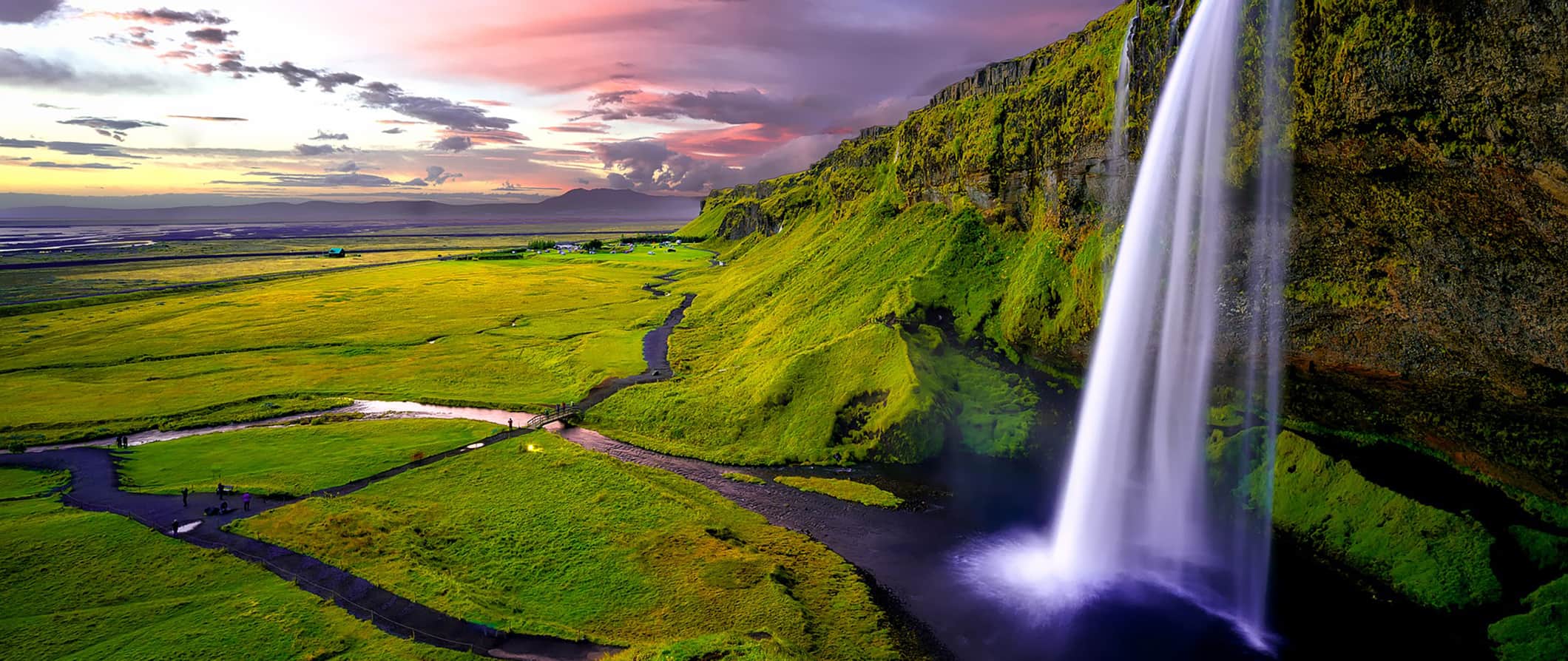
- Waterfalls: Seljalandsfoss and Skógafoss are two famous falls. You can walk behind Seljalandsfoss for a unique view.
- Black Sand Beaches: Reynisfjara beach has black sand and big basalt columns. It is a very strange and beautiful place.
- Glaciers: You can visit glaciers like Sólheimajökull and even walk on them with a guide.
The Golden Circle
- Þingvellir National Park: A historic and geological site where you can see the gap between two tectonic plates.
- Geysir: Watch hot water shoot into the air from the famous geysers.
- Gullfoss Waterfall: A huge and powerful waterfall that you can see from several viewpoints.
The North
- Akureyri: The biggest town in the north. Nice for shopping and eating.
- Lake Mývatn: A volcanic area with strange lava fields, hot springs, and bird watching.
- Húsavík: Known as the whale watching capital of Iceland.
Transportation in Iceland
Getting around Iceland is easy but needs some planning.
- Car Rental: Renting a car is the best way to see Iceland. Roads are good but be careful in winter.
- Buses: Buses run between towns but are slow and not very frequent.
- Tours: Many places offer guided tours. This is good if you do not want to drive.
Road Safety Tips
- Always check weather before driving.
- Do not drive off-road. It is illegal and can damage nature.
- Use local parking apps like “Parker” in cities.
Money and Costs
Iceland uses the Icelandic krona (ISK). Most places accept credit and debit cards. You do not need cash.
- Tap water is very clean and safe. No need to buy bottled water.
- Food and hotels can be expensive. Plan your budget carefully.
- Try local supermarkets for affordable meals.
What to Pack
Packing depends on the season. Here are some ideas.
- Winter: Warm clothes, waterproof jacket, gloves, hat, and good boots.
- Summer: Layers of clothes, rain jacket, and comfortable shoes.
- All Year: Swimwear for hot springs and a camera for amazing photos.
Tips for Travelers
- Respect nature. Do not leave trash behind.
- Follow local rules and signs carefully.
- Learn a few Icelandic words like “Takk” (Thank you).
- Try local food like lamb, fish, and skyr (a type of yogurt).
- Book tours and accommodations early in summer.
Interesting Experiences
Iceland has unique things to do beyond sightseeing.
- Hot Springs: Relax in natural pools like the Blue Lagoon or secret lagoons.
- Volcano Tours: Visit volcanic craters and lava fields.
- Midnight Sun: In summer, the sun does not set. Perfect for late-night adventures.
- Wildlife Watching: See puffins, whales, seals, and many birds.
How Many Days to Spend in Iceland?
Time needed depends on your interests.
| Trip Length | What You Can See |
|---|---|
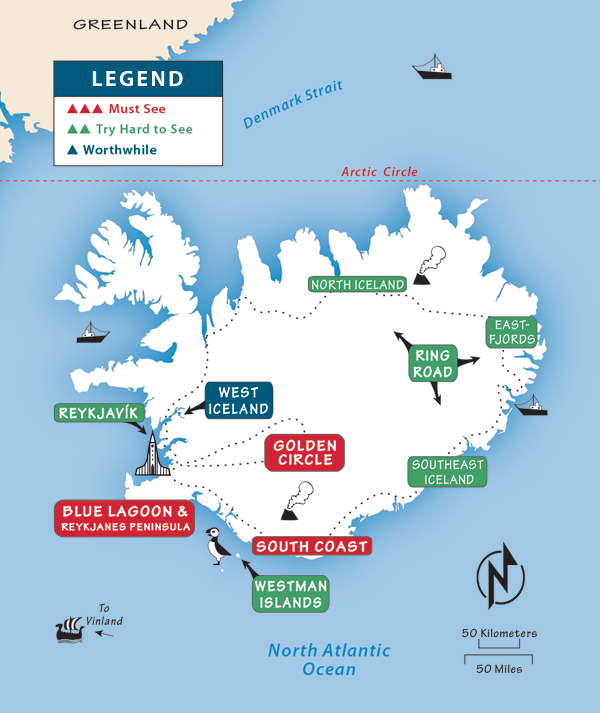
| 3-4 Days | Golden Circle and Reykjavik city. |
| 7 Days | South Coast, Golden Circle, Reykjavik, and some North. |
| 10+ Days | Drive the whole ring road around Iceland. |
Useful Websites for Planning
- Official Visit Iceland – Info on attractions and travel tips.
- Guide to Iceland – Tours and travel ideas.
Frequently Asked Questions
What’s The Best Month To Travel To Iceland?
The best month to travel to Iceland is July. It offers mild weather, long daylight, and accessible attractions. For Northern Lights, visit between November and March.
Do And Don’ts In Iceland?
Do respect nature and stay on marked trails to protect fragile landscapes. Don’t drive off-road or disturb wildlife. Do use credit cards, as cash is rarely needed. Don’t litter or smoke in public areas. Do follow local safety advice, especially around geothermal sites and roads.
How Many Days Is Enough For An Iceland Trip?
A 5-7 day trip is ideal to explore Iceland’s top attractions like waterfalls, glaciers, and volcanic landscapes. This duration allows time for both the Golden Circle and South Coast tours. Extend your stay for Northern Lights or deep interior adventures.
Do They Accept Us Dollars In Iceland?
Iceland primarily uses the Icelandic króna (ISK). US dollars are not widely accepted. Credit and debit cards work everywhere. Always carry local currency or a card for seamless transactions.
Conclusion
Iceland offers incredible sights and experiences. From waterfalls to glaciers, it is a place for adventure. Plan your trip well to enjoy every moment. Remember to respect nature and local customs. Iceland will leave you with memories for a lifetime.