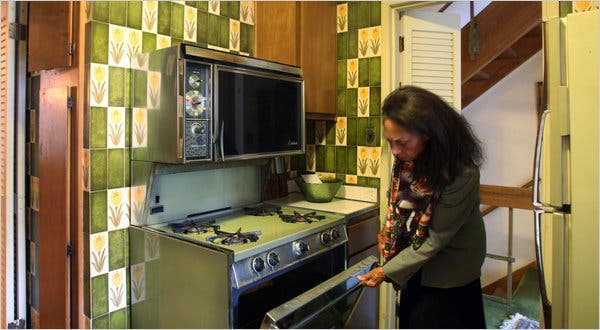
To get your home kitchen certified, contact your local health department and comply with their regulations. Submit an application and pass an inspection.
Certifying your home kitchen can open doors to launching a successful food business. Many entrepreneurs start their culinary ventures from home, but ensuring your kitchen meets health and safety standards is crucial. Local health departments provide specific guidelines you must follow to achieve certification.
These regulations often include cleanliness standards, proper food storage, and equipment requirements. By adhering to these rules, you can create a safe environment for food preparation. Certification not only legitimizes your business but also builds trust with customers. The process may seem daunting, but with proper preparation, you can smoothly navigate the requirements and start your culinary journey confidently.
Understanding Local Regulations
To get your home kitchen certified, it's essential to understand local regulations. Every state and county has specific requirements. Following these rules ensures your kitchen meets health and safety standards.
Researching State Requirements
Start by researching the specific requirements for your state. This information is usually available on state government websites. Key points to look for include:
- Licensing requirements
- Health and safety standards
- Permitted food items
Some states may have stricter rules than others. Ensure you understand all the necessary details. You can also find useful guides and resources online to help you navigate these requirements.
Contacting the Local Health Department
After understanding state requirements, contact your local health department. They will provide detailed information on local regulations. Key steps include:
- Requesting a copy of the local health codes
- Scheduling an inspection of your kitchen
- Asking about any specific certifications needed
Local health departments often offer workshops or training sessions. These can be very helpful. Make sure to attend them if available. This ensures you meet all local health and safety standards.
| Step | Description |
|---|---|
| Step 1 | Research State Requirements |
| Step 2 | Contact the Local Health Department |
By following these steps, you can get your home kitchen certified. Understanding local regulations is key to this process.
Preparing Your Kitchen
Getting your home kitchen certified can seem like a big task. But with the right steps, it can be easy. This guide will help you get started.
Sanitation Standards
Sanitation is key for a certified kitchen. Follow these tips:
- Keep surfaces clean and free from clutter.
- Use food-safe cleaning products.
- Wash your hands before handling food.
- Store food at the right temperature.
- Label and date all food items.
Set up a cleaning schedule. This will help keep your kitchen in top shape. Regularly check for pests and address any issues quickly.
Necessary Equipment
Having the right equipment is crucial. Here's a list of what you may need:
| Equipment | Purpose |
|---|---|
| Commercial-grade refrigerator | Keep food at safe temperatures. |
| Food thermometer | Check the temperature of food. |
| Stainless steel counters | Easy to clean and sanitize. |
| Handwashing sink | For proper hand hygiene. |
Make sure all equipment is in good condition. Replace any broken items. Keep a checklist of your equipment. This helps you stay organized.
Food Safety Training
Food safety training is essential for getting your home kitchen certified. This training helps you learn proper food handling and hygiene practices. It ensures that the food you prepare is safe to eat.
Obtaining Certification
To obtain certification, you need to complete a food safety course. These courses cover various topics like food contamination, storage, and cleanliness.
- Register for a recognized food safety course.
- Complete all required modules and assessments.
- Receive your food safety certification upon passing the course.
Available Courses
There are many available courses for food safety training. Some popular options include online courses and in-person classes. Here are a few options:
| Course Provider | Course Type | Duration |
|---|---|---|
| ServSafe | Online/In-Person | 8-10 hours |
| Food Handler | Online | 2-4 hours |
| Local Health Department | In-Person | Varies |
Choose a course that suits your schedule and learning style. Make sure the course is accredited and recognized by local health authorities.

Creating A Food Safety Plan
Creating a Food Safety Plan is crucial for getting your home kitchen certified. This plan ensures that your kitchen meets all health and safety standards. It involves analyzing potential hazards and identifying critical control points in the cooking process.
Hazard Analysis
A thorough hazard analysis identifies potential dangers in your kitchen. These hazards can be biological, chemical, or physical.
- Biological Hazards: Bacteria, viruses, and parasites in food.
- Chemical Hazards: Cleaning agents or pesticides.
- Physical Hazards: Glass, metal, or plastic fragments.
Each hazard needs a specific strategy to reduce its risk.
Critical Control Points
Critical Control Points (CCPs) are steps where hazards can be prevented or reduced. For example, cooking food to the right temperature kills bacteria.
- Identify CCPs in your cooking process.
- Set limits for each CCP.
- Monitor these limits regularly.
Use a table to track your CCPs:
| Step | Hazard | Control Measure | Limit | Monitoring |
|---|---|---|---|---|
| Cooking | Biological | Heat | 165°F | Temperature Check |
| Storage | Biological | Refrigeration | 40°F | Temperature Log |
Following these steps ensures your kitchen is safe and ready for certification.
Scheduling An Inspection
Getting your home kitchen certified is essential for any food business. One crucial step in this process is scheduling an inspection. This ensures your kitchen meets safety and health standards. Let's explore how to prepare for this inspection and what criteria to expect.
Preparing For Inspection
Preparation is key to a successful kitchen inspection. Begin by cleaning your kitchen thoroughly. Ensure all surfaces are spotless and sanitized. Check that your equipment is in good working order.
Next, organize your food storage. Label all items clearly and ensure perishable items are stored at the correct temperatures. Have a system in place for tracking expiration dates.
Finally, review local health department guidelines. Make sure you understand what will be inspected. This will help you address any potential issues beforehand.
Common Inspection Criteria
Inspectors will look for compliance with several criteria. Below are some common areas they focus on:
- Cleanliness: All surfaces and equipment must be clean and sanitized.
- Food Storage: Proper labeling and temperature control are essential.
- Pest Control: Your kitchen should be free from pests and have preventive measures in place.
- Personal Hygiene: Ensure that anyone handling food is following hygiene protocols.
- Equipment Maintenance: All kitchen equipment should be in good working condition.
Meeting these criteria will help you pass the inspection and get your kitchen certified.

Post-inspection Steps
After an inspection, there are steps to follow to get your kitchen certified. It's crucial to address any violations and maintain high standards.
Addressing Violations
If the inspection finds violations, you must fix them quickly. Here are some common steps:
- Review the Report: Understand each violation listed.
- Prioritize Fixes: Address the most critical issues first.
- Document Changes: Keep records of all corrections made.
- Seek Guidance: Consult with a health inspector for clarity.
Remember to re-inspect after making changes. This ensures that all violations have been addressed.
Maintaining Standards
Maintaining standards in your kitchen is an ongoing process. Here are some tips to help:
- Regular Cleaning: Keep all surfaces and equipment clean.
- Proper Storage: Store food items at safe temperatures.
- Employee Training: Train staff on hygiene and safety practices.
- Routine Inspections: Conduct self-inspections regularly.
Use a checklist for daily tasks. This helps ensure consistency in maintaining standards. An example checklist might include:
| Task | Frequency |
|---|---|
| Sanitize Surfaces | Daily |
| Check Temperatures | Twice Daily |
| Stock Rotation | Weekly |
By following these steps, you ensure your kitchen stays compliant and safe.
Marketing Your Certified Kitchen
Getting your home kitchen certified is a big achievement. Now, it’s time to spread the word. Effective marketing helps you reach more clients and build trust.
Promoting Certification
First, let’s talk about promoting your certification. Make sure to highlight it everywhere. Use your website, social media, and business cards. This shows your commitment to quality and safety.
Here are some ways to promote your certification:
- Display the certification badge on your website.
- Share a post about your certification on social media.
- Include the certification in your email signature.
Creating a strong online presence is vital. Use SEO-friendly keywords like "certified home kitchen" and "safe food preparation". This helps potential clients find you easily.
Building Client Trust
Next, focus on building client trust. Certification alone is not enough. You need to show clients why it matters.
Here are some tips to build trust:
- Share testimonials from satisfied clients.
- Offer a behind-the-scenes look at your kitchen.
- Provide transparent information about your certification process.
Transparency is key. Explain the steps you took to get certified. This reassures clients about your dedication to safety and quality.
Frequently Asked Questions
Do I Need A Permit To Sell Food From Home In Texas?
Yes, you need a permit to sell food from home in Texas. Obtain a Cottage Food Production Operation permit. Ensure compliance with the Texas Cottage Food Law for safety and regulations.
What Is The Penalty For Selling Food Without A License In Texas?
Selling food without a license in Texas can result in fines up to $500 per day. Repeat offenses may lead to higher penalties or criminal charges. Always ensure proper licensing to avoid legal issues.
How Much Does A Cottage Food License Cost In Texas?
In Texas, a cottage food license costs nothing. No fees are required to start a cottage food business.
Can You Sell Barbecue From Your Home In Texas?
Yes, you can sell barbecue from your home in Texas. You must comply with local health and zoning regulations. Obtain necessary permits and ensure your kitchen meets health standards. Always check with local authorities for specific requirements.
Conclusion
Achieving home kitchen certification is a rewarding process. Follow the steps outlined to meet health and safety standards. Ensure your kitchen complies with local regulations. Regular inspections and proper documentation are crucial. Certification boosts your credibility and opens doors to new opportunities.
Make your culinary dreams a reality by maintaining a certified kitchen.