The best way to sharpen home kitchen knives is by using a whetstone or a knife sharpening system. These tools provide precise control and effective results.
Sharp kitchen knives are essential for safe and efficient cooking. Dull blades can slip and cause accidents, while sharp knives ensure clean cuts and ease of use. A whetstone or a knife-sharpening system offers the most reliable method to achieve razor-sharp edges.
These tools are designed to cater to various blade types and sharpening needs. Using them correctly can prolong the life of your knives and enhance your cooking experience. Regular maintenance with these tools will keep your kitchen knives in top condition, making meal prep quicker and safer.
Choosing The Right Sharpening Tool
Choosing the right sharpening tool can make a big difference. It affects the sharpness and longevity of your kitchen knives. This section will guide you through various options.
Whetstones
Whetstones are traditional and effective. They provide a precise sharpening experience.
- High Control: You have full control over the sharpening angle.
- Versatile: Suitable for different types of knives.
- Durable: Lasts for years with proper care.
Whetstones come in different grit sizes. A lower grit number removes more material. A higher grit number polishes the edge. You need both for a sharp, polished blade. Ensure to soak your whetstone in water before using.
Electric sharpeners are fast and convenient. They are ideal for busy kitchens.
| Feature | Benefit |
|---|---|
| Speed: | Sharpens knives quickly. |
| Ease of Use: | Simple operation with minimal effort. |
| Consistency: | Provides a consistent sharpening angle. |
Electric sharpeners have abrasive wheels inside. They grind the knife edge as you pull it through. Be cautious with thin blades. Electric sharpeners can remove too much material.
Manual sharpeners are user-friendly and affordable. They are perfect for occasional sharpening.
- Portable: Easy to store and carry.
- Simple: Operates without electricity.
- Affordable: Budget-friendly option.
Manual sharpeners usually have two slots. One slot for coarse sharpening and one for fine polishing. They are less aggressive than electric sharpeners. This makes them safer for delicate blades.

Preparing Your Knife
Before sharpening your kitchen knives, preparing them is crucial. Start by cleaning the blade and securing the knife properly. These steps ensure the sharpening process is safe and effective.
Cleaning The Blade
Start by cleaning your knife blade. Use warm water and dish soap. This removes any food residue or grime. Clean blades sharpen better and last longer. Dry the blade with a clean towel afterward.
Avoid soaking wooden handles in water. It can damage the handle. Focus on the blade itself during cleaning.
Securing The Knife
Securing the knife is vital for safety. Use a knife holder or clamp. This keeps the knife steady while sharpening. Never hold the knife in your hand while sharpening.
Place the knife on a flat, stable surface. Ensure the blade edge is accessible. Properly secured knives prevent accidents and ensure even sharpening.
| Step | Action | Reason |
|---|---|---|
| 1 | Clean the blade | Removes residue for effective sharpening |
| 2 | Dry the blade | Prevents rust and ensures safety |
| 3 | Secure the knife | Prevents accidents and ensures even sharpening |
Follow these steps to prepare your knife properly. This sets the stage for sharpening success. Your knife will cut like new again!
Using A Whetstone
Sharpening your kitchen knives with a whetstone is a time-honored method. This method ensures a razor-sharp edge for precise cutting. Below are the steps to use a whetstone effectively.
Soaking The Stone
Before you start, soak the whetstone in water. This helps create a slurry for sharpening. Submerge the stone for 10-15 minutes.
- Fill a bowl with water.
- Place the whetstone in the bowl.
- Wait until bubbles stop rising.
Once soaked, place the stone on a non-slip surface. A damp towel works well.
Setting The Angle
To sharpen properly, you need the correct angle. A 20-degree angle works for most kitchen knives.
- Hold the knife at a 20-degree angle.
- Use a guide if you need help.
- Maintain this angle throughout sharpening.
Consistency in angle ensures a uniform edge.
Sharpening Technique
Now, you can start sharpening the knife. Use smooth and even strokes.
| Step | Description |
|---|---|
| 1 | Place the knife at the correct angle. |
| 2 | Slide the knife across the stone. |
| 3 | Use moderate pressure. |
| 4 | Repeat on the other side. |
Repeat the process 5-10 times on each side. Check the sharpness by slicing a piece of paper.
Remember to rinse the knife and whetstone after sharpening. This removes any residue and keeps your tools in good condition.
Electric Sharpeners
Electric sharpeners provide a quick and efficient way to sharpen home kitchen knives. These devices are user-friendly and deliver consistent results. Understanding how to use them correctly is key to maintaining a sharp edge on your knives.
Selecting The Mode
Electric sharpeners come with multiple sharpening modes. Each mode serves a different purpose:
- Coarse Mode: Ideal for very dull or damaged knives.
- Medium Mode: Perfect for regular maintenance and sharpening.
- Fine Mode: Polishes and hones the knife to a razor-sharp edge.
Choose the appropriate mode based on the condition of your knife.
Proper Usage
Using an electric sharpener is straightforward. Follow these steps:
- Place the electric sharpener on a stable surface.
- Turn on the device and select the appropriate mode.
- Insert the knife blade into the designated slot.
- Pull the knife through the slot smoothly and steadily.
- Repeat the process 3-4 times per side for even sharpening.
Ensure consistent pressure and speed for the best results.
Safety Tips
Always prioritize safety while using electric sharpeners:
- Keep fingers away from the sharpening slots.
- Do not use wet or oily knives in the sharpener.
- Unplug the sharpener when not in use.
- Store the sharpener out of reach of children.
Following these tips will prevent accidents and ensure safe operation.
Manual Sharpeners
Manual sharpeners offer an easy way to keep your kitchen knives sharp. They are user-friendly and provide great results. In this section, we'll explore different types of manual sharpeners and guide you through the sharpening process.
Types Of Manual Sharpeners
Manual sharpeners come in various forms, each with unique features. Here are some popular types:
| Type | Description |
|---|---|
| Pull-Through Sharpeners | These sharpeners have slots for different blade angles. Simply pull the knife through the slots. |
| Whetstones | Whetstones offer precision sharpening. They come in various grit sizes for different levels of sharpness. |
| Sharpening Rods | Also known as honing rods. They maintain the edge of the knife between sharpening sessions. |
Step-by-step Guide
Sharpening your knife manually is easy. Follow these simple steps:
- Choose the right sharpener: Select a sharpener that suits your knife type.
- Secure the sharpener: Place the sharpener on a stable surface.
- Angle the blade: Hold the knife at the correct angle, usually 15-20 degrees.
- Begin sharpening: Pull or slide the blade through the sharpener with gentle pressure.
- Check the edge: After a few passes, check the knife edge for sharpness.
- Repeat if necessary: Continue until the blade is sharp enough for your needs.
- Clean the knife: Wipe the blade to remove any metal filings.
Manual sharpeners are effective tools for maintaining sharp kitchen knives. With the right technique, you can achieve professional-level sharpness at home.
Honing Vs. Sharpening
Keeping your kitchen knives in top shape is important. Honing and sharpening are two different methods. Each serves a distinct purpose. Knowing when to use each can save you time and effort.
Differences
Honing and sharpening are not the same. Honing straightens the edge of the knife. Sharpening removes material to create a new edge.
| Honing | Sharpening |
|---|---|
| Realigns the blade | Grinds to form a new edge |
| Done with a honing rod | Done with a sharpening stone or tool |
| Quick and easy | Takes more time |
When To Hone
Hone your knife every few uses. It keeps the blade straight. Honing does not remove material. Use a honing rod for best results.
- Before cutting vegetables
- Before slicing meat
- Weekly maintenance
When To Sharpen
Sharpen your knife when it becomes dull. This is usually every few months. Use a sharpening stone or electric sharpener.
- Test the knife on paper
- If it tears, not cuts, it's dull
- Sharpen to restore the edge
Maintaining Sharpness
Maintaining sharpness is crucial for your kitchen knives. Sharp knives make cooking safer and more efficient. Here are some simple ways to keep your knives sharp.
Regular Honing
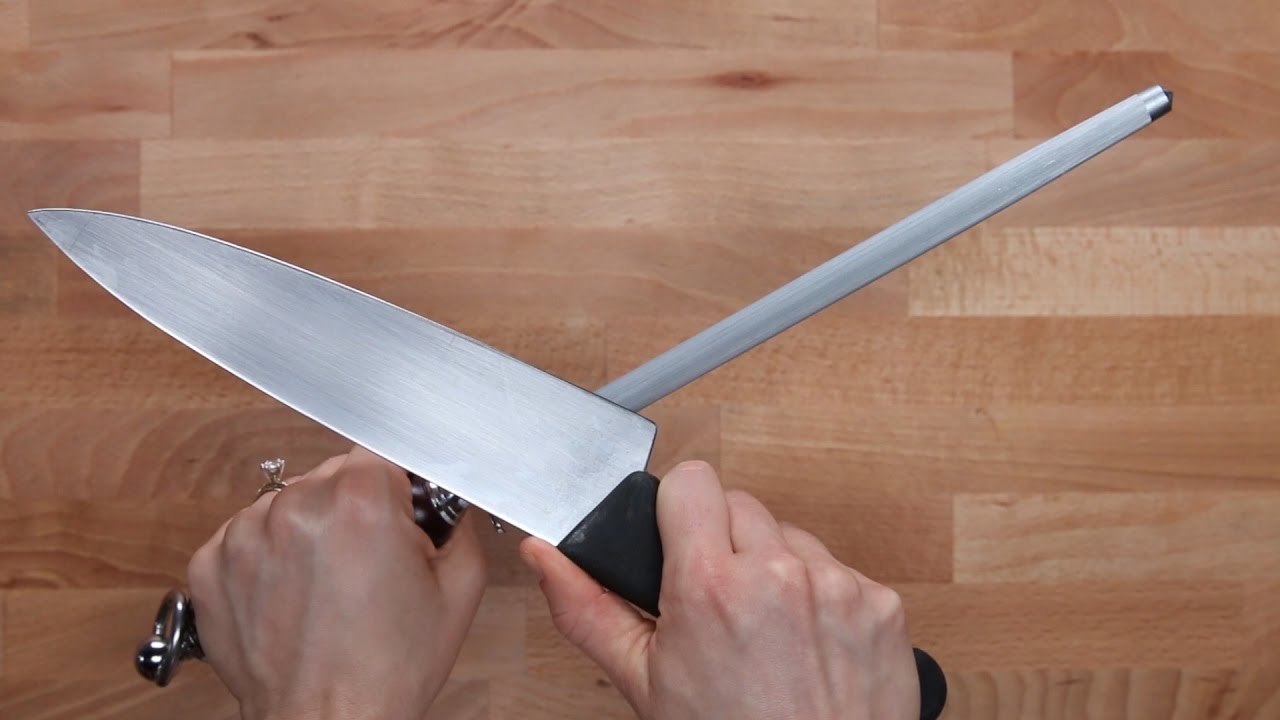
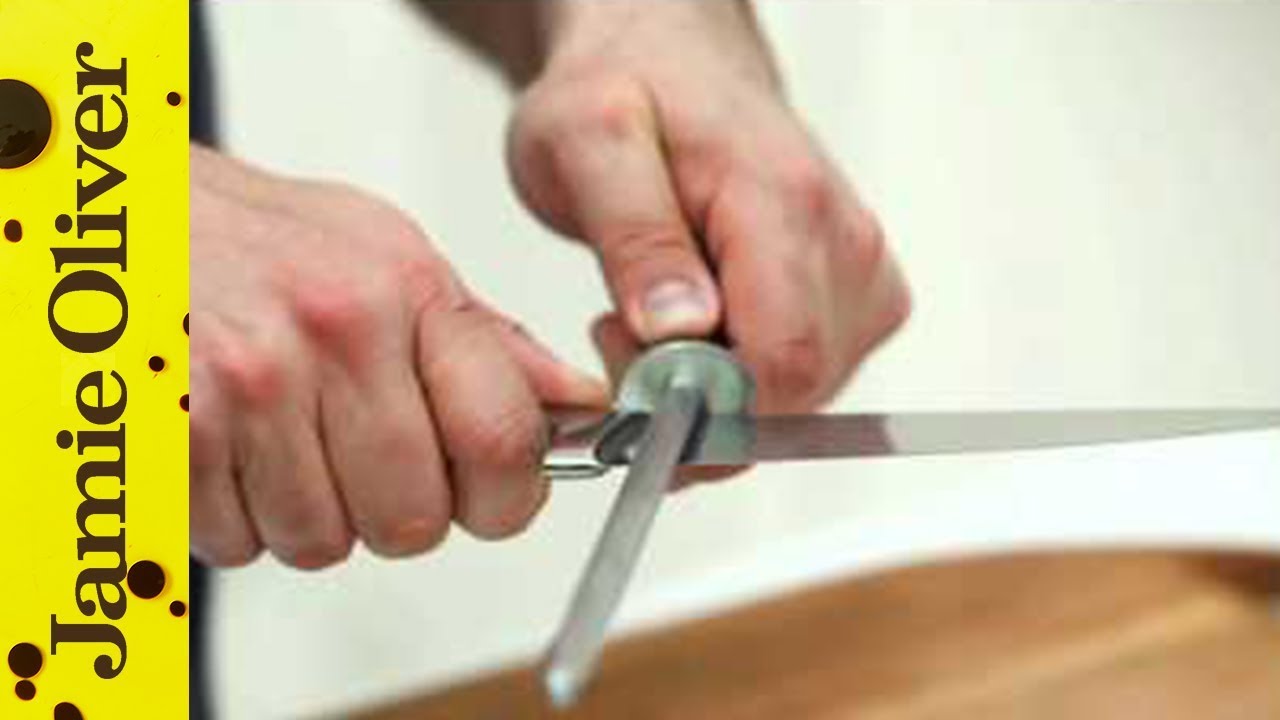
Regular honing keeps the knife's edge aligned. Use a honing rod for this purpose. Follow these steps for effective honing:
- Hold the honing rod vertically with the tip on a stable surface.
- Place the knife against the rod at a 20-degree angle.
- Slide the knife down the rod, moving from the heel to the tip.
- Repeat on the other side of the blade.
- Perform this action 5-10 times on each side.
Proper Storage
Proper storage prevents damage to the knife blade. Store your knives in a way that protects the edge. Here are some storage options:
| Storage Option | Benefits |
|---|---|
| Magnetic Strip | Keeps knives accessible and visible. |
| Knife Block | Offers safe and convenient storage. |
| Drawer Insert | Protects blades and saves counter space. |
Avoiding Damage
Avoiding damage is key to maintaining sharpness. Here are some tips:
- Avoid cutting on hard surfaces like glass or stone.
- Use a wooden or plastic cutting board.
- Do not use knives to open cans or cut hard items.
- Hand-wash knives immediately after use and dry them completely.
Following these tips will help your kitchen knives stay sharp and efficient.
Expert Tips
Sharpening kitchen knives can feel tricky. With the right tips, you can master it. Follow these expert tips to get razor-sharp blades easily.
Common Mistakes
Many people make mistakes when sharpening knives. Avoid these to save time and effort:
- Using too much pressure
- Wrong sharpening angle
- Skipping the honing process
- Not using a proper sharpening tool
Ensure you address these mistakes. It will enhance your sharpening skills quickly.
Pro Techniques
Master these pro techniques for the best results:
- Hold the knife at a 20-degree angle
- Use gentle strokes to avoid damaging the blade
- Alternate sides of the blade for even sharpening
- Finish with a honing rod to align the edge
Practice these techniques regularly. They ensure your knives stay sharp and efficient.
Recommended Products
Choosing the right tools is crucial. Here are some recommended products:
| Product | Description |
|---|---|
| Whetstone | A versatile tool for precise sharpening. |
| Electric Sharpener | Convenient and quick for busy kitchens. |
| Honing Rod | Keeps the blade edge aligned. |
| Sharpening Steel | Great for daily maintenance. |
Frequently Asked Questions
What Is The Best Method To Sharpen Kitchen Knives?
Use a whetstone for the best results. Soak the stone, then slide the knife at a 20-degree angle. Repeat until sharp.
What Do Most Chefs Use To Sharpen Knives?
Most chefs use a whetstone to sharpen knives. It provides a precise edge and maintains blade quality. Some also use honing rods for regular maintenance.
How Do You Professionally Sharpen A Knife At Home?
To professionally sharpen a knife at home, use a whetstone. Soak the whetstone in water. Hold the knife at a 20-degree angle. Glide the blade across the stone evenly. Repeat on the other side. Finish with a honing rod to refine the edge.
What Does Gordon Ramsay Use To Sharpen His Knives?
Gordon Ramsay sharpens his knives using a whetstone. He recommends a two-sided stone with coarse and fine grit for the best results.
Conclusion
A sharp knife is essential for efficient cooking. Using proper techniques and tools ensures your kitchen knives stay sharp. Remember to regularly maintain your knives to enhance their longevity. Happy cooking with your newly sharpened kitchen knives!