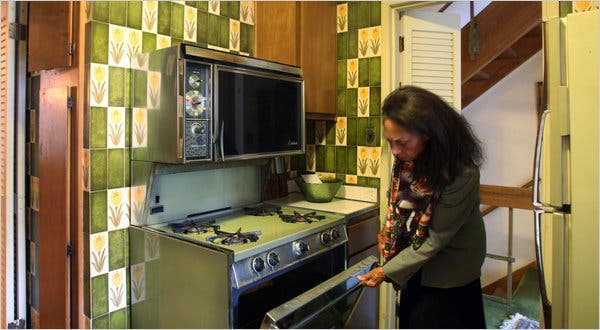
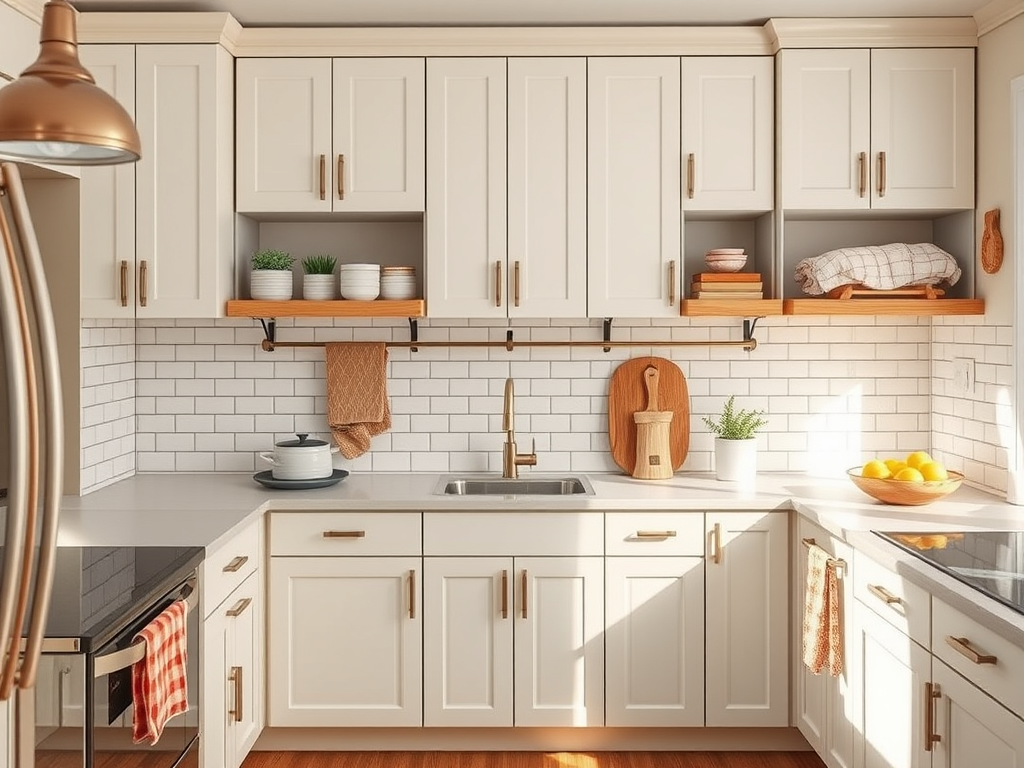
Kitchens generally need replacing every 10 to 15 years. This depends on wear and tear, as well as changing styles.
Kitchens are the heart of many homes, serving as spaces for cooking, dining, and socializing. Regular updates ensure functionality and aesthetics remain top-notch. Over time, appliances age, cabinetry wears out, and design trends evolve, prompting homeowners to consider a kitchen overhaul.
This not only enhances the kitchen’s efficiency but also adds value to the property. A well-planned kitchen renovation can significantly improve daily life and the home's appeal. Homeowners should assess their kitchen's condition and style periodically. Doing so helps in making informed decisions about when to invest in a new kitchen, keeping it modern and practical.

Kitchen Lifespan Factors
How long a kitchen lasts depends on various factors. Understanding these can help you plan better. Two important factors are material quality and usage frequency.
Material Quality
The quality of materials affects the kitchen lifespan. High-quality materials last longer.
- Cabinets: Solid wood cabinets last 20-30 years. Particleboard cabinets last 10-15 years.
- Countertops: Granite and quartz countertops last 20-25 years. Laminate countertops last 10-15 years.
- Floors: Tile and stone floors last 30-50 years. Vinyl floors last 10-20 years.
Usage Frequency
How often you use your kitchen also matters. A busy kitchen wears out faster.
- Daily Use: Kitchens used daily need replacing sooner. Heavy cooking causes more wear and tear.
- Occasional Use: Kitchens used occasionally last longer. Less frequent use means less damage.
| Component | High-Quality Lifespan | Low-Quality Lifespan |
|---|---|---|
| Cabinets | 20-30 years | 10-15 years |
| Countertops | 20-25 years | 10-15 years |
| Floors | 30-50 years | 10-20 years |
Signs Of Wear And Tear
Kitchens experience daily use. Over time, they show signs of aging. Recognizing these signs helps you decide if a kitchen replacement is due.
Cabinet Deterioration
Cabinets are a vital part of your kitchen. Look for these signs:
- Peeling or chipping paint: Paint that peels or chips indicates wear.
- Water damage: Swollen or warped cabinets suggest water exposure.
- Loose hinges or handles: Hardware that frequently comes loose shows age.
- Sticking drawers: Drawers that stick or don't slide well need attention.
Countertop Damage
Countertops face daily wear. Signs of damage include:
- Cracks or chips: Visible cracks or chips reduce functionality.
- Stains: Persistent stains indicate deep wear.
- Burn marks: Burn marks can be unsightly and unsafe.
- Separation: Countertops separating from cabinets show structural issues.
Modernizing Your Kitchen
Modernizing your kitchen can breathe new life into your home. It can enhance functionality and boost energy efficiency. Regular updates keep the space fresh and aligned with current trends.
Incorporating New Trends
Incorporating new trends makes your kitchen look stylish. Consider these popular design elements:
- Open shelving: Display your dishes and cookware beautifully.
- Smart technology: Install smart ovens and fridges for convenience.
- Bold colors: Use vibrant hues to add personality to your space.
- Natural materials: Choose wood and stone for a warm, earthy feel.
Energy-efficient Appliances
Energy-efficient appliances are a smart choice for any kitchen. They help save on utility bills and reduce your carbon footprint. Here are some benefits:
| Appliance | Benefit |
|---|---|
| Refrigerators | Use less electricity, keeping your food fresh longer. |
| Dishwashers | Save water and energy with each cycle. |
| Ovens | Cook food more efficiently, saving you time and energy. |
Choose energy-efficient models with the Energy Star label. These appliances meet strict guidelines set by the government.
Budget Considerations
Planning to replace your kitchen can be exciting yet daunting. Budget considerations are crucial. This section will help you understand the costs involved. Knowing the expenses helps you plan better and avoid surprises.
Cost Of Materials
The cost of materials can vary widely. Here are some factors to consider:
- Cabinets: Prices range from $100 to $1,200 per linear foot.
- Countertops: Granite and quartz cost between $50 to $200 per square foot.
- Flooring: Tile and hardwood range from $3 to $15 per square foot.
- Appliances: High-end appliances can cost from $1,000 to $5,000 each.
Choosing high-quality materials increases costs but ensures longevity. Select materials that fit your budget and style.
Labor Expenses
Labor expenses are another significant cost factor. Consider these points:
- Installation: Professional installation fees range from $50 to $100 per hour.
- Plumbing: Hiring a plumber costs around $45 to $200 per hour.
- Electrical Work: Electricians charge between $50 to $100 per hour.
- Permits: Necessary permits can add $200 to $500 to your budget.
Labor costs depend on the complexity of the project. Simple updates require less labor than complete remodels.
| Item | Cost Range |
|---|---|
| Cabinets | $100 - $1,200 per linear foot |
| Countertops | $50 - $200 per square foot |
| Flooring | $3 - $15 per square foot |
| Appliances | $1,000 - $5,000 each |
| Installation | $50 - $100 per hour |
| Plumbing | $45 - $200 per hour |
| Electrical Work | $50 - $100 per hour |
| Permits | $200 - $500 |
Diy Vs. Professional Renovation
Deciding between a DIY and a professional kitchen renovation is a tough choice. Both options come with their own set of benefits and drawbacks. This section will explore these aspects to help you make an informed decision.
Pros And Cons
Choosing between DIY and professional renovation can be challenging. Below is a table that outlines the key pros and cons of each option.
| Option | Pros | Cons |
|---|---|---|
| DIY Renovation |
|
|
| Professional Renovation |
|
|
Safety Concerns
Safety should be a top priority in any kitchen renovation.
DIY Renovation:
- Risk of injury from tools
- Possible electrical hazards
- Improper installation can lead to accidents
Professional Renovation:
- Licensed professionals follow safety codes
- Insurance covers any mishaps
- Proper handling of hazardous materials
Both DIY and professional renovations have their unique advantages and challenges. Weighing the pros and cons can help you decide the best approach for your kitchen renovation.
Maximizing Kitchen Longevity
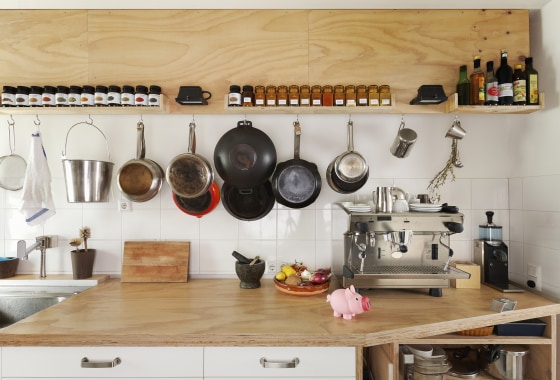
Ensuring your kitchen stands the test of time involves more than just quality materials. Regular care and protective measures play a vital role. By understanding how to maintain and protect your kitchen, you can significantly extend its lifespan.
Regular Maintenance
Regular maintenance is key to a long-lasting kitchen. Follow these simple steps to keep your kitchen in top shape:
- Clean surfaces daily to prevent grime buildup.
- Inspect appliances monthly for wear and tear.
- Check for leaks under sinks and faucets quarterly.
- Tighten loose handles and knobs as needed.
By staying consistent with these tasks, you can avoid costly repairs and replacements.
Protective Measures
Protective measures can prevent damage and extend your kitchen's life. Consider the following:
| Protective Measure | Benefit |
|---|---|
| Use cutting boards | Prevents scratches on countertops. |
| Install splash guards | Protects walls from water damage. |
| Apply sealants | Preserves countertops and tiles. |
| Use cabinet liners | Prevents spills from damaging shelves. |
These simple protective measures can make a significant difference in your kitchen's longevity.
Environmental Impact
Replacing a kitchen can have a significant environmental impact. It's essential to consider how kitchen renovations affect the planet. From material choices to waste management, every decision counts.
Sustainable Materials
Choosing sustainable materials reduces the environmental footprint of your kitchen. Opt for recycled or eco-friendly products. These materials often last longer and are safer for your home.
- Bamboo: Rapidly renewable and durable.
- Recycled glass: Stylish and environmentally friendly.
- Reclaimed wood: Adds character and is sustainable.
Using sustainable materials also supports eco-friendly industries. It encourages more companies to adopt green practices.
Waste Reduction
Waste reduction is crucial during kitchen replacement. Proper planning can minimize waste.
- Donate or sell old cabinets and appliances.
- Recycle materials wherever possible.
- Use a waste management company that focuses on recycling.
Consider a modular kitchen design. It allows for easy upgrades without replacing everything. This approach saves materials and reduces waste.
| Action | Environmental Benefit |
|---|---|
| Donate old items | Reduces landfill waste |
| Recycle materials | Conserves natural resources |
| Use modular designs | Minimizes future waste |
By focusing on sustainable materials and waste reduction, you can make your kitchen replacement more eco-friendly. Every small step helps the environment.
Expert Tips For Kitchen Upkeep
Maintaining a kitchen involves more than just cooking. Regular upkeep ensures longevity and aesthetics. Follow these expert tips to keep your kitchen in top shape.
Cleaning Practices
Clean your kitchen daily. Wipe countertops, stove, and sink after each use. This prevents the buildup of grime and bacteria.
- Use mild soap and water for regular cleaning.
- Avoid abrasive cleaners that can damage surfaces.
- Clean spills immediately to avoid stains.
Deep cleaning is necessary once a month. This includes scrubbing tiles, cleaning inside cabinets, and degreasing the stove hood.
- Empty and clean the refrigerator.
- Sanitize cutting boards and other utensils.
- Descale the coffee maker and kettle.
Periodic Inspections
Conduct periodic inspections to catch issues early. Check for leaks, mold, and wear and tear.
| Inspection Area | Frequency |
|---|---|
| Pipes and Plumbing | Every 6 months |
| Cabinets and Drawers | Quarterly |
| Appliances | Yearly |
Inspect seals around sinks and counters. Replace worn-out seals to prevent water damage.
Check electrical outlets and appliances. Ensure they function properly and are safe to use.
Frequently Asked Questions
What Is The Average Lifespan Of A Kitchen?
The average lifespan of a kitchen ranges from 10 to 15 years. Proper maintenance can extend its life. Regular updates to appliances and finishes keep it functional and stylish.
How Often Does A Kitchen Need To Be Updated?
Update your kitchen every 10-15 years to keep it modern and functional. Trends and technology evolve, necessitating upgrades.
When Should A Kitchen Be Replaced?
Replace a kitchen every 10-15 years. Frequent repairs, outdated style, or poor functionality also signal it's time for a new kitchen.
How Often Do People Renovate Their Kitchen?
People typically renovate their kitchen every 10 to 15 years. Trends, wear and tear, and personal preferences influence this cycle. Regular updates can maintain functionality and style.
Conclusion
Kitchens usually need replacing every 15 to 20 years. Regular maintenance can extend this lifespan. Investing in quality materials also helps. Remember, a well-maintained kitchen boosts home value. Consider your lifestyle and needs before deciding. Plan wisely for a kitchen that stands the test of time.